
Digital Dharmic Discourse: How Social Media Is Shaping Modern Hinduism
Introduction
Hinduism, one of the world’s oldest and most diverse religions, is experiencing a profound transformation in the digital age. The advent of social media platforms has created new channels for religious expression, communication, and community-building, influencing the way modern Hindus engage with their faith.
Online Pilgrimages and Rituals
Social media has enabled Hindus to participate in religious rituals and ceremonies from the comfort of their homes. Live streaming of temple ceremonies, virtual pilgrimages to sacred sites, and online pujas (worship rituals) have become popular ways to connect with the divine.
Dissemination of Religious Knowledge
Social media platforms are proving to be invaluable sources of religious knowledge and wisdom. Hindu scholars, priests, and devotees share articles, videos, and podcasts on a wide range of topics, from ancient scriptures to contemporary interpretations of Hinduism. This accessibility has fostered greater understanding and engagement among the Hindu faithful.
Community Building
Social media has facilitated the creation of vibrant online communities where Hindus can connect with each other regardless of geographical boundaries. Groups dedicated to specific deities, philosophical discussions, and social service initiatives bring together individuals with shared interests and values.
Interfaith Dialogue and Collaboration
Social media has also become a platform for interfaith dialogue and collaboration. Hindu organizations and individuals use social media to engage with followers of other religions, fostering a spirit of understanding and cooperation.
Challenges
While social media offers immense opportunities for Hindu religious expression, it also presents certain challenges:
- Misinformation and Hate Speech: Social media can be a breeding ground for misinformation and hate speech targeting Hindus. This can undermine faith and create division within the community.
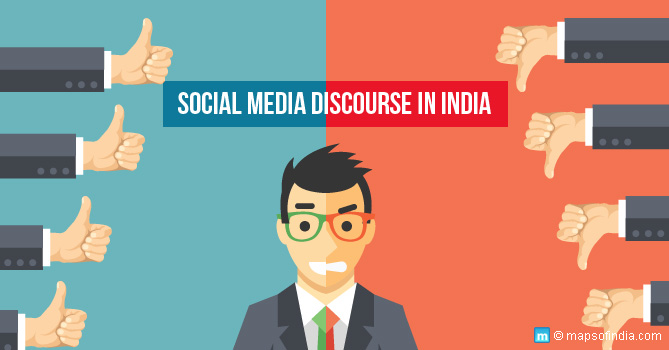
- Filter Bubbles and Polarization: Algorithms used by social media platforms can create filter bubbles, exposing users to only information that aligns with their existing beliefs. This can lead to polarization and a lack of critical engagement with different perspectives.
- Data Privacy Concerns: The collection and use of personal data by social media companies raise concerns about privacy and the potential misuse of information for commercial or political purposes.
Conclusion
Social media is a powerful force that is shaping the practice of Hinduism in the 21st century. While it offers numerous opportunities for religious expression, community-building, and knowledge dissemination, it also poses challenges that must be navigated with care. By embracing the potential of social media while addressing its limitations, modern Hindus can create a vibrant and inclusive online presence that strengthens their faith and contributes to a more connected and harmonious world.## Digital Dharmic Discourse: How Social Media Is Shaping Modern Hinduism
Executive Summary
Social media has profoundly impacted modern Hinduism, transforming religious practices, beliefs, and community dynamics. This comprehensive article analyzes the multifaceted influence of social media on Hinduism, shedding light on its transformative power and the evolving nature of religious expression in the digital age.
Introduction
In the contemporary world, social media platforms like Facebook, Instagram, and Twitter have become pervasive forces, profoundly shaping various aspects of our lives. The realm of religion is no exception, and Hinduism, one of the world’s oldest and most diverse religions, has embraced social media in myriad ways. From virtual pilgrimages to online satsangs, social media has become an integral part of modern Hindu religious practices.
FAQs
1. How has social media influenced the practice of Hinduism?
Social media has facilitated religious practices such as virtual pilgrimages, online worship, and live-streamed satsangs. It has also enabled individuals to connect with gurus and religious leaders from around the world, fostering a sense of global community.
2. What impact has social media had on Hindu beliefs and teachings?
Social media platforms have become a forum for disseminating Hindu scriptures, teachings, and interpretations. However, they have also raised concerns about the spread of misinformation and the distortion of religious texts.
3. How has social media affected Hindu community dynamics?
Social media has both strengthened and fragmented Hindu communities. It has fostered connections among Hindus across geographical boundaries, but it has also created echo chambers and polarized views on religious matters.
Subtopics
1. Virtual Pilgrimages and Religious Tourism
- Virtual Pilgrimage: Social media platforms have enabled Hindus to virtually visit sacred sites like Kashi and Haridwar, offering a convenient and accessible way to fulfill religious obligations.
- Online Religious Tourism: Social media has promoted religious tourism by showcasing pilgrimage destinations, sharing travel experiences, and facilitating online bookings.
- Digital Darshan: Live-streaming of religious ceremonies and rituals has allowed Hindus to witness and participate in religious events from afar.
- Virtual Aarti and Puja: Social media platforms have enabled individuals to engage in virtual aarti and puja ceremonies, fostering a sense of collective worship.
2. Online Satsangs and Spiritual Communities
- Virtual Satsangs: Social media platforms have become a popular medium for hosting virtual satsangs, where gurus and religious teachers deliver spiritual discourses and conduct online Q&A sessions.
- Online Spiritual Communities: Social media groups and forums have facilitated the formation of online spiritual communities, providing a space for discussions, sharing of experiences, and collective learning.
- Live-Streamed Yoga and Meditation: Social media platforms have enabled the live-streaming of yoga and meditation classes, making these practices more accessible to a wider audience.
- Digital Dharma Talks: Gurus and religious leaders use social media to deliver dharma talks, sharing their insights on religious texts, philosophical concepts, and ethical living.
3. Religious Education and Dissemination of Knowledge
- Digital Libraries: Social media platforms have become digital libraries for Hindu scriptures, commentaries, and religious teachings, providing easy access to religious knowledge.
- Online Courses and Webinars: Educators and religious institutions use social media to offer online courses and webinars on Hindu philosophy, history, and culture.
- Translation and Interpretation: Social media has facilitated the translation and interpretation of religious texts, making them accessible to a wider global audience.
- Critical Discourse: Social media has also become a platform for critical discourse on religious beliefs and practices, fostering debate and intellectual engagement.
4. Hindu Nationalism and Political Activism
- Political Mobilization: Social media has been used to mobilize Hindu nationalists, facilitating communication, coordination, and the spread of political messages.
- Cow Protection and Hindutva: Social media has become a battleground for debates on cow protection and Hindu nationalism, leading to polarization and online activism.
- Secularism and Religious Pluralism: Some social media users advocate for secularism and religious pluralism, challenging the dominance of Hindu nationalism.
- Online Hate Speech: Social media platforms have also been used to spread hate speech and incite violence against religious minorities, raising concerns about the potential for social unrest.
5. Identity Formation and Social Representation
- Hindu Identity in the Diaspora: Social media has played a vital role in shaping Hindu identity in the diaspora, enabling Hindus outside of India to connect with their cultural and religious roots.
- Intersectionality and Religious Expression: Social media has provided a platform for marginalized voices within Hinduism, fostering discussions on gender, caste, and LGBTQ+ issues.
- Online Conversion and Religious Hybridity: Social media has facilitated online conversion and the blending of religious practices, leading to the emergence of new religious identities.
- Self-Representation and Minority Voices: Social media has empowered Hindu individuals and minority groups to represent themselves and challenge dominant narratives about Hinduism.
Conclusion
The impact of social media on modern Hinduism is multifaceted and far-reaching. It has transformed religious practices, beliefs, and community dynamics, shaping the way Hindus engage with their faith in the digital age. While social media offers immense potential for religious expression and community building, it also presents challenges related to misinformation, polarization, and the spread of hate speech. As the digital landscape continues to evolve, it is essential to navigate these challenges thoughtfully and harness the transformative power of social media for the benefit of all Hindus.
Keywords
- Social Media
- Hinduism
- Digital Dharmic Discourse
- Virtual Pilgrimages
- Online Satsangs