Unlocking the Secrets of Karma: Your Guide to Understanding the Law of Cause and Effect in Hinduism
Introduction

Karma, a Sanskrit word meaning “action,” is a fundamental concept in Hinduism that governs the cycle of cause and effect. It dictates that every action, whether physical or mental, has consequences that shape our present and future lives. This comprehensive guide will delve into the intricacies of karma, providing insights into its nature, workings, and implications for personal growth and spiritual evolution.
Understanding the Nature of Karma
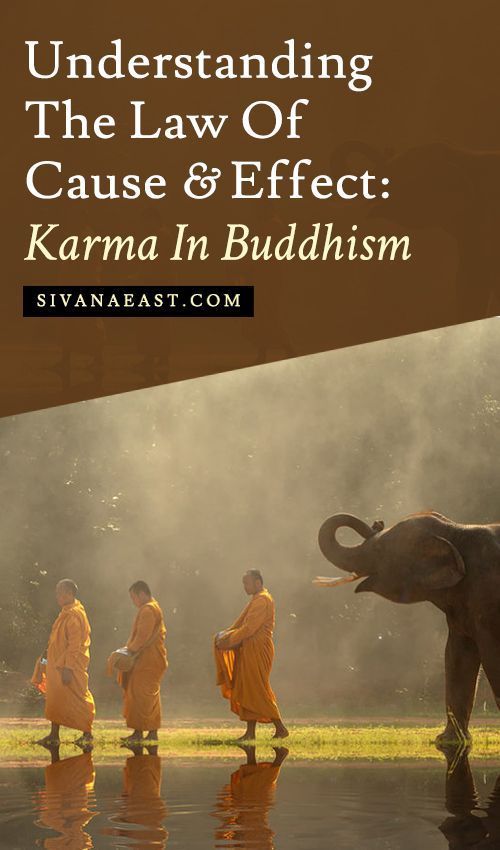
- The Law of Cause and Effect: Karma is based on the principle of cause and effect, known as the Law of Dharma. Every action, no matter how small, sets in motion a chain of consequences that shape our experiences.
- Intention and Action: Karma is not merely about the physical actions themselves but also the intention and motivation behind them. Virtuous intentions lead to positive karma, while malicious ones result in negative karma.
- Sanchita, Prarabdha, and Kriyamana Karma: Karma is classified into three types: Sanchita (accumulated karma from past lives), Prarabdha (karma that is currently being experienced), and Kriyamana (karma being created in the present moment).
The Wheel of Karma
Karma is often represented as a wheel, with each spoke symbolizing a different aspect of life, such as health, wealth, relationships, and spirituality. The wheel spins continuously, driven by our actions, and our experiences at any given time are determined by the karma we have accumulated.
- Good Karma (Sukarma): Positive actions and virtuous intentions lead to good karma, which brings positive experiences, blessings, and opportunities.
- Bad Karma (Dukarma): Negative actions and malicious intentions result in bad karma, which manifests as challenges, struggles, and suffering.
Balancing and Transcending Karma
- The Role of Dharma: Karma is closely intertwined with Dharma, the righteous path that guides our actions. By adhering to Dharma, we can mitigate the negative effects of past karma and accumulate positive karma.
- Yoga and Meditation: Practices such as yoga and meditation help us purify our minds and intentions, leading to a reduction in the creation of negative karma.
- Service and Compassion: Acts of selfless service and compassion can help balance past negative karma and create a virtuous cycle.
- Surrendering to the Divine: By surrendering to the Divine and accepting our karma as a part of the cosmic plan, we can transcend the limitations of karma and achieve spiritual liberation.
Implications for Personal Growth
понимание the law of karma can empower us to take responsibility for our actions and shape our destiny. It teaches us the importance of:
- Thoughtful Decision-Making: Being mindful of our thoughts, words, and actions, as they all contribute to our karma.
- Cultivating Virtues: Developing virtues such as compassion, forgiveness, and truthfulness to create a positive karma cycle.
- Learning from Mistakes: Viewing challenges as opportunities for growth and spiritual evolution, understanding that they are the result of past karma.
- Living in the Present: Focusing on the present moment and making conscious choices that align with our Dharma, rather than dwelling on past actions or worrying about the future.
Conclusion
Karma is an essential concept in Hinduism that provides a framework for understanding our actions and their consequences. By understanding its nature, workings, and implications, we can harness its power for personal growth, spiritual evolution, and the creation of a more harmonious and just world. Remember, the journey of karma is an ongoing one, and our actions today will shape our experiences tomorrow and beyond.## Unlocking the Secrets of Karma: Your Guide to Understanding the Law of Cause and Effect in Hinduism
Executive Summary
Karma, a fundamental principle in Hinduism, holds that every action, thought, and intention has consequences. Understanding its complex workings empowers us to navigate life’s challenges, cultivate virtues, and strive for spiritual growth. This comprehensive guide delves into the intricacies of karma, revealing its transformative power and guiding us towards a fulfilling and compassionate existence.
Introduction
Hinduism teaches that the universe is governed by an immutable law of cause and effect. Karma, the Sanskrit word for “deed,” encompasses not only physical actions but also mental processes, emotions, and intentions. Every karmic act, positive or negative, imprints an energy upon the soul, shaping our destiny and future experiences.
FAQs
Q: What is the purpose of karma?
A: Karma provides a framework for understanding the consequences of our actions, encouraging ethical conduct and personal growth.
Q: Can karma be changed?
A: While past karma may influence our present, we have the power to transform our future actions and mitigate negative consequences through conscious choices.
Q: How does karma manifest in our lives?
A: Karma can manifest in countless ways, including material wealth, health, relationships, and spiritual experiences.
Subtopics
The Three Types of Karma
- Sanchita Karma: Accumulated karma from past lives, shaping our present circumstances.
- Prarabdha Karma: That portion of Sanchita Karma that we are currently experiencing and can be modified through conscious actions.
- Kriyamana Karma: Actions and intentions in the present moment that shape our future.
The Law of Karma in Action
- Physical Actions: Physical deeds have tangible consequences, positive or negative.
- Speech: Words carry weight, influencing others and shaping our own well-being.
- Thoughts: Even unspoken thoughts have energetic imprints that affect our karma.
- Mental Intentions: Our motivations and desires shape the nature of our karmic actions.
- Emotional Reactions: Emotions can amplify or mitigate the impact of karma.
Consequences and Redemption
- Positive Karma: Virtuous actions accumulate positive karma, leading to favorable experiences and spiritual progress.
- Negative Karma: Unwholesome actions create negative karma, resulting in challenges and obstacles.
- Redemption: Through repentance, acts of compassion, and spiritual practices, we can mitigate negative karma and work towards liberation.
Karma and Reincarnation
- Death as a Reset: Upon physical death, our soul carries the karmic balance into subsequent lives.
- Rebirth: The cycle of birth, death, and rebirth is a journey to exhaust karma and attain spiritual liberation.
- Breaking the Cycle: Through spiritual realization and selfless service, we can transcend the limitations of karma and achieve liberation (Moksha).
Free Will and Responsibility
- Personal Agency: We are endowed with free will and the power to choose our actions.
- Karmic Responsibility: We are accountable for the consequences of our choices and must strive for righteous conduct.
- Non-Attachment to Outcomes: Understanding karma teaches us to detach from specific outcomes and focus on the morality of our actions.
Conclusion
Karma is a profound and transformative concept that empowers us to take ownership of our lives and cultivate virtues. By embracing the principles of karma, we can break free from the limitations of our past actions, navigate the complexities of the present, and create a fulfilling and compassionate future. Understanding karma is a journey of self-discovery and spiritual growth, leading us towards enlightenment and liberation.
Keyword Tags
- Karma
- Hinduism
- Law of Cause and Effect
- Reincarnation
- Spiritual Growth