
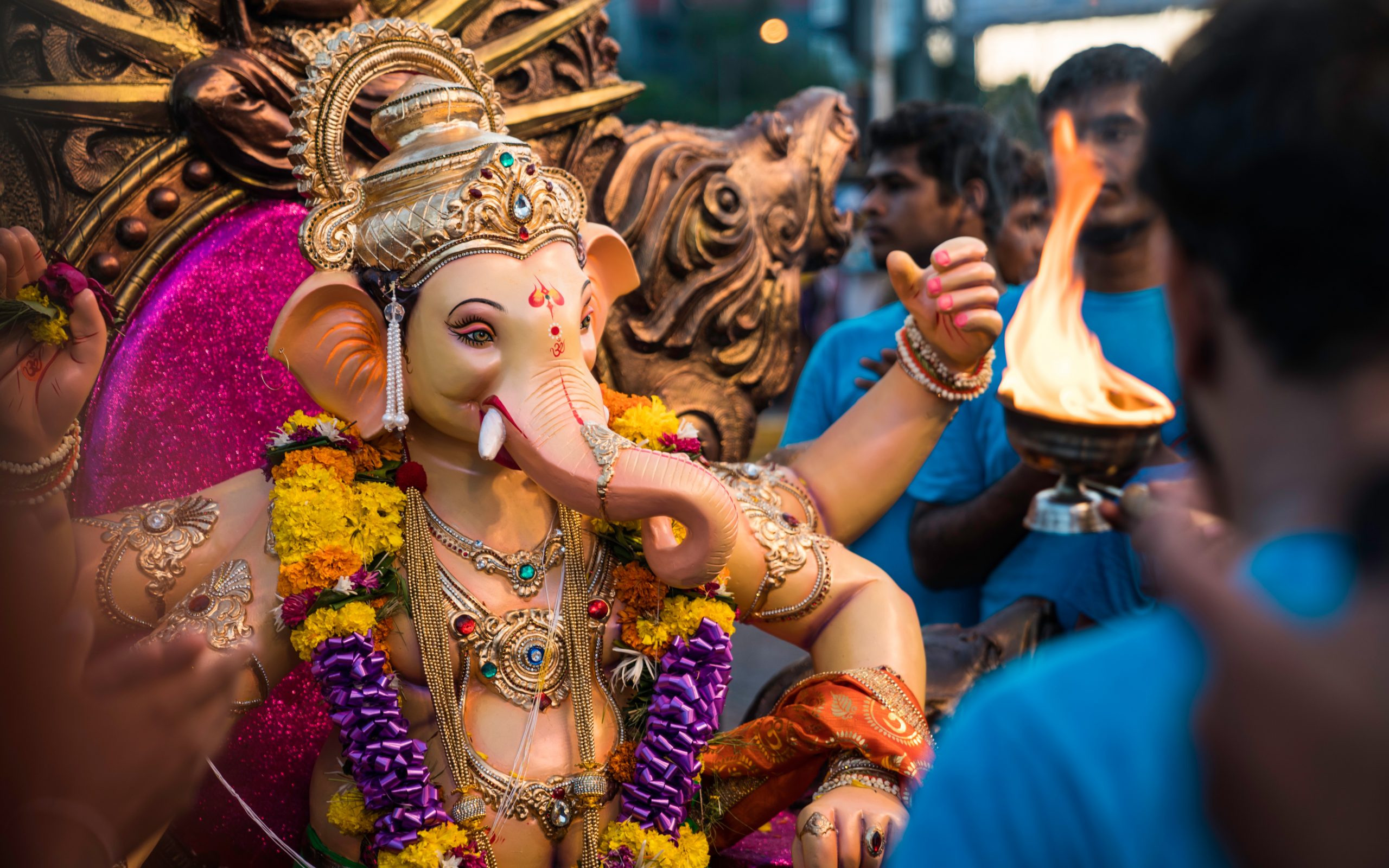
From Ritual to Responsibility: How Hinduism Connects Us to Nature Through Pujas
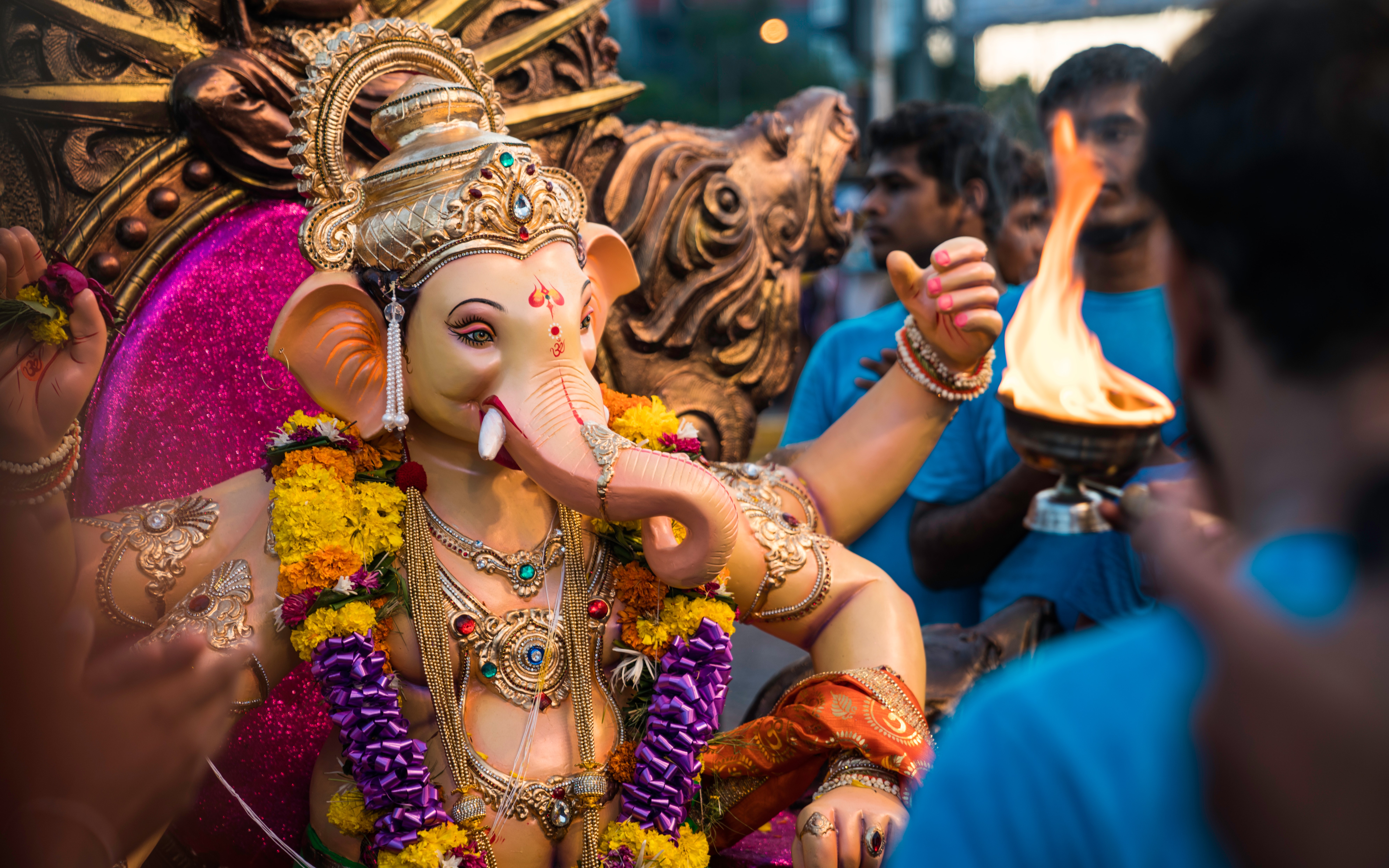
Pujas, the ritualistic worship of deities in Hinduism, are not merely religious ceremonies but profound expressions of our interconnectedness with nature. Through these sacred acts, we not only honor the divine but also forge a deep bond with the elements that sustain us.

Nature as Divine:

Hinduism recognizes the inherent divinity of all creation. Pujas are a way to acknowledge and celebrate this divine presence in the natural world. By offering flowers, fruits, and other elements, we honor the life-giving forces that surround us.
Earth Puja (Bhoomi Puja):
This puja invokes the Earth goddess, Bhudevi, to bless the land before any construction or cultivation. By paying homage to the Earth, we recognize its importance as the foundation of our lives and our responsibility to protect its sanctity.
Water Puja (Ganga Puja):
The Ganga River, considered sacred in Hinduism, is worshipped through Ganga Puja. By offering water, flowers, and prayers, we express our gratitude for this life-sustaining resource and our duty to keep our water bodies clean and healthy.
Fire Puja (Havan):
Fire, a symbol of purification and transformation, is invoked in Havan. Through offerings of ghee, grains, and sacred herbs, we both purify the environment and connect with the transformative power of nature.
Air Puja (Vayu Puja):
Vayu, the wind god, is honored through Vayu Puja. By offering incense and waving fans, we acknowledge the vital role of air in our survival and our responsibility to protect the Earth’s atmosphere.
Connection and Responsibility:
Pujas create a tangible connection between humans and nature. By performing these rituals, we are reminded of our dependence on the elements and our obligation to treat them with respect and care.
Pujas foster a sense of environmental responsibility. By honoring the Earth, water, fire, and air, we recognize their value and the need to protect their integrity. This translates into actions such as reducing pollution, conserving resources, and preserving biodiversity.
Conclusion:
Hinduism’s pujas are a living testament to the interconnectedness of all beings. Through these rituals, we not only express our devotion to the divine but also forge a deep connection with nature. By recognizing the divinity of creation, we cultivate a sense of responsibility towards our planet and all its inhabitants. Pujas are thus not merely religious practices but vital tools for fostering environmental stewardship and ensuring the well-being of generations to come.