A Beginner’s Guide to Puja: Daily Rituals in Hinduism
Introduction
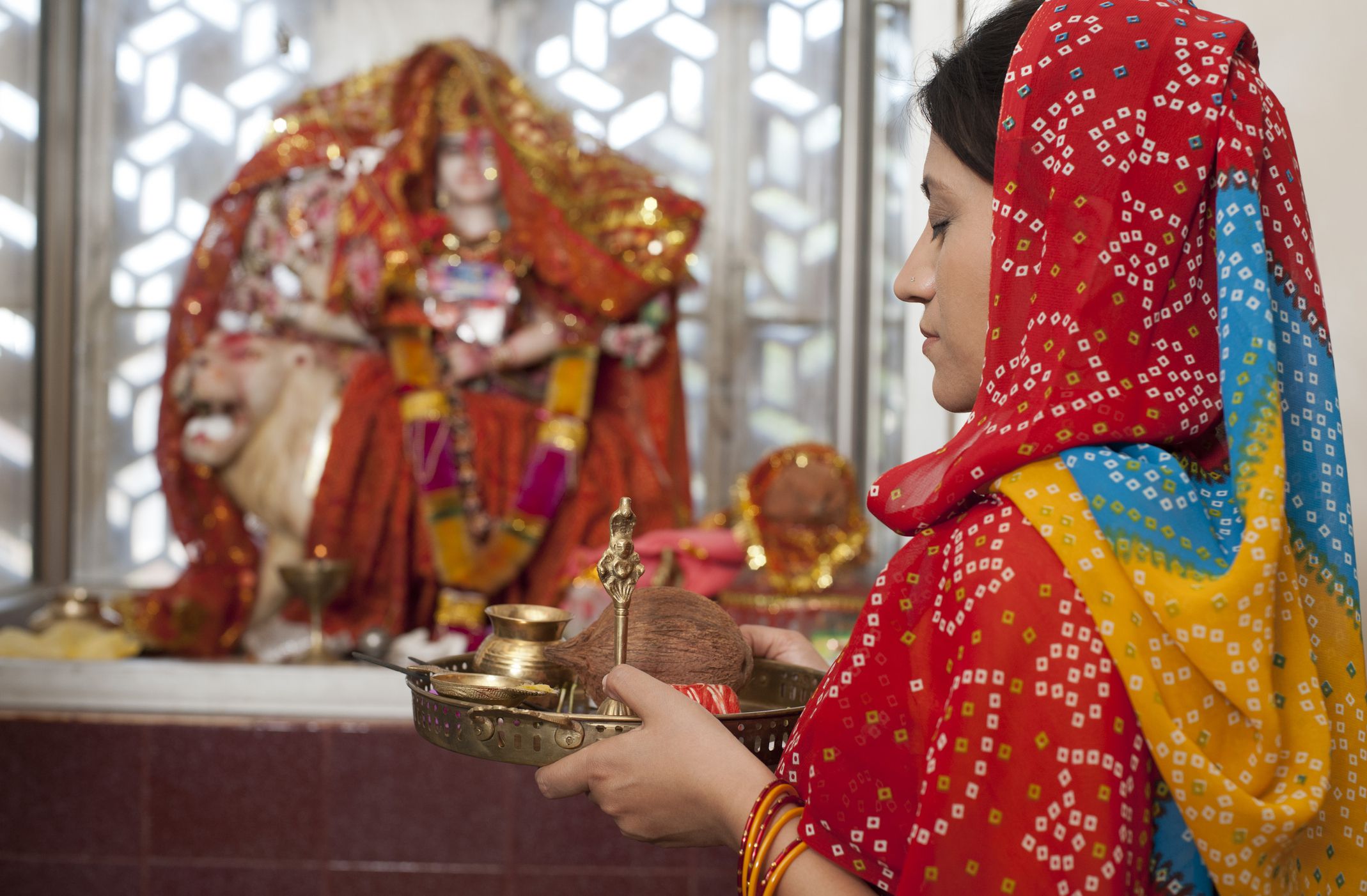
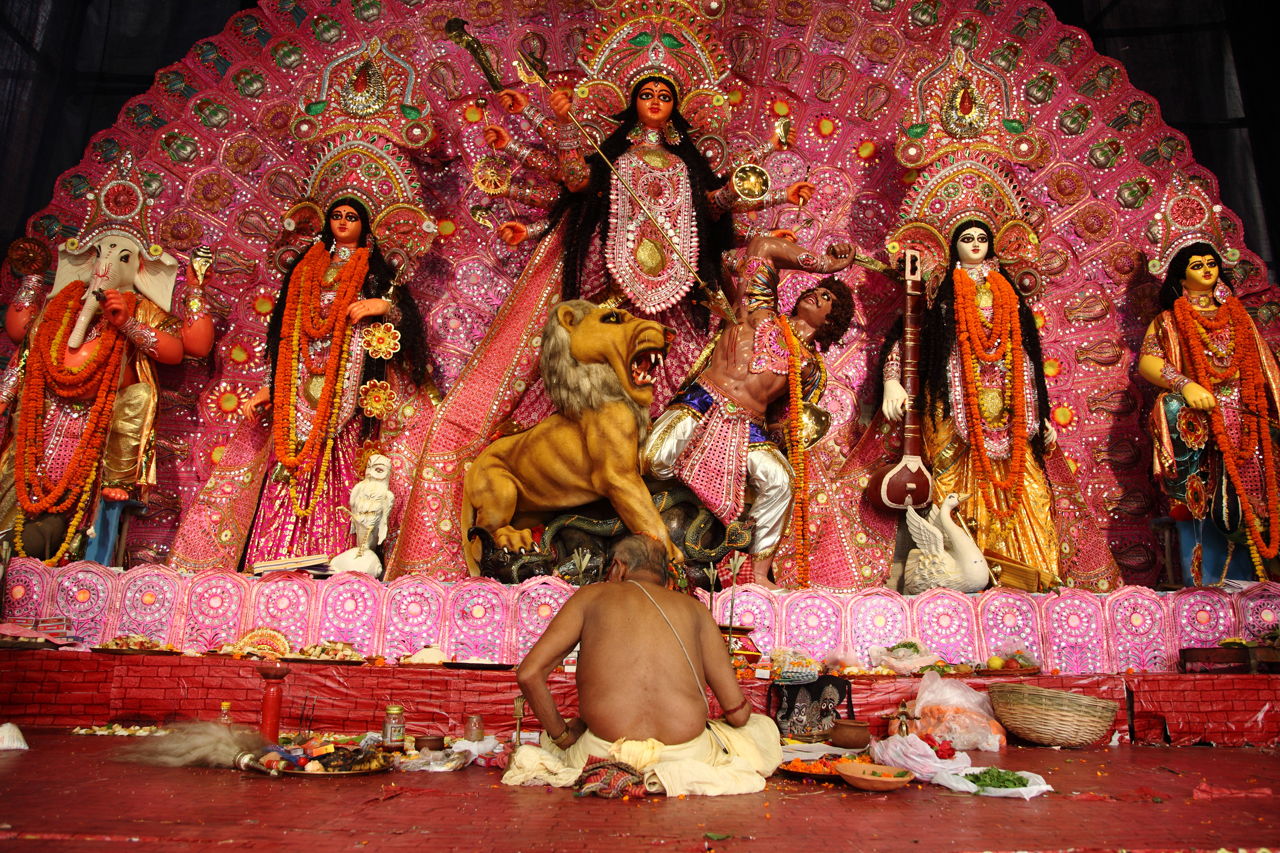
Puja is a sacred ritual performed by Hindus to worship deities, seek blessings, and express devotion. It is an integral part of daily life for many Hindus, and it is believed to bring peace, prosperity, and spiritual fulfillment. This guide provides a basic overview of puja, including the steps involved, the materials needed, and the benefits associated with it.
Materials Needed
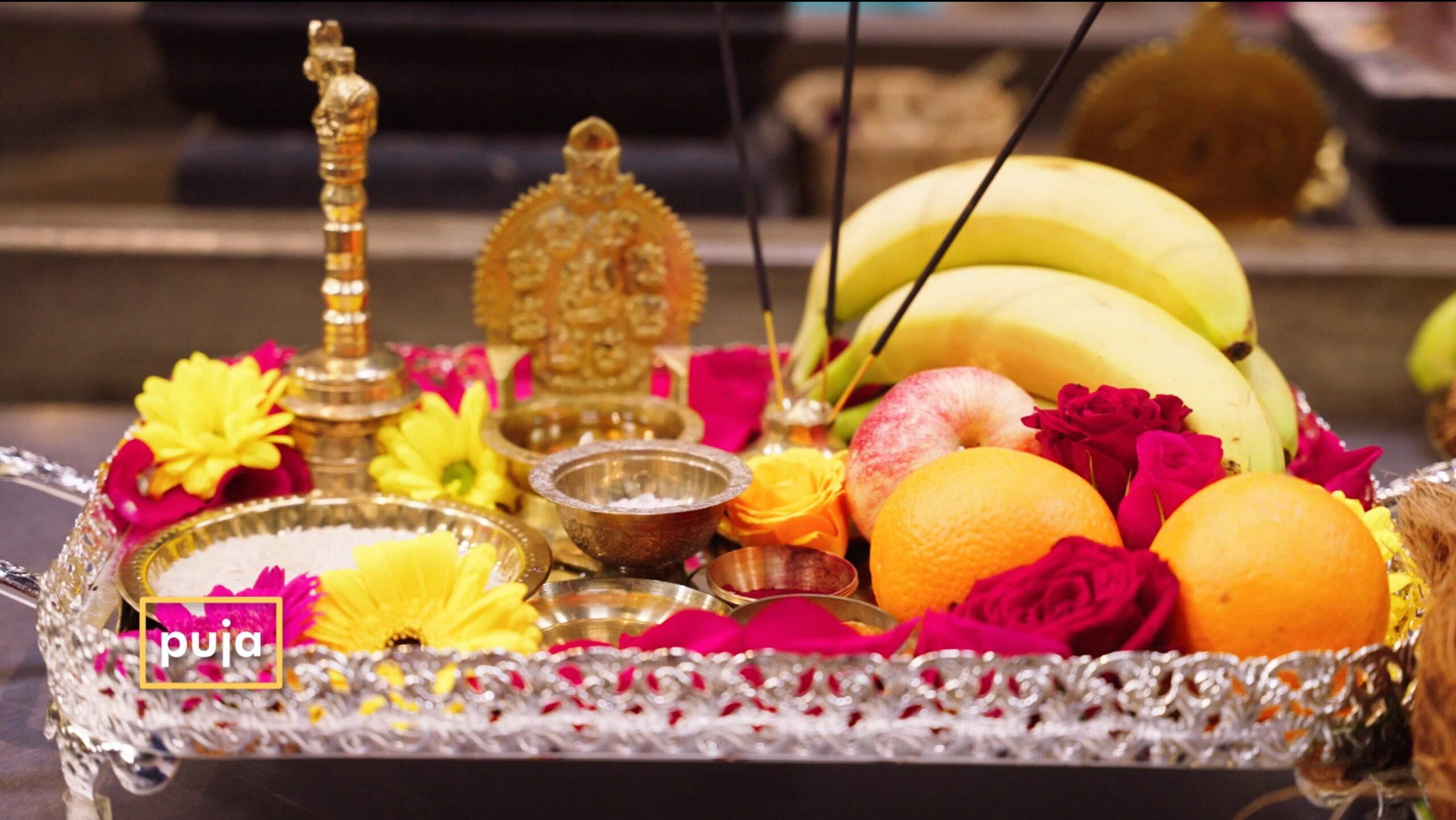
To perform puja, you will need the following materials:
- Murti or Deity Image: A statue or representation of the deity you wish to worship.
- Puja Thali: A metal or wooden plate used to hold the offerings and prayer items.
- Deepam or Diya: An oil lamp with a wick, used to represent the divine light.
- Agarbatti or Incense Sticks: Aromatic sticks used to create a sacred atmosphere.
- Flowers: Fresh flowers offered as a symbol of beauty and purity.
- Sweet Treats or Prasad: Sweet dishes or fruits offered as a gesture of gratitude.
- Water: A bowl of water used for offering and purification.
- Bell: A small hand bell rung to invoke the deity’s presence and mark the beginning and end of puja.
Steps Involved in Puja
- Preparation: Clean the puja area and wash your hands. Place the murti on the puja thali and arrange the other materials around it.
- Invocation: Ring the bell to invoke the deity’s presence and ask for their blessings.
- Offering of Flowers and Garlands: Place fresh flowers and a garland around the murti.
- Offering of Deepam: Light the oil lamp and place it in front of the murti.
- Offering of Agarbatti: Light incense sticks and wave them around the murti.
- Offering of Prasad: Offer sweet treats or fruits to the murti as a symbol of gratitude.
- Offering of Water: Pour water on the murti and touch the water to your forehead as a gesture of purification.
- Prayer and Meditation: Offer prayers, sing devotional songs, or meditate in front of the murti.
- Circumambulation (Parikrama): Walk around the puja thali three or five times clockwise, offering your respects to the deity.
- Salutation and Farewell: Fold your hands in prayer and bow to the murti, expressing your gratitude and asking for divine protection.
Benefits of Puja
Regular practice of puja offers numerous benefits, including:
- Spiritual Fulfillment: Puja helps connect with the divine and experience a sense of inner peace and harmony.
- Stress Relief: The act of ritual and prayer can create a calming and meditative effect, reducing stress and anxiety.
- Divine Blessings: Puja is believed to bring blessings and protection from the deities, fostering good health, prosperity, and overall well-being.
- Strengthening Faith: Regular puja strengthens the spiritual bond between the devotee and the deity, reinforcing faith and devotion.
- Cultivating Gratitude: Offering prayers and gifts to the deities cultivates a sense of gratitude and appreciation for the blessings in life.
Conclusion
Puja is a sacred ritual that plays a vital role in the daily lives of many Hindus. By understanding the steps involved, the materials needed, and the benefits associated with it, you can deepen your spiritual connection and experience the blessings of divine presence in your life. Remember to approach puja with sincerity, devotion, and a pure heart to maximize its transformative and uplifting effects.A Beginner’s Guide To Puja: Daily Rituals In Hinduism
Executive Summary
Puja, meaning “worship,” is an essential daily ritual practice in Hinduism where devotees connect with their chosen deities. It involves a series of steps and offerings and can vary based on the deity being worshipped. Understanding the significance and intricacies of puja can enhance the spiritual connection and bring about a sense of peace and fulfillment.
Introduction
Hinduism places great importance on daily rituals, with puja being central to this practice. It is a way of expressing devotion, gratitude, and seeking blessings from the divine. Performed at home or in temples, puja helps create a sacred space for communion with God. This guide provides a beginner’s introduction to puja, explaining its significance, steps involved, and the different offerings made to deities.
Frequently Asked Questions
- What is the purpose of puja?
- To show devotion to deities, express gratitude, and seek blessings.
- How often is puja performed?
- Typically daily, at a specific time in the morning or evening.
- What are the main offerings in puja?
- Flowers, fruits, food, water, and incense.
Top 5 Subtopics Related to Puja
Deities
- Represents the specific Hindu god or goddess being worshipped.
- Important points:
- Different deities have different forms, names, and qualities.
- Some popular deities include Shiva, Vishnu, Lakshmi, and Ganesh.
- The choice of deity depends on personal devotion and beliefs.
- Important points:
Steps Involved in Puja
- A structured sequence of actions and offerings.
- Important points:
- Begins with invocation of the deity and purification rituals.
- Includes bathing the deity, offering food and flowers.
- Concludes with aarti (waving of lights) and prayers.
- Important points:
Offerings
- Physical items presented to the deity to express devotion.
- Important points:
- May include flowers, fruits, sweets, and other items.
- Each offering has symbolic significance and conveys a specific intention.
- Water represents purity, while tulsi leaves symbolize devotion.
- Important points:
Mantras, Prayers, and Hymns
- Vocal or written expressions of devotion and reverence.
- Important points:
- Sacred words and phrases chanted during puja.
- Can be specific to the deity being worshipped.
- Help focus the mind and connect with the divine.
- Important points:
Significance of Daily Puja
- A regular practice that brings spiritual benefits.
- Important points:
- Purifies the mind and creates a sense of inner peace.
- Strengthens connection with deities and promotes devotion.
- Can help foster discipline, gratitude, and a sense of purpose.
- Important points:
Conclusion
Puja is an integral part of Hindu daily life, providing a way to connect with the divine and foster spiritual growth. By following the steps and guidelines outlined in this guide, beginners can establish a meaningful puja practice that brings inner peace, devotion, and a deeper understanding of the Hindu tradition.
Relevant Keyword Tags
- Hindu Daily Rituals
- Puja Meaning
- Steps in Puja
- Puja Offerings
- Significance of Puja