Hindu Festivals: A Celebration of Life, Faith, and Cultural Heritage
Hindu festivals are an integral part of Indian culture, embodying the rich tapestry of religious beliefs, customs, and traditions. These vibrant celebrations not only honor deities but also serve as a means to strengthen family bonds, promote social harmony, and foster a sense of community.
Diwali: The Festival of Lights
Diwali, also known as Deepavali, is one of the most important Hindu festivals, symbolizing the victory of good over evil. It is celebrated on the darkest night of the year, when rows of oil lamps (diyas) and colorful fireworks illuminate homes, temples, and public spaces. Diwali signifies the return of Lord Rama, the seventh avatar of Vishnu, from exile after defeating the demon king Ravana.
Holi: The Festival of Colors
Holi, also known as the “Festival of Spring,” is a playful and joyous celebration that welcomes the arrival of spring. Participants gather in streets and parks, throwing colored powder and water at one another. The festival represents the triumph of good over evil and the renewal of life.
Navratri: The Nine Nights of the Goddess
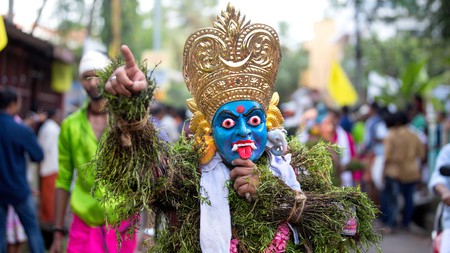
Navratri, meaning “nine nights,” is celebrated twice a year, in spring and autumn. It honors the nine forms of the Goddess Durga, who symbolizes power, protection, and victory. During Navratri, devotees perform daily prayers, fast, and engage in Garba and Dandiya folk dances.
Maha Shivaratri: The Night of Shiva
Maha Shivaratri is dedicated to Lord Shiva, the god of destruction and transformation. On this night, devotees stay awake and meditate throughout the night, offering prayers and performing abhishek (ritual bathing) to the Shiva lingam (phallic symbol). Maha Shivaratri signifies the dissolution of ego and the union of the individual soul with the divine.
Ganesha Chaturthi: The Birthday of Ganesha
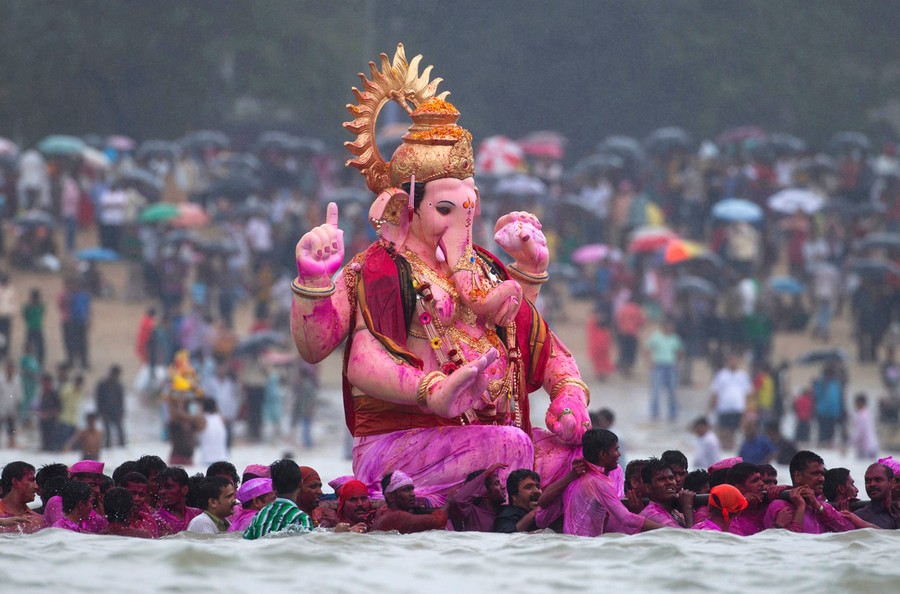
Ganesha Chaturthi celebrates the birth of Lord Ganesha, the elephant-headed god of wisdom and prosperity. During this 10-day festival, devotees install clay idols of Ganesha in their homes and public spaces, offering prayers, food, and music. On the final day, the idols are immersed in water bodies, symbolizing the letting go of attachments and the return of Ganesha to his abode.
Dussehra: The Triumph of Good over Evil
Dussehra, also known as Vijayadashami, commemorates the victory of Lord Rama over the demon king Ravana. It is celebrated on the tenth day of Navratri, and on this day, effigies of Ravana are set ablaze in public spaces, representing the destruction of evil.
Cultural Significance
Hindu festivals play a vital role in preserving and transmitting cultural heritage. Through rituals, music, dance, and storytelling, these celebrations connect people with their ancestors, mythology, and religious beliefs. They promote social cohesion, foster a sense of belonging, and instill moral values in society.
Global Celebrations
Hindu festivals are celebrated not only in India but also by Hindu communities around the world. These celebrations have become important events for the Indian diaspora, providing an opportunity to connect with their cultural roots and share their traditions with the global community.
In conclusion, Hindu festivals are a vibrant expression of faith, cultural heritage, and the indomitable spirit of the Indian people. They serve as a reminder of the importance of family, community, and the eternal battle between good and evil. These festivals have stood the test of time, and they continue to enrich the lives of millions of Hindus and non-Hindus alike around the world.## Hindu Festivals: A Celebration Of Life, Faith, And Cultural Heritage
Executive Summary
Hindu festivals are an integral part of Indian culture and tradition. They are a time for families and communities to come together, celebrate their faith, and share their rich cultural heritage. Some of the most popular Hindu festivals include Diwali, Holi, Navratri, Dussehra, and Ganesh Chaturthi. Each festival has its own unique traditions and significance, but they all share a common goal of bringing people together and fostering a sense of community.
Introduction
Hindu festivals are a kaleidoscope of colors, traditions, and rituals that have been passed down through generations. They are a testament to the rich cultural heritage of India and a celebration of the country’s diverse religious beliefs. Hindu festivals are a time for families and communities to come together, share their faith, and celebrate their culture. They are also a time for reflection and introspection, a time to renew one’s commitment to living a righteous life.
FAQ
- What is the most popular Hindu festival?
Diwali is the most popular Hindu festival. It is a five-day festival of lights that celebrates the victory of good over evil. Diwali is celebrated by Hindus all over the world, and it is a time for families and communities to come together and share their joy.
- What is the significance of Holi?
Holi is a spring festival that celebrates the triumph of good over evil. It is also a festival of colors, and people of all ages enjoy playing with colored powder and water. Holi is a time for fun and laughter, and it is a reminder of the importance of living in harmony with each other.
- What is the importance of Navratri?
Navratri is a nine-day festival that celebrates the goddess Durga. Durga is a powerful goddess who represents strength and courage. Navratri is a time for Hindus to worship Durga and to ask for her protection and blessings.
Top 5 Subtopics
Diwali
- The festival of lights
- Celebrates the victory of good over evil
- Five-day festival
- People decorate their homes with lights and candles
- Families and communities come together to share their joy
Holi
- The festival of colors
- Celebrates the triumph of good over evil
- People of all ages enjoy playing with colored powder and water
- A time for fun and laughter
- A reminder of the importance of living in harmony with each other
Navratri
- A nine-day festival
- Celebrates the goddess Durga
- Durga represents strength and courage
- Hindus worship Durga and ask for her protection and blessings
- A time for reflection and introspection
Dussehra
- A ten-day festival
- Celebrates the victory of good over evil
- Commemorates the victory of Lord Rama over the demon king Ravana
- People burn effigies of Ravana
- A time for celebrating the triumph of good over evil
Ganesh Chaturthi
- A ten-day festival
- Celebrates the birth of Lord Ganesha
- Lord Ganesha is the god of wisdom and prosperity
- People bring idols of Lord Ganesha into their homes
- A time for worship and prayer
Conclusion
Hindu festivals are a vibrant and colorful part of Indian culture and tradition. They are a time for families and communities to come together, celebrate their faith, and share their rich cultural heritage. Hindu festivals are also a time for reflection and introspection, a time to renew one’s commitment to living a righteous life.
Keyword Tags
- Hindu festivals
- Diwali
- Holi
- Navratri
- Dussehra
- Ganesh Chaturthi