
Prasadam: More Than Just a Meal
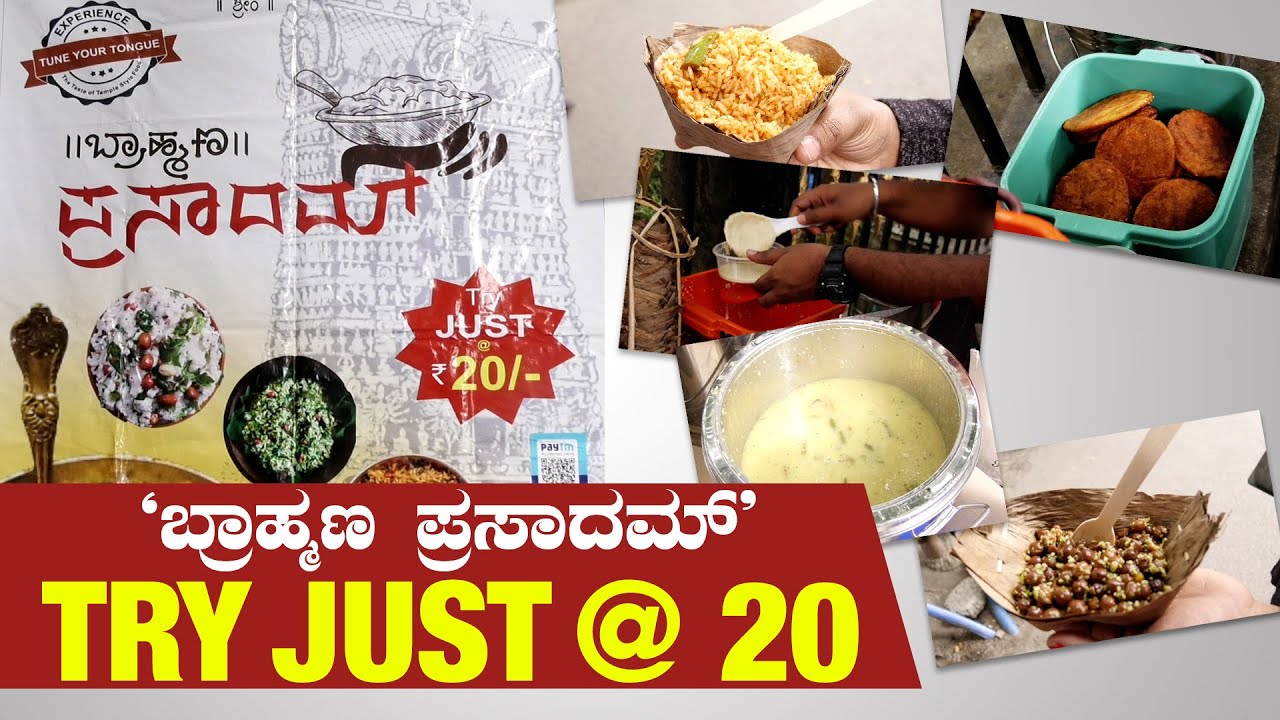
In the realm of Hinduism, the concept of prasadam holds immense significance, transcending the mere act of nourishment. Prasadam is an offering made to the divine, typically consisting of food, flowers, or other devotional items. It is revered as a sanctified substance that has received the grace of the deity and, as such, carries spiritual significance.
Etymology and Meaning
The term “prasadam” originates from the Sanskrit word “prasada,” which means “grace” or “blessing.” It embodies the belief that offerings to the divine are not merely material objects but channels through which devotees receive the divine’s grace and blessings.
Preparation and Rituals
The preparation of prasadam is a sacred ritual in itself. Devotees follow strict guidelines and observe purity while preparing the offerings. Specific foods, often with vegetarian or sattvic qualities, are chosen for their auspicious nature and their ability to promote spiritual well-being.
Once the prasadam is prepared, it is offered to the deity with prayers and devotion. The offering is then considered sanctified and imbued with the divine’s presence.
Types of Prasadam
Prasadam can take various forms, including:
- Naivedyam: Food offerings made to the deity, which are then distributed among devotees.
- Thirtham: Holy water blessed by the deity.
- Charanamrita: Water used to bathe the deity’s feet.
- Flowers and Garland: Offerings of flowers and garlands to adorn the deity.
Spiritual Significance
For Hindus, receiving prasadam is not merely a physical act but a deeply spiritual experience. It is believed that consuming prasadam:
- Connects devotees with the divine.
- Purifies the mind and body.
- Invokes positive qualities like purity, devotion, and love.
- Enhances spiritual growth and consciousness.
- Removes obstacles and brings blessings.
Social Aspect
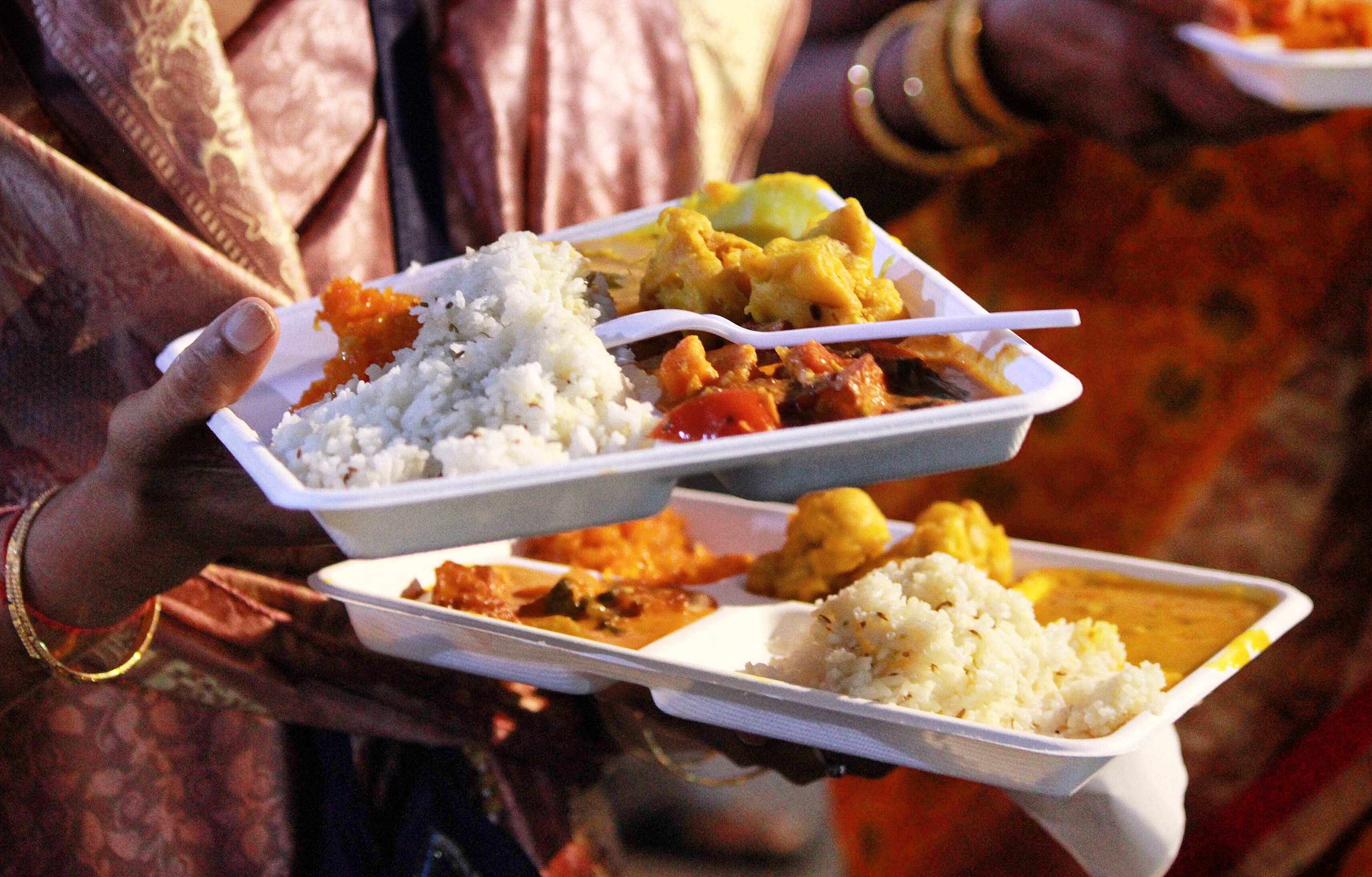
Beyond its spiritual significance, prasadam also plays a social role. It is often distributed among devotees after religious ceremonies, fostering a sense of community and unity. Sharing prasadam is considered an act of charity and a way to spread the divine’s grace.
Conclusion
Prasadam in Hinduism is more than just a meal; it is a sacred offering that embodies the divine’s grace. It is a symbol of devotion, purity, and spiritual growth. Receiving prasadam is not only a physical experience but a transformative one, connecting devotees with the divine and fostering a sense of community and well-being.## More Than Just A Meal: Exploring The Concept Of Prasadam In Hinduism
Executive Summary
Prasadam, a Sanskrit term meaning “grace,” refers to food that has been offered to a deity and is considered sanctified. It is an integral part of Hindu religious practices and holds immense spiritual and cultural significance. This article delves into the multifaceted concept of prasadam, exploring its history, rituals, beliefs, and profound impact on Hindu devotees. By understanding the deep-rooted significance of prasadam, we gain insights into the rich tapestry of Hindu traditions and beliefs.
Introduction
Food plays a pivotal role in human life, sustaining our bodies and nourishing our souls. In Hinduism, the concept of prasadam transcends mere sustenance; it embodies a divine connection between devotees and their deities. Prasadam is not simply edible offerings but a manifestation of God’s grace and blessings, believed to purify the body and mind, elevate consciousness, and foster spiritual growth.
FAQs
1. What is the significance of prasadam in Hinduism?
Prasadam is considered a sacrament, a sacred offering that has been imbued with divine energy through its dedication to a deity. It symbolizes the devotee’s surrender, devotion, and gratitude towards God.
2. How is prasadam prepared and offered?
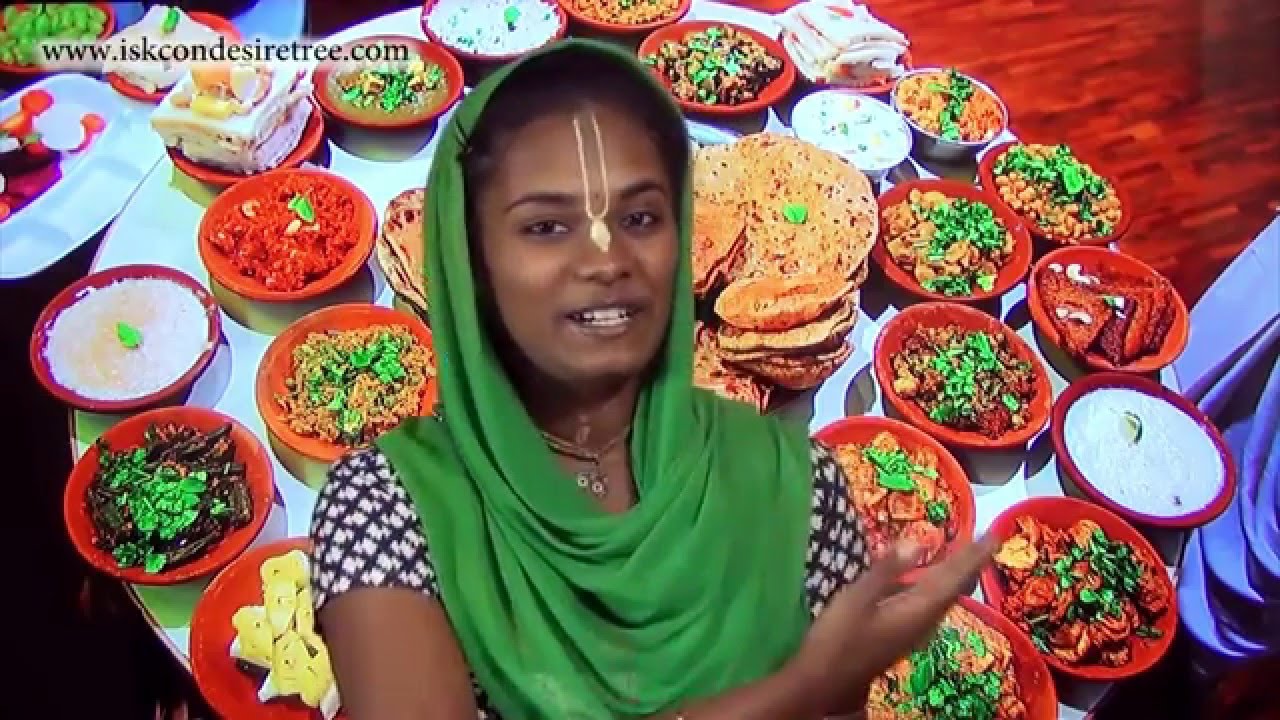
Prasadam is typically prepared with pure ingredients and offered with love and devotion. It can range from simple fruits and sweets to elaborate feasts, depending on the occasion and the specific deity being worshipped.
3. What are the benefits of consuming prasadam?
Devotees believe that consuming prasadam not only nourishes the physical body but also purifies the mind, brings spiritual elevation, and bestows blessings from the deities.
Subtopics
1. History and Origins of Prasadam
- Ancient Vedic texts, such as the Rig Veda, mention offerings of food to deities.
- Prasadam’s origins can be traced to the concept of yajna, a sacred fire ritual where offerings are made to Agni, the god of fire.
- Over time, prasadam became a central part of temple worship and devotional practices.
2. Rituals and Customs Surrounding Prasadam
- Prasadam is typically offered to deities through elaborate rituals, known as pujas.
- Devotees place the offerings before the deity’s idol and offer prayers and mantras.
- After the offerings are accepted by the deity, they are distributed among devotees as prasadam.
3. Spiritual Significance of Prasadam
- Prasadam is believed to contain the divine essence of the deity.
- Consuming it is seen as a way of receiving God’s grace and blessings.
- It is believed to purify the body, elevate consciousness, and promote spiritual growth.
4. Social and Cultural Implications of Prasadam
- Prasadam fosters a sense of community among devotees.
- It is often used as a symbol of love, respect, and gratitude in social gatherings.
- Sharing prasadam is considered a way of spreading God’s blessings and promoting harmony.
5. Varieties and Distribution of Prasadam
- Prasadam can take various forms, from simple fruits to elaborate feasts.
- In temples, prasadam may be offered daily or during special occasions.
- Prasadam is also distributed in homes and community gatherings as a way of sharing blessings and promoting spiritual well-being.
Conclusion
Prasadam is a multifaceted concept in Hinduism that transcends the realm of mere sustenance. It is a sacred offering, a divine blessing, a symbol of devotion, and a means of spiritual purification. The act of preparing, offering, and consuming prasadam strengthens the bond between devotees and their deities, fostering a sense of community and promoting spiritual growth. Understanding the profound meaning and significance of prasadam offers a glimpse into the rich tapestry of Hindu beliefs and practices.
Keyword Tags
- Prasadam
- Hinduism
- Deity Offerings
- Spiritual Significance
- Sacred Food