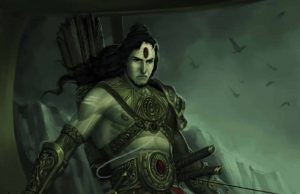
The Eternal Wanderer: Delving into the Mythical Immortality of Ashwatthama
Introduction:
In the annals of ancient Indian mythology, the enigmatic figure of Ashwatthama stands as a testament to the enduring power of legends. A warrior cursed with an extraordinary fate, his tale has captivated imaginations for centuries. This article delves into the fascinating myth of Ashwatthama, uncovering the secrets behind his eternal wandering and the profound impact he has left on Indian culture and literature.
The Origins of Ashwatthama:
Ashwatthama, the son of the renowned warrior Drona, was born with a unique birthmark adorned with a jewel. This birthmark foretold a life intertwined with both greatness and tragedy. As he matured, Ashwatthama exhibited exceptional prowess in the art of warfare, becoming a formidable warrior who played a pivotal role in the epic struggle of the Mahabharata.
The Curse that Altered Destiny:
However, fate had a cruel twist in store for Ashwatthama. During a pivotal battle, he was overcome by grief and rage after witnessing the death of his father. In a moment of desperation, he unleashed the deadly Brahmastra, a weapon capable of annihilating entire armies.
Unknown to Ashwatthama, the weapon was intended for a different target. This grave error earned him the wrath of Lord Krishna, who cursed him with eternal life and an unquenchable thirst for revenge. Unable to die or find peace, Ashwatthama became a wanderer, forever roaming the earth, haunted by the memories of his past actions.
Ashwatthama’s Immortal Wanderings:
For centuries, Ashwatthama has wandered the earth, his presence often heralded by a trail of destruction and sorrow. Ancient texts and folklore depict him as a solitary figure, plagued by the weight of his curse.
Legends speak of his encounters with saints and sages, who attempted to guide him towards redemption. However, Ashwatthama’s thirst for vengeance proved too strong. He roamed the land, leaving a wake of bloodshed as he sought to punish those responsible for the death of his father.
The Mythological Significance of Ashwatthama:
The myth of Ashwatthama holds profound significance in Indian culture. It serves as a cautionary tale about the dangers of uncontrolled emotions and the consequences of rash actions. Ashwatthama’s eternal wandering symbolizes the cycle of violence and hatred that can perpetuate itself if left unchecked.
Over time, the myth has evolved, becoming a metaphor for the human condition. Ashwatthama’s quest for vengeance mirrors our own struggles with anger, resentment, and the desire for retribution. His immortality reminds us of the enduring nature of our own actions and the importance of striving for forgiveness and redemption.
Conclusion:
The myth of Ashwatthama is a timeless tale that continues to resonate with audiences today. Its themes of immortality, revenge, and the human condition are universal and compelling. As we delve into the depths of this ancient legend, we gain valuable insights into the complexities of our own lives and the nature of the universe we inhabit.
Secondary Keywords:
- Mahabharata
- Drona
- Brahmastra
- Curse of Immortality
- Eternal Wanderer