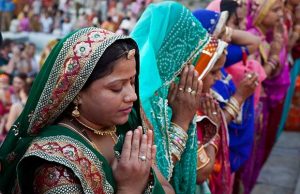
Caste System: A Deep-Rooted Social Hierarchy
Introduction
The caste system, an intricate and long-standing social stratification system, has played a defining role in Indian society for centuries. This deeply ingrained system has shaped the lives of individuals, dictating their social status, occupation, and interactions within society. In this article, we explore the complexities of the caste system, its origins, and the ongoing debate surrounding its impact on modern-day India.
Origins and Evolution of the Caste System
The origins of the caste system are shrouded in mystery, with various theories attempting to explain its genesis. One widely held belief is that the caste system emerged from the ancient Hindu scriptures, where it is mentioned in texts like the Rig Veda and Manusmriti. These texts classified society into four main varnas, or social groups: Brahmins (priests), Kshatriyas (warriors), Vaishyas (traders), and Shudras (laborers).
Over time, the caste system became more elaborate, with the emergence of numerous sub-castes within each varna. These sub-castes further defined an individual’s social status and occupation. The system was hierarchical, with Brahmins at the top and Shudras at the bottom.
Key Features of the Caste System
- Birth-Based Identity: Caste membership is primarily determined by birth. An individual’s caste is inherited from their parents, and they are expected to adhere to the social norms and restrictions associated with their caste.
- Social Hierarchy: The caste system establishes a clear social hierarchy, with different castes occupying different social positions and enjoying varying degrees of privileges and restrictions.
- Endogamy: Caste often dictates who individuals can marry. Traditionally, marriage within one’s own caste is encouraged, reinforcing the boundaries and social separation between castes.
- Occupational Specialization: Caste has historically determined an individual’s occupation. Brahmins were expected to be priests, Kshatriyas warriors, Vaishyas traders, and Shudras laborers.
Impact on Indian Society
The caste system has had a profound impact on Indian society. It has influenced:
- Social Inequality: The caste system has perpetuated social inequality, with lower castes facing discrimination, social exclusion, and economic deprivation.
- Access to Education and Employment: Caste has historically limited access to education and employment opportunities for lower castes.
- Social Interaction: Caste dictates social interactions, with individuals expected to behave according to the expectations of their caste.
Challenges to the Caste System
In recent decades, the caste system has faced increasing challenges. Modernization, education, and social reform movements have played a role in questioning and eroding the traditional caste boundaries. However, the system continues to persist, albeit in more subtle and informal ways.
Government Initiatives
The Indian government has implemented various laws and policies to address caste discrimination and promote social equality. These include:
- Reservation Policy: The government reserves a certain percentage of seats in educational institutions and government jobs for members of lower castes.
- Anti-Caste Discrimination Laws: Laws have been enacted to criminalize caste-based discrimination and violence.
- Social Welfare Programs: The government has introduced social welfare programs to provide education, housing, and other support to lower caste communities.
Conclusion
The caste system remains a complex and multifaceted issue in modern-day India. While its traditional form has weakened over time, caste continues to influence social interactions, opportunities, and inequalities. The ongoing debate surrounding the caste system highlights the need for continued efforts to promote social justice, equity, and inclusion in Indian society.
Secondary Keywords:
- Caste Discrimination
- Social Inequality
- India
- Social Hierarchy
- Hindu Scriptures