The Cosmic Order: Hinduism’s Tapestry of Divine Harmony
In the realm of ancient Indian philosophy, the concept of cosmic order reigns supreme. Hinduism, a profound and multifaceted religion, weaves an intricate tapestry of deities, heroes, and demons within a meticulously structured cosmic framework. Understanding this cosmic order reveals the essence of Hindu beliefs and provides a glimpse into the intricate metaphysical tapestry that governs the universe.
The Primordial Principle: Purusha and Prakriti
At the heart of the cosmic order lies the primordial duality of Purusha and Prakriti. Purusha, the eternal and unchanging consciousness, embodies the masculine principle. Prakriti, the dynamic and transformative energy, represents the feminine principle. The interplay of these two fundamental forces gives rise to all existence.
The Trinity of Cosmic Gods
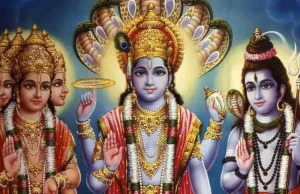
Hinduism venerates a triad of cosmic gods who embody the three primary qualities of the universe: creation, preservation, and destruction.
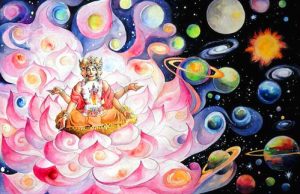
- Brahma, the Creator, manifests all that exists from the void of nothingness.
- Vishnu, the Preserver, sustains and protects the cosmic order through his divine incarnations.
- Shiva, the Destroyer, brings about cosmic dissolution and renewal, paving the way for new beginnings.
The Cosmic Hierarchy: Devas, Asuras, and Mortals
Beneath the cosmic gods, a celestial hierarchy exists, comprising:
- Devas: Benevolent deities who represent the forces of light and order.
- Asuras: Demonic beings who embody chaos and disruption.
- Mortals: Humans and other sentient beings who occupy a transitory existence within the cosmic tapestry.
The Wheel of Samsara: Rebirth and Karma
According to Hindu beliefs, the cosmic order governs the cycle of samsara, or rebirth. Each soul incarnates into different forms based on its karma, the sum of its past actions. Karma dictates the experiences and circumstances of each life, ultimately leading to enlightenment and liberation from the cycle of rebirth.
The Cosmic Cycle: Creation, Destruction, and Renewal
Hinduism envisions a cosmic cycle that eternally repeats:
- Creation (Srishti): The universe manifests from the primordial consciousness of Brahman.
- Preservation (Sthiti): The cosmic gods maintain the order and harmony of the universe.
- Dissolution (Laya): Shiva dissolves the universe in a fiery cataclysm, enabling the cycle to begin anew.
The Cosmic Order and Human Life
The cosmic order not only shapes the universe but also influences human life. By adhering to dharma, or righteous conduct, and fulfilling their duties, individuals align themselves with the cosmic harmony. This path leads to spiritual growth and ultimately to moksha, or liberation from the cycle of samsara.
Conclusion
The cosmic order in Hinduism is a complex and profound concept that governs the intricate tapestry of the universe and human existence. Understanding this cosmic framework provides a deeper appreciation of Hindu beliefs and the interconnectedness of all things. By embracing the principles of cosmic order, individuals can strive for enlightenment and play their part in the harmonious dance of the universe.
Secondary Keywords
- Hindu mythology
- Cosmic harmony
- Samsara and karma
- Cosmic deities
- Dharma and moksha