Diverse Interpretations: Exploring the Multifaceted Nature of Hinduism
Hinduism, one of the oldest and most diverse religions in the world, has evolved through millennia, giving rise to numerous sects and schools of thought that have shaped its rich traditions and beliefs. This vast array of interpretations has not only enriched Hinduism but also contributed to its resilience and adaptability over time.
Origins and Early Influences
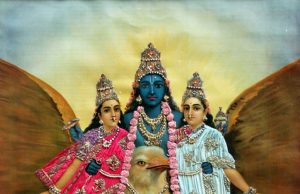
The origins of Hinduism lie in the Indus Valley Civilization (c. 2600-1900 BCE), where beliefs and practices centered around deities associated with nature. These early influences continue to resonate in modern Hinduism, with the veneration of Shiva as the destroyer and creator, Brahma as the creator, and Vishnu as the preserver.
Vedic Period (c. 1500-500 BCE)
The Vedic period marked a significant turning point in the development of Hinduism. The Vedas, a collection of sacred hymns and rituals, became the foundational texts of the religion. They introduced the concept of karma (the law of cause and effect) and reincarnation (the belief that the soul is reborn after death).
Brahmanic Period (c. 500-200 BCE)
The Brahmanic period saw the rise of the Brahmanic priesthood and the codification of religious practices. The Upanishads, philosophical texts composed during this time, explored the nature of reality, the relationship between the individual and the divine, and the concept of moksha (liberation).
Epic Period (c. 200 BCE-200 CE)
The Epic period witnessed the composition of the Mahabharata and Ramayana, epic poems that narrate the stories of ancient heroes and kings. These epics not only influenced religious life but also shaped cultural and social norms.
Classical Period (c. 200-1000 CE)
The Classical period was characterized by the development of bhakti (devotional worship) movements. Saints and teachers such as Shankara, Ramanuja, and Madhva preached the importance of devotion to a personal deity, leading to the rise of sects like Shaivism, Vaishnavism, and Shaktism.
Medieval Period (c. 1000-1500 CE)
The Medieval period witnessed the influence of Islam, which led to a reassertion of Hindu identity and the development of new sects. This period also saw the emergence of social reform movements, such as the Bhakti movement, which sought to challenge caste inequalities and promote devotion.
Modern Period (c. 1500-Present)
The Modern period has been characterized by the influence of Western thought and the rise of reformist movements. Leaders like Raja Ram Mohan Roy and Swami Vivekananda advocated for social and religious reform, while contemporary Hinduism embraces a wide range of interpretations and identities.
Diverse Interpretations
The diverse interpretations of Hinduism have shaped its beliefs, practices, and philosophies, each offering a unique perspective on the nature of reality and the path to liberation. Some of these interpretations include:
- Vedanta: Emphasizes the non-dual nature of reality and the unity of the individual soul with the divine.
- Nyaya: Focuses on logic and rational inquiry, seeking to establish the foundations of knowledge and belief.
- Yoga: Explores the physical, mental, and spiritual practices that lead to self-realization.
- Tantra: Emphasizes the use of rituals, mantras, and meditation to access the hidden powers of consciousness.
- Bhakti: Advocates for the power of devotion to a personal deity as the path to salvation.
Relevance Today
Hinduism’s diverse interpretations continue to resonate with people around the world, offering a range of spiritual paths and perspectives on the nature of existence. The religion’s ability to adapt and evolve has ensured its survival and relevance in a rapidly changing world.
By embracing multiple interpretations, Hinduism has preserved its richness and depth, fostering a sense of tolerance and understanding among its followers. This diversity allows individuals to find a spiritual path that resonates with their own beliefs and experiences.
Secondary Keywords
- Diverse Perspectives
- Evolution of Hinduism
- Religious Interpretations
- Hindu Beliefs
- Hinduism Through History