The Beauty of Hindu Art and Architecture: A Journey into India’s Rich Cultural Heritage
The Enchanting Essence of Hindu Architecture
India, a land steeped in ancient wisdom and cultural grandeur, is home to an architectural tradition that has captivated the world for centuries: Hindu architecture. This architectural style, rooted in religious beliefs and cultural practices, is a testament to the ingenuity and creativity of the Indian people.
Unveiling the Origins: A Tapestry of Influences
The origins of Hindu architecture can be traced back to the Indus Valley Civilization, with influences from Dravidian, Buddhist, and Islamic architecture shaping its distinct character. The primary purpose of Hindu temples, the most prominent examples of this architectural style, is to serve as abodes for divine beings and facilitate spiritual practices.
The Pillars of Hindu Architecture: A Structural Symphony
Hindu architecture is characterized by several key structural elements that define its aesthetic and functional aspects:
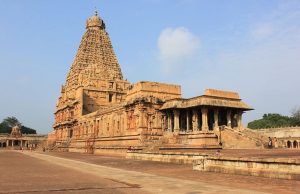
1. Shikhara (Spire): A towering, pyramidal structure that symbolizes Mount Meru, the sacred mountain in Hindu mythology. The shikhara is often adorned with intricate carvings and sculptures.
2. Mandapa (Hall): A pillared hall that serves as a gathering space for devotees. The mandapa is often supported by elaborate pillars and features exquisite carvings.
3. Garbhagriha (Sanctum): The innermost chamber of the temple, which houses the main deity. The garbhagriha is typically small and dimly lit, creating an atmosphere of reverence and intimacy.
Symbolism and Spirituality: Sacred Spaces for Devotees
Beyond its structural elements, Hindu architecture is infused with profound symbolism and spirituality. The temples are not merely buildings but sacred spaces that foster a connection between the divine and the human.
1. Geometric Patterns: Complex geometric patterns and mandalas adorn the walls and ceilings, representing cosmic order and the interplay of the elements.
2. Sculptural Embellishments: Intricate carvings and sculptures depict scenes from Hindu mythology, symbolizing the stories of the gods and goddesses and the eternal battle between good and evil.
Preserving India’s Heritage: A Legacy to Cherish
Hindu architecture is an invaluable part of India’s cultural heritage and a testament to the enduring legacy of its ancient civilization. Protecting and preserving these architectural treasures is essential to safeguard the nation’s cultural identity and provide future generations with a glimpse into the rich tapestry of Hindu art and architecture.
Conclusion: A Timeless Expression of Faith and Culture
Hindu architecture is a living legacy, a testament to the enduring power of faith and the boundless creativity of the human spirit. Through its intricate structures, sacred spaces, and profound symbolism, Hindu architecture continues to inspire awe and reverence, connecting people with the divine and preserving India’s rich cultural heritage for generations to come.
Secondary Keywords:
- Indian architecture
- Hindu temples
- Architecture of India
- Temple architecture
- Hindu art