Indonesia: A Land of Rich History and Diverse Culture
Indonesia, a Southeast Asian archipelago, is a melting pot of cultures, traditions, and natural wonders. With over 17,000 islands, Indonesia boasts a rich tapestry of ethnic groups, languages, and religions, making it one of the most diverse countries in the world.
Geography and Climate
Indonesia is located on the Pacific Ring of Fire, making it prone to earthquakes and volcanic eruptions. The country is also blessed with abundant rainfall, creating lush tropical forests and fertile agricultural lands. Indonesia’s climate is generally tropical, with warm temperatures year-round and distinct wet and dry seasons.
History
Indonesia’s rich history spans centuries, from the early Hindu-Buddhist kingdoms to the Dutch colonial era and the modern republic.
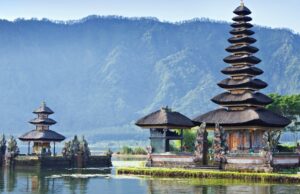
- Hindu-Buddhist Kingdoms: Around the 1st century CE, Hindu and Buddhist influences arrived in Indonesia, leading to the establishment of powerful kingdoms such as the Srivijaya and Majapahit empires.
- Islamic Period: In the 13th century, Islam began to spread through Indonesia, gradually replacing Hinduism and Buddhism as the dominant religion.
- Dutch Colonialism: From the 17th century to the early 20th century, Indonesia was colonized by the Dutch East India Company. The Dutch exploited Indonesia’s natural resources and established a plantation economy.
- Independence: Indonesia declared independence in 1945 after a long and bloody struggle. The country adopted a democratic constitution and embarked on a path of economic and social development.
Culture and Traditions
Indonesian culture is a vibrant blend of indigenous traditions, Islamic influences, and Western elements.
- Arts and Crafts: Indonesia is renowned for its exquisite crafts, including batik textiles, silver jewelry, and wood carvings.
- Music and Dance: Traditional Indonesian music and dance forms, such as Gamelan and Wayang Kulit, are deeply rooted in Hindu-Javanese culture.
- Religion: Islam is the predominant religion in Indonesia, followed by Christianity, Hinduism, and Buddhism. Religious tolerance and harmony are highly valued.
- Cuisine: Indonesian cuisine is a culinary adventure, featuring a rich array of flavors and spices. Popular dishes include nasi goreng (fried rice), rendang (spicy beef stew), and satay (grilled meat skewers).
Natural Wonders
Indonesia is home to some of the world’s most breathtaking natural attractions:
- Tropical Forests: Indonesia’s rainforests are among the most biodiverse ecosystems on Earth, protecting endangered species such as orangutans, tigers, and Sumatran rhinos.
- Beaches and Islands: Indonesia’s coastline is dotted with pristine white-sand beaches, crystal-clear waters, and vibrant coral reefs.
- Mountains and Volcanoes: Indonesia has some of the highest mountains in Southeast Asia, including Mount Kerinci and Mount Rinjani, and several active volcanoes.
Tourism and Economy
Tourism plays a significant role in Indonesia’s economy, attracting visitors from around the world. The country offers a wide range of attractions, from ancient temples and cultural heritage sites to pristine beaches and adventure activities. Other important industries include agriculture, mining, manufacturing, and technology.
Secondary Keywords:
- Indonesia History
- Tri Hita Karana
- Bali Culture
- Indonesian Cuisine
- Natural Wonders of Indonesia