The Laws of Karma and Reincarnation
Introduction
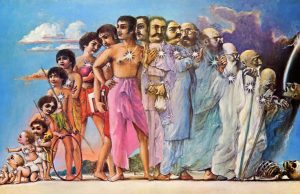
Karma and reincarnation are two key concepts in Hinduism. Karma refers to the belief that every action has a corresponding reaction, while reincarnation refers to the belief that a soul is reborn into a new body after death. These concepts are closely intertwined, as the actions of a person in one life will determine their fate in the next.
What is Karma?
Karma is a Sanskrit word that means “action.” In Hinduism, karma refers to the belief that every action has a corresponding reaction. This reaction can be either positive or negative, and it will determine the person’s fate in the next life.
There are three types of karma: Sanchita karma is the sum of all the karma that a person has accumulated in all of their past lives. Prarabdha karma is the karma that a person is currently experiencing in this life. Kriyamana karma is the karma that a person is creating in this life.
Sanchita karma is like a seed that has been planted. It will eventually sprout and bear fruit, either good or bad. Prarabdha karma is like a tree that is growing. It is the result of past actions, and it cannot be changed. Kriyamana karma is like a new seed that is being planted. It will determine the person’s fate in the next life.
What is Reincarnation?
Reincarnation is the belief that a soul is reborn into a new body after death. In Hinduism, reincarnation is seen as a way to work off the karma that a person has accumulated in their past lives.
The type of body that a person is reborn into is determined by their karma. If a person has accumulated good karma, they will be reborn into a higher caste or family. If a person has accumulated bad karma, they will be reborn into a lower caste or family.
Reincarnation is not limited to humans. Animals, plants, and even inanimate objects can be reborn into new bodies.
The Relationship Between Karma and Reincarnation
Karma and reincarnation are closely intertwined. The actions of a person in one life will determine their fate in the next. This is because karma is like a seed that is planted. It will eventually sprout and bear fruit, either good or bad.
Reincarnation is like a way to work off the karma that a person has accumulated in their past lives. By living a good life and accumulating good karma, a person can improve their fate in the next life.
Conclusion
Karma and reincarnation are two key concepts in Hinduism. Karma refers to the belief that every action has a corresponding reaction, while reincarnation refers to the belief that a soul is reborn into a new body after death. These concepts are closely intertwined, as the actions of a person in one life will determine their fate in the next.
By understanding karma and reincarnation, we can learn to live our lives in a way that will lead to a better future. We can learn to make choices that will benefit us in the long run, and we can avoid making choices that will lead to suffering.
Secondary Keywords
karma, reincarnation, Hinduism, past lives, future lives, sanchita karma, prarabdha karma, kriyamana karma