Karma and Ethics: A Comparative Study of Hinduism and Other Religions
Introduction
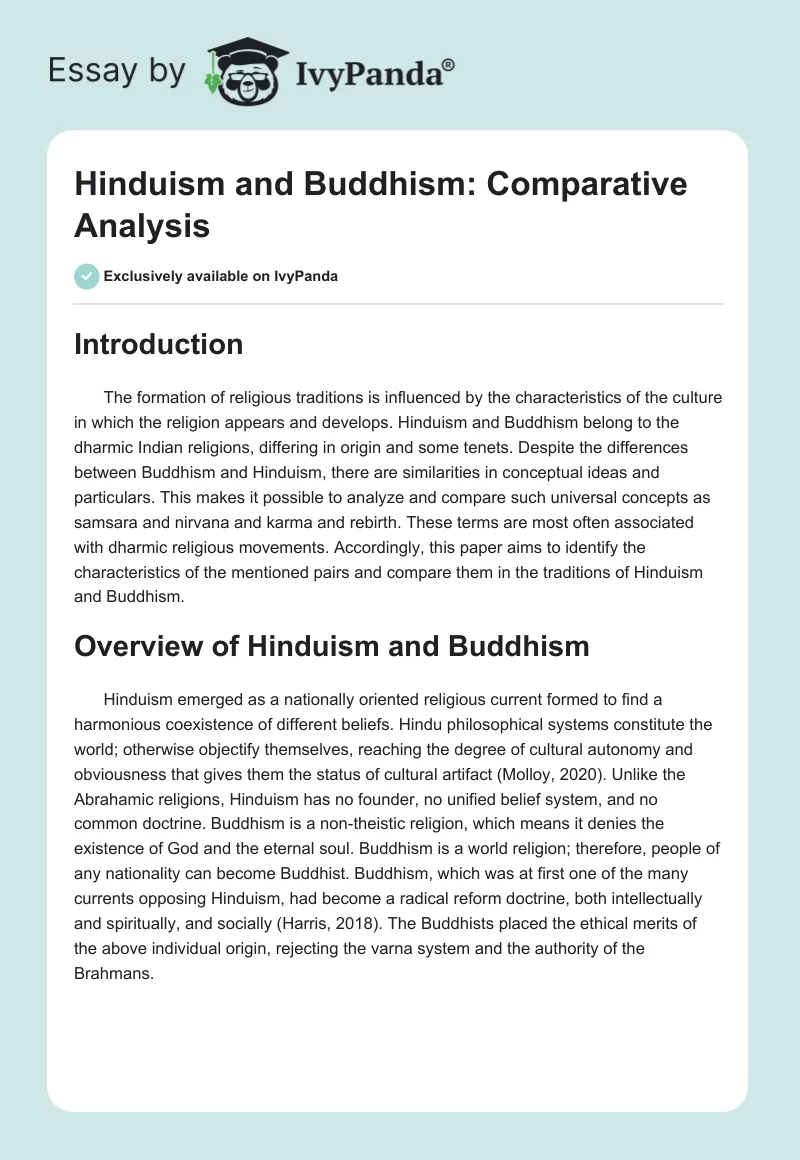
Karma and ethics are two fundamental concepts that have shaped the moral and spiritual beliefs of many religions around the world. This paper presents a comparative study of karma and ethics in Hinduism, Buddhism, Christianity, and Islam, exploring their similarities and differences in terms of definition, scope, and implications for individual conduct.
Definition of Karma
Hinduism: Karma is the principle that every action, whether physical, verbal, or mental, has consequences that determine the future experiences and circumstances of an individual. These consequences can be positive or negative, and they accumulate over multiple lifetimes.
Buddhism: Karma is similar to the Hindu concept, emphasizing the idea that actions and intentions create karmic consequences that shape future experiences. However, Buddhism places less emphasis on the concept of rebirth and more on the immediate consequences of one’s actions in the present life.
Christianity: Karma is not a central concept in Christianity, as it does not emphasize the idea of reincarnation or the accumulation of karmic consequences over multiple lifetimes. Instead, ethical conduct is seen as a response to the teachings of Christ and the belief in salvation through faith in God.
Islam: Karma is not a specific term in Islam, but the concept of retribution for actions is present in the teachings of the Quran. However, it is typically understood in terms of rewards and punishments in the afterlife rather than the accumulation of karmic consequences in this life.
Scope of Karma
Hinduism: Karma encompasses all actions and intentions, both positive and negative. It determines not only the individual’s future experiences but also their caste and social status in this life.
Buddhism: Karma extends to all actions and thoughts, with an emphasis on the intention and motivation behind the action. It shapes not only future experiences but also the individual’s progress on the path to enlightenment.
Christianity: Ethical conduct is primarily focused on following the Commandments and the teachings of Christ, which provide guidance for individual actions and interactions with others.
Islam: The scope of retribution in Islam is limited to actions that are explicitly prohibited or prescribed by Islamic law. It is not believed to extend to all thoughts and intentions.
Implications for Individual Conduct
Hinduism: The belief in karma encourages individuals to perform good deeds and avoid wrongdoing, as they know that their actions will have consequences in this life and beyond. It also reinforces the idea of social hierarchy and the acceptance of one’s situation.
Buddhism: The principle of karma emphasizes personal responsibility for one’s actions and encourages ethical conduct based on compassion and wisdom. It promotes the idea of working diligently to improve one’s karma and achieve enlightenment.
Christianity: Ethical conduct in Christianity is motivated by love for God and neighbor. Individuals are called to follow Christ’s example and live a virtuous life, not out of a fear of punishment but out of a desire to do what is right.
Islam: The concept of retribution encourages individuals to obey Islamic law and avoid sinful actions. It serves as a deterrent against wrongdoing and reinforces the importance of social harmony and conformity.
Similarities and Differences
Similarities:
- All religions recognize the importance of ethical conduct and the consequences of actions.
- The concepts of karma and retribution emphasize the principle of justice and the need for individuals to take responsibility for their actions.
Differences:
- The definition of karma varies, with some religions emphasizing the accumulation of karmic consequences over multiple lifetimes and others focusing on the immediate consequences of present actions.
- The scope of karma also differs, with some religions encompassing all actions and intentions and others limiting it to specific prohibited or prescribed actions.
- The motivations for ethical conduct vary, ranging from fear of punishment to love for God or the pursuit of enlightenment.
Conclusion
Karma and ethics are fundamental concepts that shape the moral and spiritual beliefs of many religions. While there are similarities in the emphasis on ethical conduct and the consequences of actions, there are also significant differences in the definition, scope, and implications of these concepts. Understanding these differences can provide insights into the diverse ethical and spiritual perspectives that exist in different religious traditions.## Karma And Ethics: A Comparative Study Of Hinduism And Other Religions.
Executive Summary
Karma is a central concept in Hinduism and other Eastern religions, referring to the belief that an individual’s actions in this life will determine their fate in future lives. This concept of karma is closely intertwined with ethics, as it suggests that individuals are morally responsible for their actions and that their choices will have consequences. In this article, we will explore the concept of karma and ethics in Hinduism and compare it to other religions, such as Christianity and Buddhism.
Introduction
Karma is a Sanskrit word that means “action” or “deed.” In Hinduism, karma is believed to be a universal law of cause and effect, governing not only an individual’s present life but also their future lives. According to the law of karma, every action, whether good or bad, will have corresponding consequences. Good actions will lead to positive results, while negative actions will lead to negative results.
FAQs
- What is the purpose of karma?
- How does karma work?
- Can karma be changed?
Karma And Ethics in Hinduism
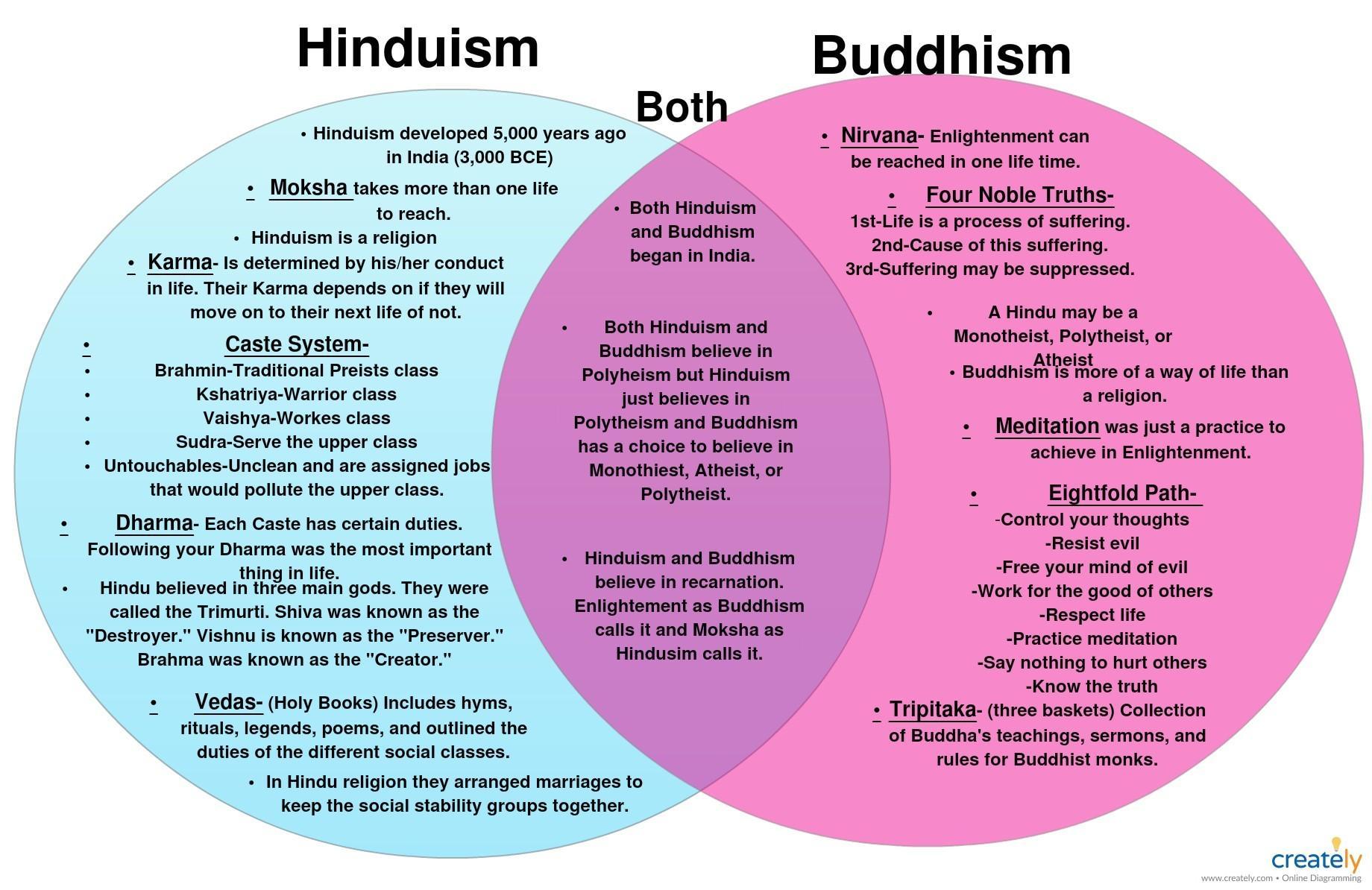
- Dharma: Dharma is a central concept in Hinduism, referring to the ethical and moral duties of individuals. It is believed that each individual has a unique dharma, based on their caste, gender, and stage of life. Dharma is closely related to karma, as it suggests that individuals should act in accordance with their dharma in order to achieve good karma.
- The Four Purusharthas: The four purusharthas are the four goals of human life in Hinduism: dharma (righteousness), artha (wealth), kama (pleasure), and moksha (liberation). Karma is closely related to the pursuit of these goals, as it is believed that good karma will lead to the attainment of these goals.
- The Cycle of Birth and Rebirth: Hindus believe in the cycle of birth and rebirth, known as samsara. Karma is believed to determine an individual’s rebirth, with good karma leading to a higher rebirth and bad karma leading to a lower rebirth.
- The Law of Karma: The law of karma is based on the principle of cause and effect. Every action, whether good or bad, will have corresponding consequences. Good actions will lead to positive results, while negative actions will lead to negative results.
- The Role of Free Will: Hindus believe that individuals have free will and are responsible for their actions. However, the law of karma suggests that individuals’ choices will have consequences, both in this life and in future lives.
Karma And Ethics in Other Religions
Christianity: Christianity also emphasizes the importance of ethics and moral behavior. However, unlike Hinduism, Christianity does not believe in the concept of karma. Instead, Christians believe that individuals are saved from sin through the grace of God and that their eternal fate is determined by their acceptance of Jesus Christ as their savior.
Buddhism: Buddhism shares many similarities with Hinduism, including the belief in karma and the cycle of rebirth. However, Buddhism also emphasizes the importance of detachment from worldly desires and the pursuit of enlightenment. Buddhists believe that the goal of life is to achieve nirvana, a state of liberation from the cycle of rebirth.
Conclusion
The concept of karma and ethics is a complex and multifaceted one that has been explored by many religions. In Hinduism, karma is believed to be a universal law of cause and effect, governing not only an individual’s present life but also their future lives. According to the law of karma, every action, whether good or bad, will have corresponding consequences. Good actions will lead to positive results, while negative actions will lead to negative results.
Keyword Tags
- Karma
- Ethics
- Hinduism
- Christianity
- Buddhism