====== Religious Art ======
The Power of Religious Art: Exploring the Divine Through Symbolism, Imagery, and Ritual
Religious art, transcending the boundaries of culture and time, has played a pivotal role in the expression and preservation of spiritual beliefs, serving as a bridge between the earthly and the divine. From the enigmatic cave paintings of Lascaux to the majestic stained-glass windows of medieval cathedrals, religious art has captured the imagination and inspired awe in countless hearts.
The Language of Symbolism: Unlocking the Hidden Meanings
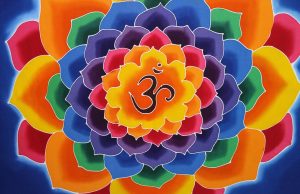
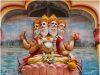
Religious art is a visual tapestry woven with layers of symbolism, each element imbued with profound meaning. In the Hindu tradition, the Om symbol, representing the primordial sound of creation, holds immense power and is believed to contain the essence of all existence. Similarly, the Swastika, an ancient symbol of good luck and prosperity, signifies the eternal cycle of birth, death, and rebirth. The Lotus, a flower revered in many cultures, symbolizes purity, transformation, and enlightenment.
Unveiling the Power of Imagery: Portraying the Divine and the Sacred
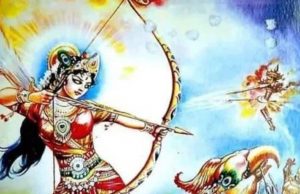
Religious art often depicts sacred figures and narratives, creating a visual connection between the viewer and the divine. In Christian art, the crucifixion is a poignant reminder of Jesus’ sacrifice, while the Madonna and Child portray the love and compassion of the Virgin Mary. Buddhist art features the serene figure of Buddha, symbolizing the path to enlightenment, while Islamic art adorns mosques and palaces with intricate geometric patterns, reflecting the unity and harmony of the universe.
Rituals and Ceremonies: Embodied Expressions of Faith
Religious art is not merely confined to static depictions; it often serves as an integral part of rituals and ceremonies. In Native American cultures, sand paintings are created for healing and spiritual guidance, while masks are worn during sacred dances to embody the spirits of ancestors and animals. In Tibetan Buddhism, mandalas are meticulously crafted from colored sand, representing the universe and aiding in meditation.
The Enduring Legacy: Religious Art as a Timeless Treasure
Religious art is an enduring testament to the human quest for the divine, spanning centuries and civilizations. Its influence extends beyond the confines of religious institutions, enriching the broader cultural landscape. Paintings, sculptures, architecture, and other forms of artistic expression inspired by religious beliefs have shaped social values, influenced political ideologies, and ignited intellectual debates.
Conclusion
Religious art, with its profound symbolism, captivating imagery, and ritualistic significance, offers a unique window into the spiritual experiences of humanity. It transcends cultural boundaries, connecting people of all faiths in the pursuit of the divine. Whether it adorns sacred spaces or graces museum walls, religious art continues to inspire, challenge, and enrich our understanding of the world and our place within it.
Secondary Keywords:
- Sacred Art
- Christian Art
- Buddhist Art
- Hindu Art
- Islamic Art