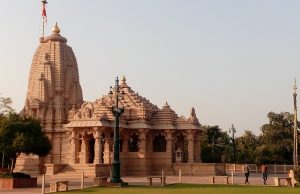
Unveiling the Importance of Sacred Sites: A Journey Through Pilgrimage and Spirituality
Sacred sites hold a profound significance in many cultures and religions, including Hinduism. For centuries, pilgrims have embarked on journeys to these revered destinations, seeking spiritual enlightenment, divine connection, and a deeper understanding of their faith. In Hinduism, sacred sites are believed to be imbued with a divine presence, making them ideal places for pilgrimage and spiritual practices.
The Essence of Pilgrimage: A Path to Spiritual Growth
Pilgrimage, a central tenet of Hinduism, involves a purposeful journey to a sacred site with the intention of spiritual purification, renewal, and transformation. Pilgrims believe that by visiting these holy places, they can connect with the divine, offer prayers, perform rituals, and seek blessings. The journey itself becomes an act of worship, a physical and spiritual endeavor that transcends ordinary experiences.
Sacred Sites: A Tapestry of Cultural Significance
Sacred sites in Hinduism are diverse and numerous, each carrying its unique history, mythology, and spiritual significance. From ancient temples nestled amidst towering mountain ranges to revered rivers flowing through sacred landscapes, each site holds a special place in the hearts of devotees. Some of the most notable sacred sites in Hinduism include:
-
Varanasi (Kashi): Located on the banks of the holy Ganges River, Varanasi is one of the oldest and most revered cities in Hinduism. It is believed to be the abode of Lord Shiva and is considered a particularly sacred place to die and achieve moksha (liberation).
-
Haridwar: Situated at the foothills of the Himalayas, Haridwar is another sacred city known as the “Gateway to God.” It is home to the Ganges River, which is considered to be the most sacred river in Hinduism.
-
Rameshwaram: Located on an island off the coast of Tamil Nadu, Rameshwaram is known for its ancient temple dedicated to Lord Shiva. It is believed that Lord Rama visited Rameshwaram to worship Lord Shiva before his journey to Sri Lanka.
-
Tirupati: Nestled in the hills of Andhra Pradesh, Tirupati is home to the Sri Venkateswara Swamy Temple, dedicated to Lord Vishnu. It is one of the most visited pilgrimage sites in India, attracting millions of devotees each year.
-
Puri: Situated on the Bay of Bengal, Puri is known for its Jagannath Temple, dedicated to Lord Jagannath, a form of Lord Vishnu. The annual Rath Yatra festival, where Lord Jagannath is carried on a chariot, attracts massive crowds of pilgrims.
The Benefits of Pilgrimage: A Journey of Transformation
Pilgrimages to sacred sites offer numerous benefits for devotees:
-
Spiritual Renewal: Spending time at sacred sites provides an opportunity to disconnect from the mundane world and connect with the divine. Devotees can immerse themselves in religious practices, recite mantras, and engage in meditation, fostering a deeper connection with their faith.
-
Personal Transformation: The physical and mental challenges of pilgrimage can lead to personal growth and transformation. By stepping outside of their comfort zones, pilgrims can develop resilience, humility, and a stronger connection to their inner selves.
-
Cultural Enrichment: Sacred sites are often steeped in history and cultural significance. By visiting these places, pilgrims can gain a deeper understanding of their culture and heritage, fostering a sense of belonging and identity.
-
Social Connection: Pilgrimages often involve traveling with fellow devotees, creating a sense of community and shared purpose. Pilgrims can connect with each other, share experiences, and support one another on their spiritual journey.
Conclusion: Embracing the Sacred Journey
Sacred sites hold a profound significance in Hinduism, serving as destinations for pilgrimage, spiritual growth, and cultural exploration. Whether it’s the ancient temples of Varanasi, the sacred waters of the Ganges River, or the revered shrines scattered throughout India, these places offer travelers an opportunity to transcend the ordinary and embark on an extraordinary journey of self-discovery and spiritual enlightenment. As pilgrims have done for centuries, we can continue to seek solace, renewal, and transformation within the sacred spaces that lie at the heart of our spiritual traditions.
Secondary Keywords:
- Pilgrimage in Hinduism
- Spiritual Significance of Sacred Sites
- Hinduism Sacred Places
- Religious Importance of Sacred Sites
- Cultural Heritage of Sacred Sites