Sacredness: A Journey Through the Divine and the Profound
Introduction
Have you ever wondered about the concept of sacredness? What makes a place, an object, or even a person sacred? Throughout history, humans have attributed sacredness to various aspects of their lives, from the natural world to religious symbols and rituals. In this article, we will delve into the multifaceted nature of sacredness, exploring its origins, manifestations, and significance.
The Origins of Sacredness
The concept of sacredness can be traced back to our earliest ancestors. In primitive societies, people believed that the natural world was imbued with spirits and deities. Certain places, such as caves, springs, and mountains, were considered sacred because they were believed to be the dwelling places of these supernatural beings. As civilizations developed, the concept of sacredness evolved and expanded. In ancient religions, temples, shrines, and other religious structures were designated as sacred spaces where rituals and ceremonies were performed to honor the gods.
Manifestations of Sacredness
Sacredness can manifest itself in various forms:
- Natural Sacredness: The natural world is often seen as a source of sacredness. Mountains, rivers, forests, and other natural features have been revered as sacred by many cultures throughout history. These places are often associated with spiritual experiences and are believed to possess a unique energy or power.
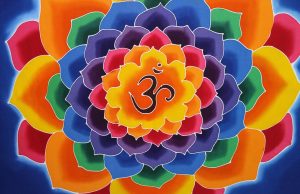
- Religious Sacredness: Religious traditions have played a significant role in defining and shaping the concept of sacredness. Temples, mosques, churches, and other religious structures are considered sacred because they are dedicated to the worship of a particular deity or spiritual being. Religious objects, such as idols, relics, and scriptures, are also considered sacred and are often used in religious rituals and ceremonies.
- Personal Sacredness: Sacredness can also be found in personal experiences and relationships. Certain individuals, such as spiritual teachers, gurus, or saints, are often revered as sacred because they are believed to embody wisdom, compassion, or other divine qualities. Similarly, personal belongings, such as family heirlooms or cherished memories, can take on a sacred significance for individuals.
The Significance of Sacredness
Sacredness plays a vital role in human societies:
- Spiritual Connection: Sacred places, objects, and individuals serve as a bridge between the physical world and the spiritual realm. They provide a space for individuals to connect with the divine, whether through prayer, meditation, or other spiritual practices.
- Moral Compass: Sacred traditions often provide moral guidelines and ethical principles that shape human behavior. By recognizing the sacredness of certain actions or ideals, societies can cultivate values such as compassion, honesty, and respect for the environment.
- Cultural Identity: Sacred symbols, rituals, and beliefs often form an integral part of cultural identity. They provide a sense of belonging and shared values within a community and contribute to the preservation of cultural heritage.
Conclusion
Sacredness is a complex and multifaceted concept that has permeated human societies throughout history. It is rooted in our deepest beliefs and emotions, connecting us to the divine, guiding our moral actions, and shaping our cultural identities. By understanding the nature and significance of sacredness, we can gain a deeper appreciation for the richness and diversity of human experience and the profound connection between the material world and the spiritual realm.
Secondary Keywords:
sanctity, holiness, reverence, divine, spiritual