====== Spiritual Beliefs: A Comprehensive Guide ======
Introduction
Spiritual beliefs are a deeply personal and diverse aspect of human existence, encompassing various practices, rituals, and doctrines that seek to connect individuals with a higher power or spiritual realm. They play a significant role in shaping our values, purpose, and sense of meaning in life. In this article, we will delve into the fascinating world of spiritual beliefs, exploring their origins, practices, and impact on our lives.
The Origins of Spiritual Beliefs
Spiritual beliefs have been a fundamental part of human civilization for millennia. Archaeological evidence suggests that early humans engaged in spiritual practices such as burials with grave goods, cave paintings, and the creation of religious artifacts. These beliefs often emerged from the need to explain the unknown, such as natural phenomena, life and death, and the origins of the universe.
Different Types of Spiritual Beliefs
Today, there is a vast array of spiritual beliefs, each with its unique practices and teachings. Some of the most prominent include:
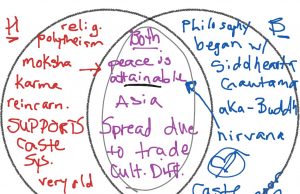
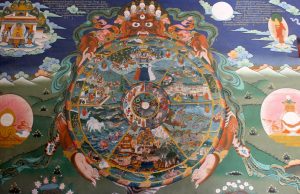
- Organized Religions: Major religions such as Christianity, Islam, Judaism, Buddhism, and Hinduism have established doctrines, scriptures, and structured systems of worship and practices.
- Indigenous Beliefs: Many indigenous cultures around the world hold spiritual beliefs deeply connected to their land, ancestors, and natural surroundings.
- Esoteric Traditions: Esoteric traditions, such as Kabbalah, Gnosticism, and Hermeticism, focus on hidden or secret teachings that seek to access deeper spiritual knowledge.
- New Age Spirituality: New Age spirituality emphasizes personal growth, self-discovery, and alternative healing practices, often incorporating elements from different spiritual traditions.
Core Principles of Spiritual Beliefs
While spiritual beliefs vary widely, they often share certain core principles:
- The Existence of a Higher Power: Many spiritual beliefs posit the existence of a divine being or force that governs the universe.
- The Importance of Connection: Spiritual practices often aim to connect individuals with the divine, with nature, or with their own inner selves.
- The Pursuit of Meaning: Spiritual beliefs often provide a framework for understanding life’s challenges and finding purpose and meaning in existence.
- Ethical Guidelines: Many spiritual traditions emphasize ethical behavior and compassion towards others.
Practices and Rituals
Spiritual beliefs are often expressed through various practices and rituals, such as:
- Meditation: Mindfulness meditation is a common practice in many spiritual traditions, allowing individuals to connect with their inner selves and cultivate inner peace.
- Prayer: Prayer is a form of communication with a higher power or deity, expressing gratitude, asking for guidance, or offering praise.
- Rituals: Rituals are symbolic actions or ceremonies that hold spiritual significance, such as baptisms, weddings, and funerals.
- Sacred Texts: Many spiritual traditions have holy books or scriptures that contain teachings, stories, and prophecies believed to be inspired by a higher power.
The Impact of Spiritual Beliefs
Spiritual beliefs have a profound impact on individuals and societies:
- Personal Growth and Well-Being: Spiritual practices can foster inner peace, reduce stress, and promote a sense of purpose and meaning.
- Community Building: Spiritual communities provide a sense of belonging and support, fostering relationships and promoting positive social values.
- Ethical Decision-Making: Spiritual teachings often emphasize ethical behavior, guiding individuals in making choices that align with their beliefs about right and wrong.
- Culture and History: Spiritual beliefs have shaped cultures and civilizations throughout history, influencing art, literature, music, and social norms.
Conclusion
Spiritual beliefs are a diverse and ever-evolving aspect of human experience. They provide individuals with a sense of connection, purpose, and meaning in life. While spiritual practices vary widely, they often share core principles that emphasize the existence of a higher power, the importance of personal growth, and the pursuit of ethical behavior. Whether expressed through organized religion, indigenous beliefs, or alternative traditions, spiritual beliefs continue to play a significant role in shaping our lives and connecting us with the wider world.
Secondary Keywords
spiritual beliefs, spiritual practices, organized religions, indigenous beliefs, esoteric traditions, new age spirituality, meditation, prayer, rituals, sacred texts, personal growth, well-being, community building, ethical decision-making, culture, history