Vaishnavism: Unveiling the Significance of Narayana in Hindu Tradition
Introduction
Hinduism, an ancient and multifaceted religion, encompasses a vast array of beliefs and practices. One of the most significant traditions within Hinduism is Vaishnavism, which centers around the worship of Lord Narayana. In this article, we will delve into the essence of Vaishnavism, exploring the identity of Narayana and the reasons behind his revered status in the Hindu faith.
Who is Narayana?
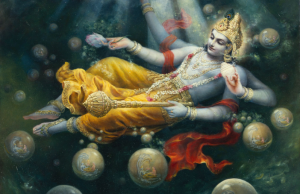
Lord Narayana is the supreme deity in Vaishnavism, considered the embodiment of the highest reality and the source of all existence. He is often referred to as Vishnu, the protector, and is believed to sustain the universe through his infinite power and compassion.
Narayana is depicted in Hindu scriptures as having four arms, representing his omnipotence and his ability to manifest as different avatars, or incarnations, to fulfill specific divine missions. His blue complexion symbolizes his boundless nature, while the conch shell, discus, lotus flower, and mace he holds in his hands represent his divine attributes of sound, time, purity, and strength.
Why Hindus Worship Narayana
Hindus worship Narayana for numerous reasons, centering around his role as the protector and sustainer of the universe. Here are some key reasons behind the veneration of Lord Narayana:
-
Preservation and Maintenance: Narayana is believed to manifest himself in the form of Vishnu to protect and preserve the universe from chaos and destruction. He is the upholder of dharma, the cosmic order, and ensures the harmonious functioning of the world.
-
Creator and Source: In Vaishnavism, Narayana is not only the protector but also the creator of all existence. He is said to be the source from which all things manifest and ultimately return to.
-
Divine Guidance and Grace: Hindus believe that Narayana bestows his blessings and guidance upon his devotees. Through prayers, rituals, and devotional practices, individuals seek his divine favor to overcome obstacles, gain spiritual enlightenment, and attain salvation.
-
Avatars: Throughout history, Narayana has incarnated himself as various avatars, including Rama, Krishna, and Narasimha, to fulfill specific roles and restore the balance between good and evil. These avatars serve as role models and exemplify the qualities of compassion, courage, and devotion.
-
Salvation and Enlightenment: The ultimate goal of Vaishnavism is to achieve moksha, or liberation from the cycle of birth and death. By worshipping Narayana and following his teachings, devotees strive to transcend the material world and experience the supreme divine reality.
Practices and Beliefs in Vaishnavism
Vaishnavism encompasses a wide range of practices and beliefs, including:
-
Bhakti Yoga: The path of devotion, involving practices such as chanting the names of Narayana, singing devotional songs, and offering prayers.
-
Karma Yoga: The path of action, emphasizing the importance of selfless service and ethical behavior.
-
Jnana Yoga: The path of knowledge, seeking enlightenment through philosophical inquiry and meditation.
-
Temples and Pilgrimage: Vaishnavism is associated with numerous temples dedicated to Lord Narayana, and pilgrimage to these sacred sites is considered a significant spiritual undertaking.
Conclusion
Vaishnavism, centered around the worship of Lord Narayana, is a profound and multifaceted tradition within Hinduism. Hindus venerate Narayana as the supreme deity, protector, and source of all existence. Through devotional practices, ethical living, and spiritual inquiry, Vaishnavas seek to connect with the divine and ultimately attain salvation. The teachings and principles of Vaishnavism continue to inspire and guide millions of Hindus around the world, offering a path towards spiritual growth and liberation.
Secondary Keywords:
- Vishnu
- Avatar
- Moksha
- Bhakti Yoga
- Temples in Vaishnavism