Vedic Texts: The Ancient Wisdom of India
The Vedic texts are a vast collection of ancient Sanskrit scriptures that hold immense spiritual and cultural significance in Hinduism. These texts provide a comprehensive insight into the beliefs, practices, and philosophies of the Vedic civilization, which flourished in ancient India.
What are the Vedic Texts?
The Vedic texts are primarily composed of four major collections:
- Rigveda: A collection of hymns and prayers dedicated to various deities.
- Yajurveda: A collection of liturgical texts for sacrificial rituals.
- Samaveda: A collection of melodies and chants used in rituals.
- Atharvaveda: A collection of hymns and spells used for various purposes, including healing, protection, and curses.
The Significance of the Vedic Texts
The Vedic texts offer profound insights into the following aspects:
- Spiritual Knowledge: They contain teachings on the nature of the divine, the concept of reincarnation, and the path to liberation.
- Ethical Guidelines: They provide guidance on morality, conduct, and the duties of individuals within society.
- Social Organization: They shed light on the structure and organization of Vedic society, including caste systems and social hierarchies.
- Scientific Knowledge: While not primarily scientific, the Vedas do contain observations on astronomy, mathematics, and the natural world.
- Literary and Artistic Inspiration: The Vedic texts have greatly influenced Indian art, music, and literature throughout history.
The Vedic Symbolism
The Vedic texts are rich in symbolic imagery, many of which have become iconic symbols in Hindu culture. Here are a few examples:
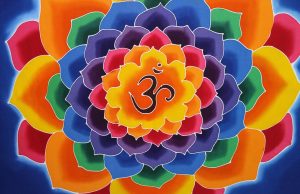
- Om: The sacred syllable representing the divine vibration and the cosmic sound of creation.
- Swastika: An ancient symbol of good fortune and prosperity, often associated with Lord Vishnu.
- Lotus: A symbol of purity, beauty, and spiritual awakening, often associated with Goddess Lakshmi.
Key Concepts in the Vedic Texts
- Brahman: The ultimate reality, the universal consciousness from which all existence emanates.
- Atman: The individual soul, a part of the Brahman that resides within each being.
- Karma: The law of cause and effect, which governs the consequences of an individual’s actions.
- Samsara: The cycle of birth, death, and rebirth, from which one seeks liberation.
- Moksha: The ultimate goal of the spiritual journey, the liberation from the cycle of Samsara.
Conclusion
The Vedic texts are a treasure trove of ancient wisdom that continue to guide and inspire individuals in their spiritual, ethical, and cultural lives. Their significance extends far beyond the realm of Hinduism, having left a profound impact on Indian civilization and world history.