
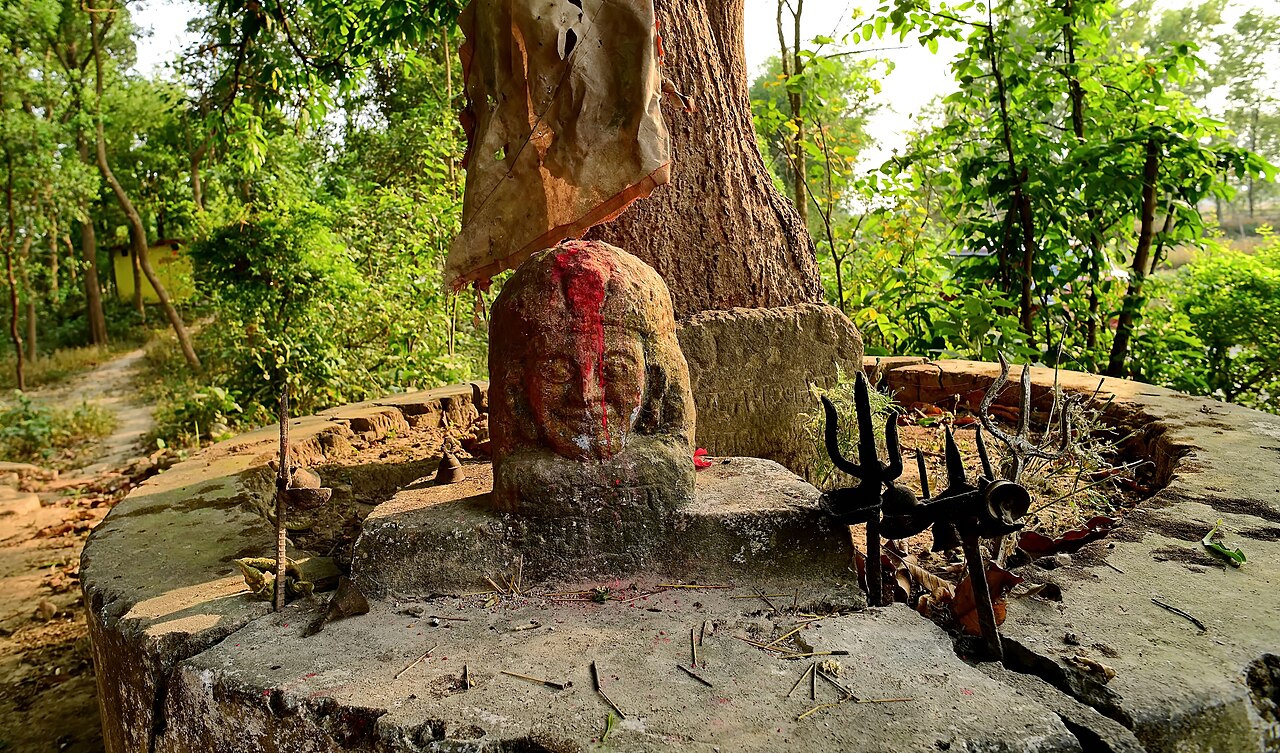
For centuries, nestled amidst the bustling landscapes of India, lie pockets of tranquility—the sacred groves. These patches of pristine forest, often small and unassuming, hold a profound significance that transcends their ecological value. They are revered as living embodiments of ancient wisdom, where spirituality and nature intertwine, protected by local communities for generations.
I remember my first encounter with a sacred grove in the foothills of the Himalayas. The air hung heavy with the scent of damp earth and blooming jasmine. Sunlight filtered through the dense canopy, casting an ethereal glow on the moss-covered stones. It felt like stepping into a timeless sanctuary, a place where the whispers of the past mingled with the rustling leaves.
The concept of sacred groves is deeply rooted in India’s cultural and spiritual tapestry. These groves, often dedicated to local deities or ancestral spirits, are seen as places of immense power and sanctity. They are not just forests; they are living libraries of traditional ecological knowledge, repositories of biodiversity, and vital links to a past where humans lived in harmony with nature.
Cultural and Spiritual Significance: A Tapestry of Beliefs
India’s sacred groves are as diverse as its cultures. Across the country, these groves are known by different names: Kavu in Kerala, Deorai in Rajasthan, Sarna in Jharkhand, and Lai Umang in Manipur, to name just a few. Each grove holds a unique story, shaped by the beliefs and practices of the communities that protect them.
In many groves, specific rituals and traditions are followed to honor the resident deity. These might include offerings of flowers, fruits, or incense, or the performance of traditional dances and songs. Often, there are taboos associated with the groves, such as prohibitions against cutting trees, hunting, or even entering the grove without permission.
These beliefs and practices, passed down through generations, have played a vital role in protecting the sacred groves from human exploitation. They reflect a deep respect for nature and an understanding of the interconnectedness between human well-being and the health of the environment.
Biodiversity Hotspots: A Treasure Trove of Life
Beyond their cultural significance, sacred groves are biodiversity hotspots, harboring a wealth of plant and animal life. These groves often serve as refuges for rare and endangered species, providing a safe haven amidst the increasing pressures of habitat loss and fragmentation.
Studies The Importance of Sacred Natural Sites for Biodiversity Conservation have shown that sacred groves harbor a greater diversity of species compared to surrounding areas. They are home to a wide array of medicinal plants, trees, shrubs, herbs, insects, birds, reptiles, and even mammals. The dense vegetation and undisturbed soil provide ideal conditions for a variety of life forms to thrive.
In a world where forests are disappearing at an alarming rate, sacred groves stand as islands of biodiversity, preserving genetic resources and providing valuable ecosystem services. They are living laboratories for scientists, offering insights into the intricate workings of nature and the resilience of ecosystems.
Threats to Sacred Groves: Modernity’s Encroachment
Despite their cultural and ecological importance, sacred groves are facing increasing threats in the 21st century. Rapid urbanization, agricultural expansion, and the demand for timber and other forest products are putting pressure on these fragile ecosystems.
I remember visiting a sacred grove in southern India that had been severely fragmented by encroaching farmland. The once-dense forest was reduced to a small patch of trees, surrounded by fields of sugarcane. The sense of serenity and tranquility that I had experienced in other groves was replaced by a feeling of sadness and urgency.
In some cases, the traditional beliefs and practices that have protected sacred groves are weakening as communities become more integrated into the modern world. Younger generations may not share the same reverence for the groves as their elders, and economic pressures can sometimes override cultural values.
Conservation Efforts: A Blend of Tradition and Science
Recognizing the vital importance of sacred groves, conservation efforts are underway across India, blending traditional knowledge with modern scientific approaches.
Government agencies, non-governmental organizations, and local communities are working together to protect these fragile ecosystems. Efforts include:
- Legal Protection: Some sacred groves are now protected under national and state laws, recognizing their cultural and ecological significance.
- Community-Based Conservation: Many conservation programs involve empowering local communities to manage and protect their sacred groves. This includes providing training in sustainable resource management and promoting eco-tourism initiatives.
- Scientific Research: Researchers are studying the biodiversity of sacred groves and the ecological services they provide. This information is used to inform conservation strategies and raise awareness about the importance of these ecosystems.
The challenge lies in finding a balance between preserving tradition and adapting to the demands of a changing world.
The Future of Sacred Groves: Balancing Tradition and Modernity
The future of India’s sacred groves lies in finding a harmonious balance between tradition and modernity. As India continues to develop economically, it’s crucial to integrate conservation into development plans, ensuring that sacred groves are not sacrificed for short-term gains.
Education and awareness-raising are essential to instill a sense of responsibility and respect for sacred groves among younger generations. UNESCO’s Sacred Groves Initiative.
Eco-tourism can be a powerful tool for promoting conservation, providing economic incentives for communities to protect their sacred groves while allowing visitors to experience the cultural and ecological richness of these sites.
Visiting Sacred Groves: Experiencing the Magic
Visiting a sacred grove is an opportunity to step into a realm where nature and spirituality converge. It’s a chance to witness the power of traditional ecological knowledge, the beauty of biodiversity, and the enduring bond between humans and their environment.
Imagine wandering through a grove of ancient trees, their branches reaching towards the sky like gnarled fingers. The air is alive with the sounds of birdsong and the rustling of leaves. Sunlight filters through the canopy, casting dappled patterns on the forest floor. You feel a sense of peace and tranquility, a connection to something ancient and profound.
It’s an experience that can stay with you long after you leave the grove.
If you’re planning a trip to India, I encourage you to seek out these hidden gems. Explore the Biodiversity of India’s Western Ghats.
However, remember to approach these sites with respect and humility. Sustainable Tourism in India: Respecting Nature and Culture.
Follow local customs, seek permission before entering, and avoid disturbing the delicate balance of nature.
Embracing Ancient Wisdom, Shaping a Sustainable Future
India’s sacred groves are not just relics of the past; they are beacons of hope for the future. They remind us of the power of traditional knowledge, the importance of community-based conservation, and the interconnectedness between human well-being and the health of the planet.
By embracing the wisdom embedded in these sacred spaces, we can learn to live in greater harmony with nature and create a more sustainable future for generations to come.