The Essential Conclusion: Why Forgiveness Completes the Ritual
After spending hours in ritual, chanting hundreds of mantras, and performing elaborate pūjā (worship), why is the very last step always a prayer for forgiveness? Because the true essence of devotion is not in perfection of form, but in humility of heart.
The mantra “Kara Charana Kṛtam Vā” is the single most important component of the Śiva Aparādha Kṣamāpaṇa Stotram (Hymn for Seeking Forgiveness of Offences to Shiva). It is a universal act of spiritual contrition, a final, essential surrender that closes the gap between the flawless nature of the Divine and the error-prone nature of the human being.
Its profound importance is recognized across all Vedic traditions, making it the final, non-negotiable step in completing any act of worship, especially those dedicated to Lord Shiva, the Dāyā Sāgara (Ocean of Compassion).
The Anatomy of Error: A Prayer for Total Accountability
The mantra beautifully and systematically lists every single way a human being can commit an error, covering actions performed through the body, speech, and mind. This comprehensive accountability is what gives the prayer its incredible depth:
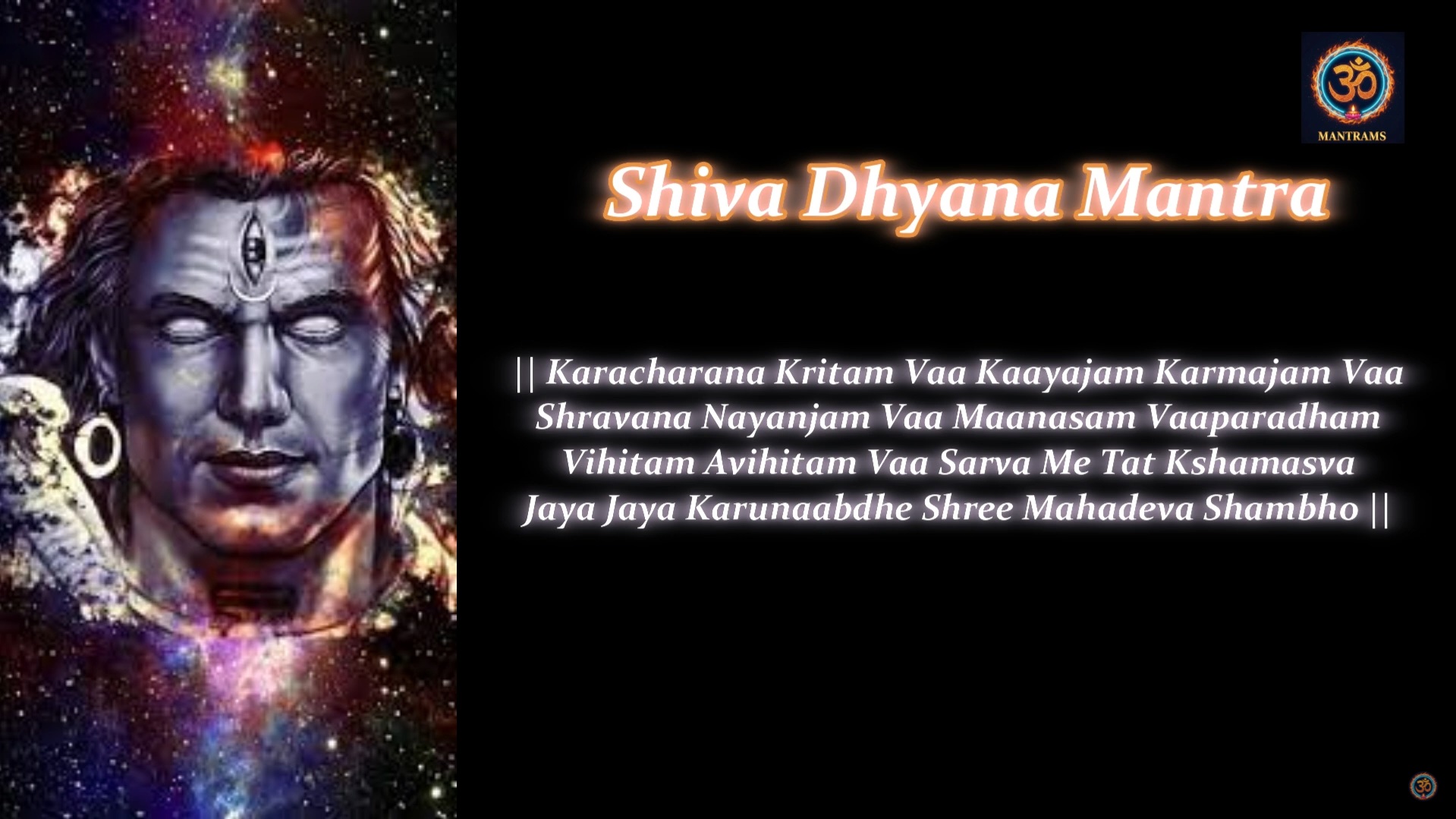
Kara-Caraṇa kṛtaṁ vā, kāya-jaṁ karma-jaṁ vā
Śravaṇa-nayana-jaṁ vā, mānasam vā aparādham
Vihitam-avihitaṁ vā, sarvam etat kṣamasva
Jaya Jaya karuṇābdhe Śrī Mahādeva Śambho
Let’s break down the layers of error we seek forgiveness for:
– Actions of the Body (Kara-Caraṇa Kṛtam Vā, Kāya-jaṁ): Mistakes done physically with the hands, feet, or body. Example: An incorrect posture, a lapse in ritual steps, or physical impatience.
– Actions of the Mind (Mānasam Vā): Errors born entirely of thought. Example: A moment of distraction, arrogance, negative thinking, or doubt while chanting.
– Actions of the Senses (Śravaṇa-Nayana-jaṁ): Mistakes committed through our senses of hearing and sight. Example: Seeing a distraction, or hearing an unnecessary conversation while meditating.
– Action and Inaction (Vihitam-Avihitaṁ Vā): This is the deepest layer. Vihitaṁ are mistakes made by doing something wrong (sin of commission). Avihitaṁ are mistakes made by not doing what should have been done (sin of omission), like forgetting a crucial step in the Pūjā.
The prayer concludes by summarizing all these errors—conscious and unconscious—with one powerful request: Sarvam etat kṣamasva (“Please forgive all of this”).
The Ultimate Surrender: Karuṇābdhe Śrī Mahādeva
The final line of the mantra is not a demand; it is a loving appeal to the very nature of Shiva:
Jaya Jaya karuṇābdhe Śrī Mahādeva Śambho
“Victory, Victory, O Ocean of Compassion, Great God, O Śambhu (Giver of Bliss).”
By calling him the Ocean of Compassion (Karuṇābdhe), the devotee shifts the focus from their own flawed actions to the unlimited mercy of the Divine. We recognize that Shiva’s grace is so vast that our human shortcomings are insignificant in comparison.
The Transformative Benefits of Contrition
Reciting this mantra daily, even outside of a formal ritual, provides immense spiritual benefit:
- Securing the Fruit (Phalam): In Vedic tradition, a flaw in the procedure (Pūjā) invalidates the result. This final prayer ensures that despite all known and unknown errors, the Pūjā is accepted, and its spiritual benefit is secured.
- Humility and Self-Awareness: It builds Ātma-Jñāna (self-knowledge) by forcing the devotee to confront their own imperfection, thereby dissolving the ego that says, “My worship was perfect.”
- Inner Peace: It grants immediate emotional release. By submitting all errors to the Divine Ocean of Compassion, the devotee is freed from the burden of guilt and worry.
The Kara Charana Kṛtam Vā mantra is the spiritual safety net. It teaches us that the path to the Divine is not about flawless execution, but about sincere, humble surrender to the boundless mercy of Lord Mahadeva.




. Learn how this prayer completes any ritual by seeking forgiveness for all conscious and unconscious mistakes.)