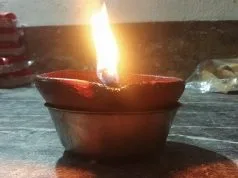
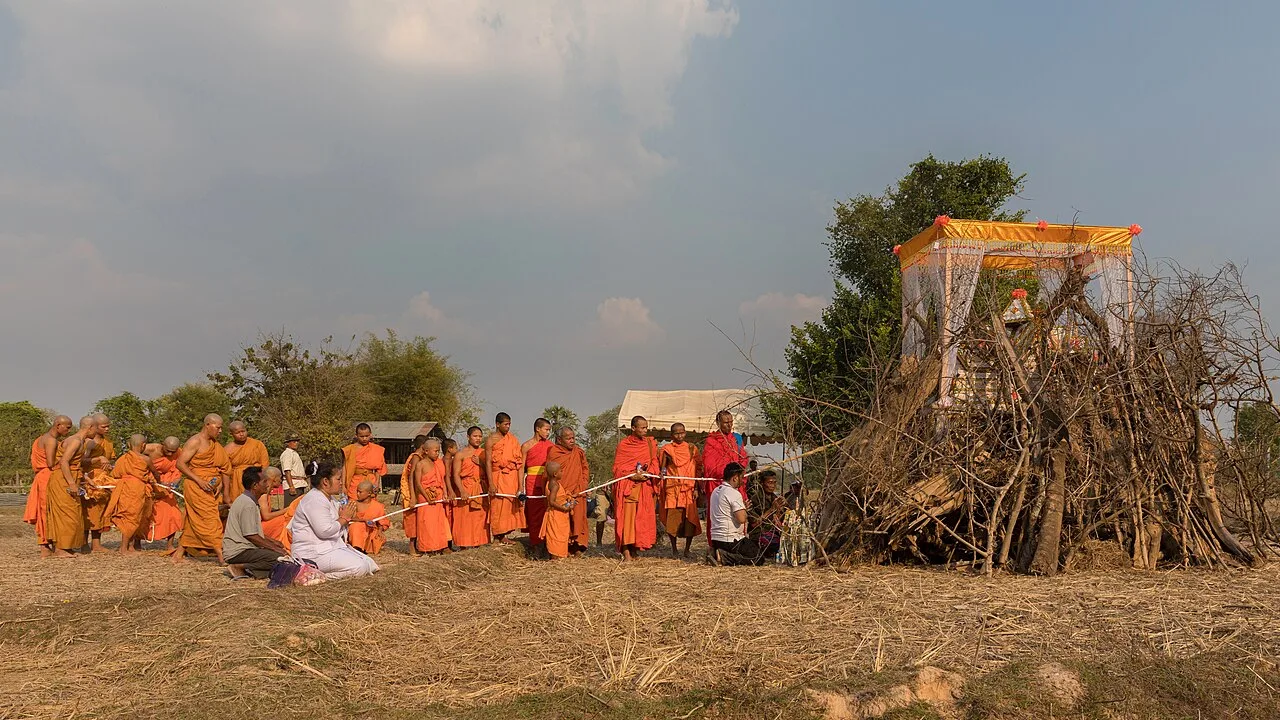
Soot on the ceiling fan at 7:00 AM on a Tuesday. That is the reality check nobody posts on Instagram when talking about modern fire rituals. You bought a small copper bowl, grabbed some random twigs from the yard, poured half a tub of store-bought ghee over it, and now your smoke alarm is screaming while your living room smells like an industrial chemical fire. Not quite the transcendent ancient portal you had in mind.
In our field audits of modern domestic rituals, we see the same avoidable mess repeatedly. People treat sacred fire like a campfire pit, dumping arbitrary materials into an unvented apartment. If you want to honor Agni without triggering the sprinkler system or poisoning your lungs with micro-particulates, you need to look at the chemistry of combustion and historical protocol.
- Ghee Quality Matters: Only use pure A2 desi cow ghee. Adulterated vegetable fats release acrolein, a pungent and toxic eye irritant.
- Particle Control: Keep wood fuel dry, aged, and under two inches in length to ensure complete combustion without heavy black soot.
- Synthetic Ban: Never burn synthetic resins, chemical camphor, or commercial incense sticks with bamboo cores indoors.
The Cold Math of Indoor Combustion
Here is the reality of urban or suburban home altars: you are working in a sealed HVAC environment. Every gram of material you drop into that flame has to go somewhere. It either converts cleanly into carbon dioxide and water vapor, or it deposits sticky, carcinogenic creosote onto your drywall.
When texts specify precise offerings, they aren’t just making arbitrary rules. They are dictating clean-burning fuels that match the BTU output of a small vessel. Let’s break down what actually works versus what creates a Hazmat situation in your den.
| Offering Type | Combustion Cleanliness | Practical Verdict |
|---|---|---|
| Pure Desi Cow Ghee | High (Complete burn if heated properly) | The gold standard. Use sparingly via a copper spoon. |
| White Sesame Seeds (Til) | Medium-High (Pops slightly, minimal smoke) | Excellent for specific sankalpas. Mix with dry jaggery in tiny amounts. |
| Commercial Camphor (Pooja Kapoor) | Low to Medium (Often petrochemical-based) | Source 100% pure bhimseni camphor or skip it entirely. |
| Wet or Treated Timber | Terrible (Heavy particulate emission) | Instant fail. Will choke your entire household. |
Selecting Safe Wood and Herb Profiles
Big mistake: grabbing wet pine or scrap construction lumber from the garage. Pine is loaded with sticky sap that spits burning embers across the room and creates thick, greasy black smoke. Construction wood is often pressure-treated with copper chromium arsenate. Burning that indoors is a fast track to neurological distress.
Stick exclusively to aged, kiln-dried sacred woods like specific cuts of mango, sandalwood, or samidha sticks that have zero chemical treatments. They should snap cleanly, not bend. When you light them, the flame should stabilize within thirty seconds without needing lighter fluid. If you need petroleum-based accelerants to start your ritual, your fuel preparation is fundamentally broken.
📊 Real-World Monthly Payment & True Cost Calculator
LIVE INTERACTIVE UTILITYHerbal offerings require similar discipline. Raw herbs purchased from standard grocery spice aisles are often irradiated or coated in storage preservatives. Source clean, organic dried herbs (such as guggulu or dried rose petals) from trusted botanical suppliers. Grind them into coarse powders rather than fine dust. Fine dust creates a literal flash-fire effect when dropped onto embers, causing sudden thermal spikes that crack unglazed ceramic or thin copper vessels.
Managing the Physical Setup
You do not need a massive sacrificial pit to build a working relationship with Agni. A 6-inch to 8-inch square copper homa kundam placed on a non-flammable slate tile is more than sufficient for modern urban spaces. Elevate the vessel slightly to protect your altar table from conductive heat transfer.
Keep a dedicated brass extinguisher plate and a small container of dry sand nearby. Not because your house is guaranteed to burn down, but because respecting the element means maintaining absolute operational control. If the smoke gets heavy, you have overloaded the vessel. Drop your offering size by 70%. Agni responds to consistency, not to volumetric excess.
Drop the ego around making massive, dramatic fires indoors. Keep the flame steady, clear, and quiet. That is where sustainable, daily practice actually lives.
Frequently Asked Questions
Can I perform a fire ritual indoors safely?
Yes, provided you use a dedicated copper homa kundam, strictly limit the volume of material, and burn only pure substances like cow ghee and dry herbs without synthetic binders.
What are the best traditional offerings for Agni?
Pure desi cow ghee, white sesame seeds, dry wood like mango or sandalwood, and specific dried herbs like guggulu form the safest and most authentic offerings.
Why do modern incense sticks cause breathing issues during rituals?
Most commercial incense contains bamboo cores, synthetic fragrance oils, and charcoal accelerators that release toxic benzene and formaldehyde when burned indoors.
How do I measure the right amount of ghee to offer?
Keep portions to small drops delivered via a copper spoon. Over-pouring creates excessive smoke, soot buildup on ceilings, and puts out the flame completely.