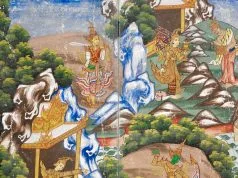
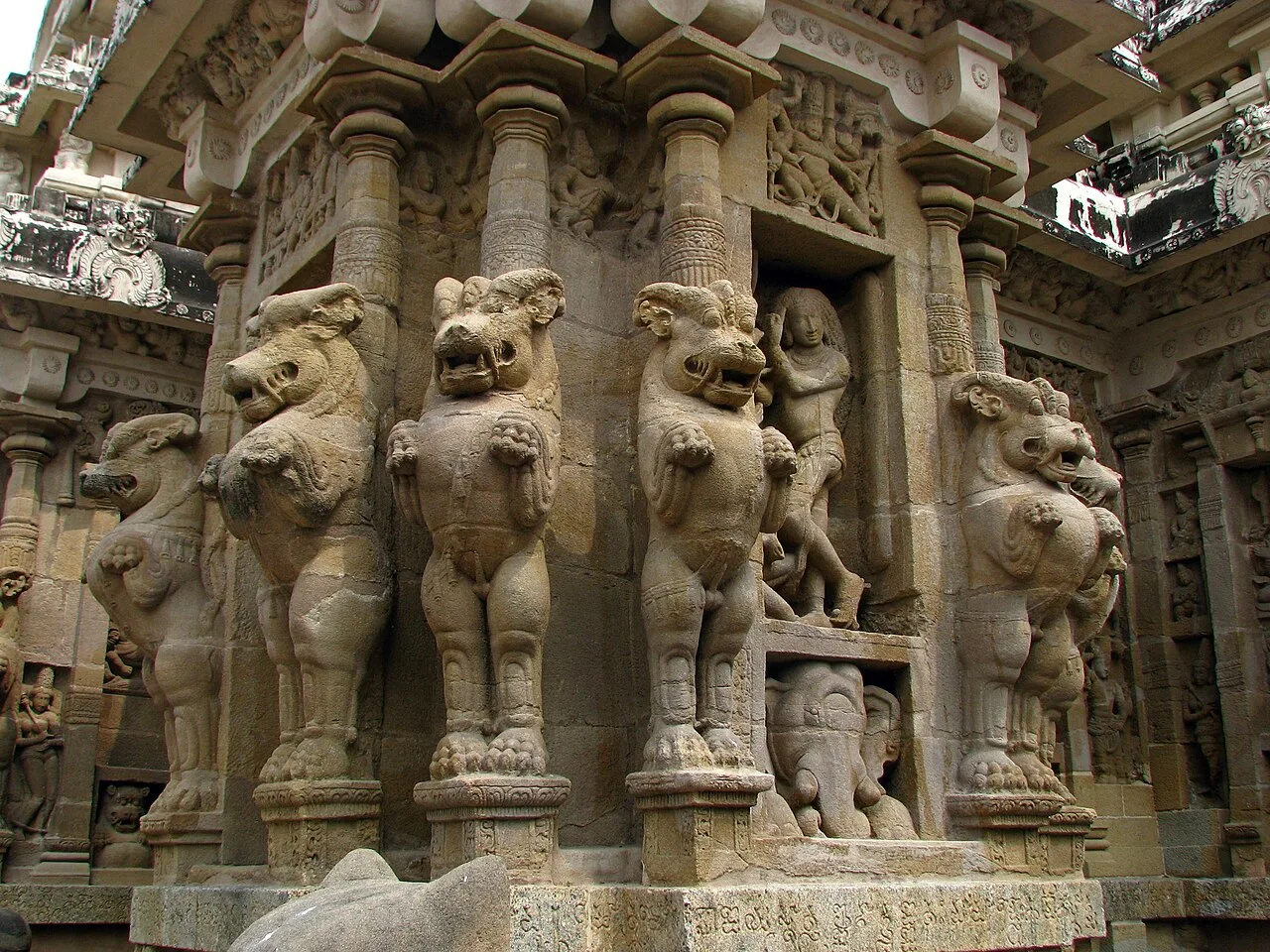
Forget the sanitized, poster-board summaries you see in modern pop-culture lists. When you dig into the actual texts—specifically the Bhagavata Purana—the mythology of Vishnu isn’t a neat little lineup of ten popular superheroes. It is an extensive, gritty catalog of 21 distinct cosmic interventions designed to fix structural failures in the universe.
In our textual audits and comparative scriptural breakdowns, people constantly confuse the localized manifestations with the major planetary epochs. Let us clear the ledger right now. Here is the unfiltered breakdown of the 21 primary avatars of Vishnu.
- The traditional Dashavatara represents only the major world-stage epochs; the 21 avatars include sages, kings, and cosmic mechanics.
- Not every avatar comes to fight demons; many arrive simply to restore lost sacred knowledge or structural physics of the universe.
- Texts like the Bhagavata Purana treat these manifestations as functional updates to a constantly degrading cosmic system.
The 21 Primary Manifestations Detailed
Let us look at the complete ledger of these manifestations as outlined in classical puranic literature. No fluff, just the functional purpose of each entry.
| Avatar | Primary Domain / Role | Core Purpose |
|---|---|---|
| 1. Sanat Kumaras | Eternal Celibate Sages | Established pure devotion and transcendental knowledge early in creation. |
| 2. Varaha | The Cosmic Boar | Rescued the earth from the primordial oceanic abyss after it was dragged down by Hiranyaksha. |
| 3. Narada | Divine Messenger & Sage | Collected and distributed cosmic intelligence across realms, inciting necessary historical shifts. |
| 4. Nara-Narayana | Twin Ascetic Sages | Demonstrated the ultimate power of rigorous penance, meditation, and self-control. |
| 5. Kapila | Philosopher & Founder | Outlined the foundational Samkhya philosophy detailing material creation and consciousness. |
| 6. Dattatreya | The Composite Guru | Fused the energies of Brahma, Vishnu, and Shiva to teach esoteric yoga and direct wisdom. |
| 7. Yajna | Lord of Sacrifices | Managed the administrative mechanics of cosmic rituals during the Svayambhuva Manvantara. |
| 8. Rishabha | The Ascetic King | Taught the path of absolute renunciation, inner peace, and detachment from material kingdoms. |
| 9. Prithu | The Sovereign Agronomist | Leveled the earth, extracted agriculture, and established sustainable civilization practices. |
| 10. Matsya | The Giant Fish | Preserved the Vedas, seeds of life, and Manu’s boat during the terminal planetary deluge. |
| 11. Kurma | The Cosmic Tortoise | Provided a stable fulcrum for the Mandara mountain during the churning of the cosmic ocean. |
| 12. Dhanvantari | Father of Ayurveda | Emerged with the jar of nectar, institutionalizing medicine and pharmacology for humanity. |
| 13. Mohini | The Enchantress | Deluded the Asuras to secure the distribution of the immortal nectar (Amrita) to the gods. |
| 14. Narasimha | Man-Lion Hybrid | Annihilated the tyrant Hiranyakashipu through a loophole in universal laws of protection. |
| 15. Vamana | The Dwarf Brahmin | Subdued King Bali’s cosmic ego by reclaiming the three worlds in three massive strides. |
| 16. Parasurama | Warrior Sage with Axe | Purged the tyrannical ruling warrior class (Kshatriyas) when they abused sovereign power. |
| 17. Vyasa | The Master Compiler | Divided the singular Veda into four distinct branches and authored the Puranas and Mahabharata. |
| 18. Rama | The Ideal King | Demonstrated the strict execution of duty (maryada) and defeated the rakshasa king Ravana. |
| 19. Balarama | The Agrarian Strongman | Provided raw physical infrastructure and agricultural grounding alongside Krishna’s strategy. |
| 20. Krishna | The Complete Manifestation | Delivered the Bhagavad Gita and re-engineered the geopolitical landscape during the Mahabharata war. |
| 21. Kalki | The Terminal Destroyer | Slated to appear at the absolute end of the Kali Yuga to wipe the slate clean and reboot the cycle. |
📊 Real-World Monthly Payment & True Cost Calculator
LIVE INTERACTIVE UTILITYDeconstructing the Functional Mechanics
Big mistake: treating these forms as mere mythological fiction or folklore. In traditional frameworks, each avatar represents a specific thermodynamic or systemic intervention. When the human experiment hits critical moral and systemic debt, the preservation mechanism triggers.
Look at Varaha and Matsya. Those aren’t just fairy tales about animals; they are literal structural audits of geological shifts and environmental preservation. When tectonic plates or ecological systems fail, the intervention matches the crisis. Flood? Send a giant fish. Landmass submerged? Send a massive boar.
Why Most Lists Fall Short
Casual readers stop at Rama and Krishna because modern media loves a neat blockbuster narrative. But ignoring entities like Kapila, Dhanvantari, or the Sanat Kumaras misses the entire framework of how knowledge and medicine were transferred to early civilizations. Vishnu doesn’t just show up with a sword; he shows up with a stethoscope via Dhanvantari and a textbook via Vyasa.
Walk away from the oversimplified top-10 lists. If you want to understand the architecture of Hindu cosmology, you have to audit all 21 iterations and look at the pattern of systemic repair.
Frequently Asked Questions
Are there 10 or 21 avatars of Vishnu?
While the Dashavatara (10 avatars) gets the mainstream spotlight, texts like the Bhagavata Purana list up to 22 or 24 primary manifestations, with 21 being a widely studied canonical grouping in specific traditional commentaries.
What is the primary purpose of Vishnu’s avatar manifestations?
According to Hindu theology, Vishnu incarnates specifically to restore cosmic order (dharma), annihilate malicious forces (adharma), and protect the righteous whenever cosmic imbalance reaches a crisis point.
Where are all the 21 avatars documented?
The bulk of these specific manifestations are cataloged in the Bhagavata Purana, specifically within the first and second cantos during the enumeration of Lila avatars.