
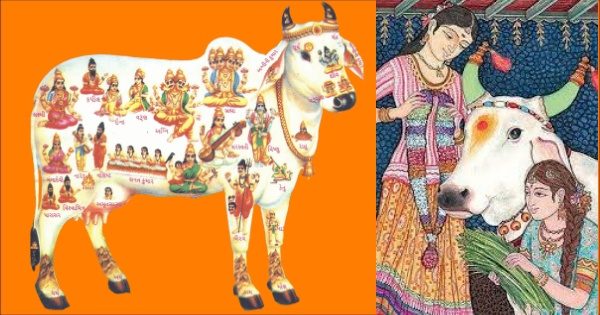
The Sacred Status of the Cow in Hinduism
The cow holds a profoundly sacred position in the Hindu religion, embodying a myriad of spiritual and cultural significance. Its reverence stems from ancient scriptures and traditions, deeply ingrained in the hearts and minds of devotees.
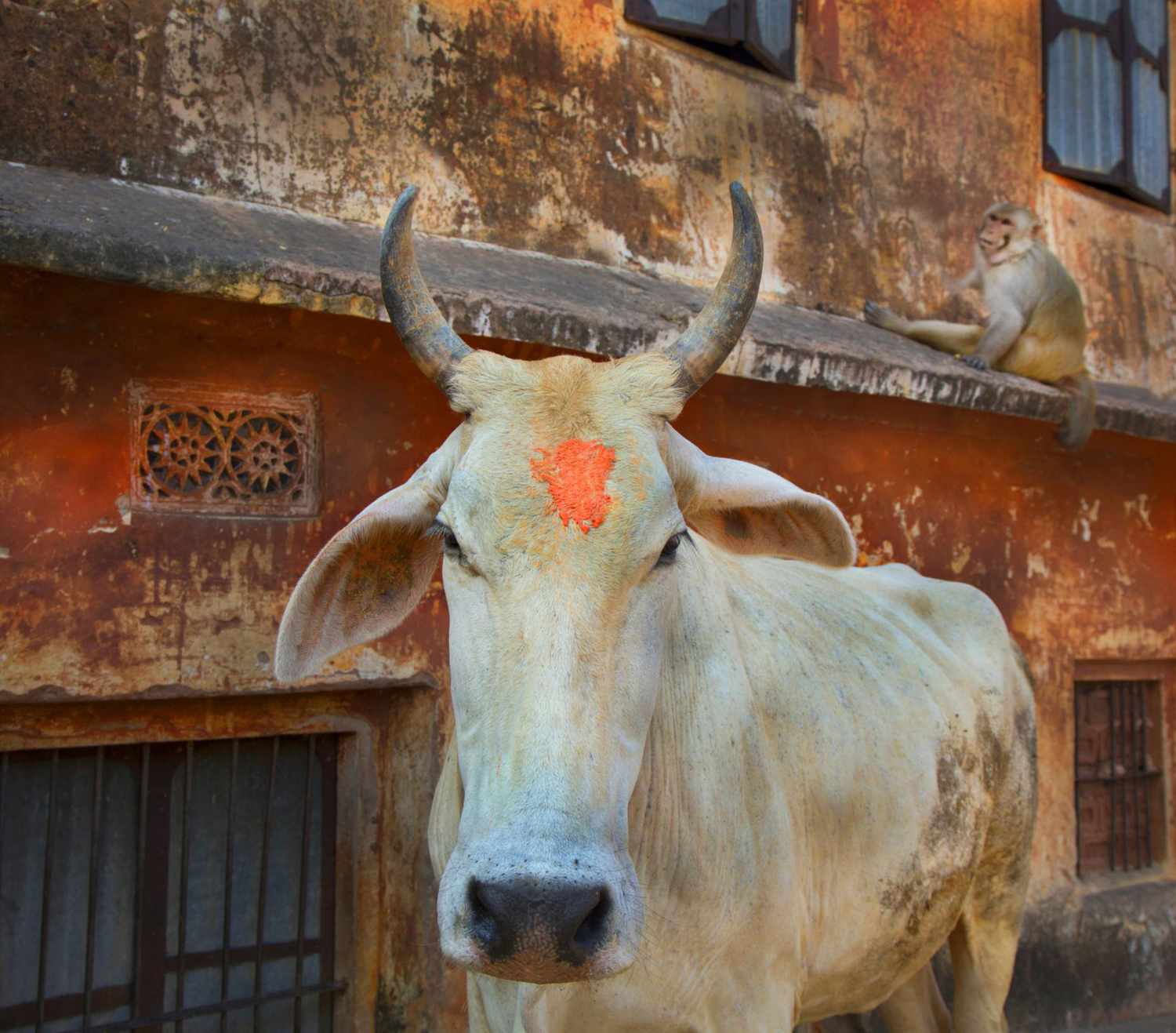
Mythological Origins
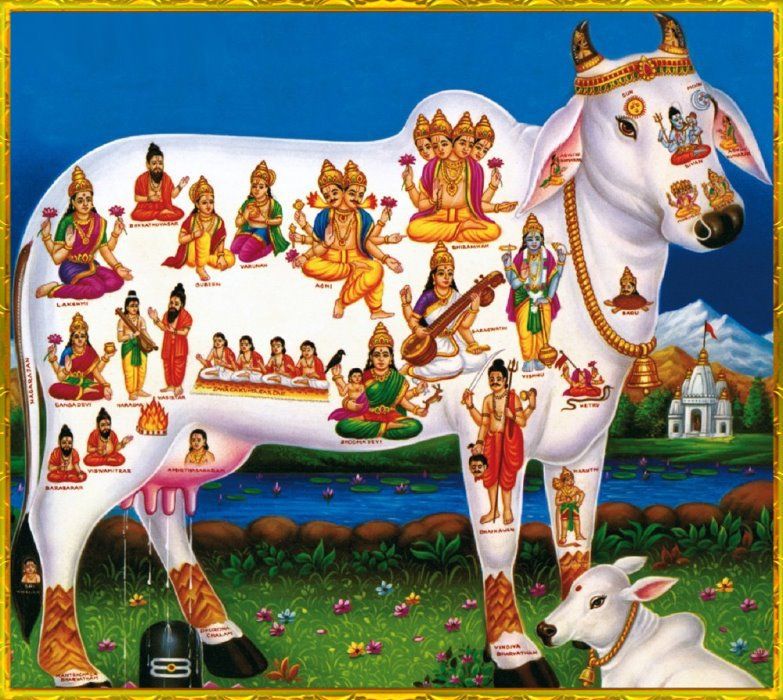
- Kamadhenu, the Wish-Fulfilling Cow: According to Hindu mythology, Kamadhenu emerged from the churning of the cosmic ocean during the Samudra Manthan. She is a divine cow that grants wishes and provides sustenance.
- Nandi, Lord Shiva’s Bull: Nandi, the white bull, is the gatekeeper of Lord Shiva’s abode, Mount Kailash. He represents strength, devotion, and a connection to the divine.
Practical Importance
- Source of Sustenance: Cows provide milk, ghee (clarified butter), and yogurt, which are essential staples in the Hindu diet. They also yield dung, used for fuel, fertilizer, and religious rituals.
- Agriculture: Cattle are vital for plowing fields, transporting goods, and providing draft power. They play a crucial role in sustaining agriculture and rural communities.
Religious Significance
- Gomata, the Divine Mother: The cow is often referred to as Gomata, meaning “mother cow.” She is revered as a symbol of motherhood, compassion, and selfless giving.
- Panchagavya: The five products derived from the cow (milk, ghee, curd, urine, and dung) are considered sacred and are used in various religious rituals and ceremonies.
- Respect for Life: Cows are believed to possess a sanctified soul and are to be treated with the utmost respect. Killing or harming them is considered a grave sin in most Hindu traditions.
Cultural Symbolism
- Prosperity and Abundance: Cows represent prosperity, good luck, and abundance in the Hindu society. They are often depicted in paintings, sculptures, and religious imagery.
- Peace and Purity: The cow is associated with peace, tranquility, and the purification of the mind and body. Its presence is believed to create a harmonious and sacred atmosphere.
Modern Relevance
- Environmental Protection: The respect for cows has led to the preservation of cattle in India, contributing to the conservation of biodiversity and maintenance of ecological balance.
- Economic Sustainability: Cow-based industries, such as dairy farming and organic agriculture, provide livelihoods for millions of people in rural areas.
- Cultural Heritage: The cow remains an integral part of Hindu identity and cultural heritage, connecting past generations to the present.
In conclusion, the sacred status of the cow in Hinduism is a complex and multifaceted phenomenon. It encompasses mythological origins, practical importance, religious significance, cultural symbolism, and modern relevance. The reverence for cows has shaped Indian society and culture for centuries, continuing to have a profound impact on the lives of Hindus today.The Role Of The Cow In Hinduism: Understanding Its Sacred Status
Executive Summary
The cow holds a profound and multifaceted significance in Hinduism, revered as a sacred embodiment embodying purity, nourishment, and divinity. This article explores the intricate cultural, religious, and ecological aspects that have shaped the cow’s revered status, delving into its integral role in Hindu society, rituals, and beliefs.
Introduction
In the tapestry of Hindu traditions and beliefs, the cow occupies a central position, symbolizing a myriad of virtues and sacred attributes. This reverence stems from the ancient Vedic scriptures and has permeated every aspect of Hindu life, from agriculture to religious ceremonies. Understanding the role of the cow in Hinduism provides a glimpse into the intricate web of cultural, spiritual, and environmental values that shape this ancient religion.
FAQs
- Why is the cow considered sacred in Hinduism?
- The cow is a symbol of purity, fertility, and the Earth’s bounty.
- It is believed to be a representation of the divine mother, Aditi.
- The cow’s milk is revered as a sacred elixir.
- What are some of the benefits of worshipping the cow?
- It is believed to bestow blessings, prosperity, and good fortune.
- Cows are seen as protectors against evil spirits and curses.
- Their presence purifies the environment and promotes spiritual growth.
- What are the consequences of harming a cow?
- It is considered a grave sin and can lead to dire consequences.
- Killing or injuring a cow is believed to incur the wrath of the gods.
- Such acts can result in spiritual impurities and negative karma.
Subtopics
The Cow as a Symbol of Purity and Spirituality
- A Symbol of Purity: Cows are believed to embody purity and are considered sacred in all respects.
- A Representation of the Earth: They are seen as symbols of the Earth and its bounty, representing both fertility and nourishment.
- A Divine Mother: The cow is often associated with Aditi, the divine mother, embodying the nurturing and protective qualities of the feminine principle.
- Giver of Ambrosia: The cow’s milk is revered as “amrita,” an elixir of immortality and a sacred offering in Hindu rituals.
- A Bridge Between Humans and the Divine: Cows are seen as mediators between humans and the divine, facilitating spiritual connection and bestowing blessings.
The Cow in Hindu Mythology and Scriptures
- Creation and Sustenance: In Hindu mythology, the cow is often associated with the creation of the universe and the sustenance of life.
- The Cow and Shiva: The god Shiva is known as Pasupati, “Lord of the Beasts,” and is particularly associated with the cow, which represents his power and fertility.
- The Cow and Lakshmi: The goddess Lakshmi, representing prosperity and abundance, is often depicted with a cow, symbolizing her ability to fulfill material and spiritual needs.
- The Cow in the Vedas: The Vedas, the ancient Hindu scriptures, contain numerous references to the cow’s sacred nature and its importance in rituals and daily life.
- The Cow in the Mahabharata: The epic Mahabharata narrates the story of the cowherd Krishna, whose divine presence transforms ordinary cows into objects of devotion.
The Cow in Hindu Rituals and Practices
- Cow Worship: Cows are revered in Hindu temples and are often given food and offerings to invoke divine blessings.
- Panchagavya: The five products of the cow (milk, yogurt, ghee, urine, and dung) are considered sacred and are used in various rituals and purifications.
- Gomatha: The practice of offering gratitude and respect to cows is known as gomatha and is considered an essential part of Hindu piety.
- Cow Protection: Hindus believe that it is their duty to protect cows from harm, ensuring their well-being and preventing their slaughter.
- Gauseva: The selfless service of cows, such as providing them with food and shelter, is considered a highly meritorious act and can lead to spiritual liberation.
The Cow in Ecology and Agriculture
- A Symbol of Sustainable Living: Cows play a vital role in sustainable agricultural practices, providing manure for crops, fuel for cooking, and transportation.
- A Source of Livelihood: Cows are an indispensable part of rural economies, providing a source of income and sustenance for millions of farmers.
- Environmental Benefactors: Cows help maintain ecological balance by grazing on vegetation, preventing wildfires and contributing to biodiversity.
- Cow Dung as a Resource: Cow dung is used as a natural fertilizer, improving soil fertility and promoting plant growth.
- Cow Urine as a Pest Repellent: Cow urine has antimicrobial and insecticidal properties and is used as a natural pest repellent in organic farming.
The Cow and Interfaith Dialogue
- A Common Symbol: The cow is revered not only by Hindus but also by many other religions, including Jainism, Sikhism, and Buddhism.
- A Bridge Across Cultures: The reverence for the cow can serve as a common ground for interfaith dialogue, promoting understanding and respect.
- An Advocate for Animal Welfare: The cow’s sacred status in Hinduism raises awareness about the importance of animal welfare, fostering compassion and ethical treatment of all creatures.
- A Symbol of Universal Love: The cow’s nurturing nature and unconditional love symbolize the universal love and compassion that transcends religious boundaries.
- A Call for Unity: The shared reverence for the cow can inspire interfaith cooperation and collaboration, fostering harmony and promoting a shared pursuit of peace and well-being.
Conclusion
The cow holds a profound and multifaceted significance in Hinduism, symbolizing purity, nourishment, and divinity. Its sacred status is deeply rooted in cultural traditions, religious beliefs, and ecological practices, shaping the very fabric of Hindu society. By understanding the role of the cow in Hinduism, we gain a deeper appreciation for the intricate tapestry of beliefs and values that define this ancient religion. Moreover, the cow’s revered status serves as a reminder of the interconnectedness between humanity, the environment, and the divine, fostering a sense of love, compassion, and universal unity.
Keyword Tags
- Cow in Hinduism
- Sacred Cow
- Purity and Spirituality
- Hindu Mythology
- Environmental Benefits