The Hindu Concept of Samadhi: Experiencing Union with the Ultimate Reality
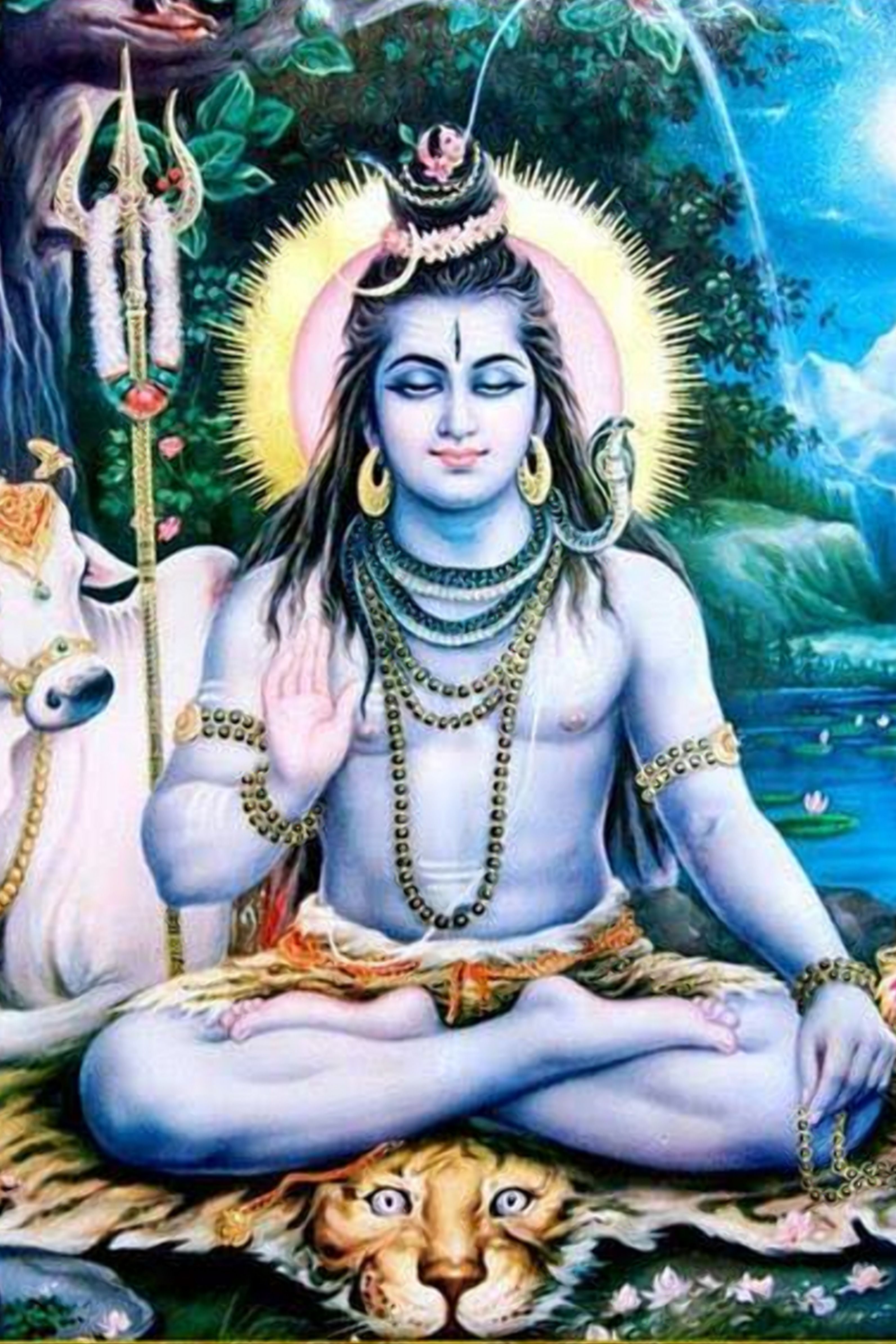
Samadhi is a Sanskrit term that refers to a state of profound spiritual absorption and realization in which the individual transcends their ego and experiences union with the ultimate reality. It is considered to be the highest goal of yoga and meditation and is seen as a means of achieving liberation from the cycle of reincarnation.

Types of Samadhi
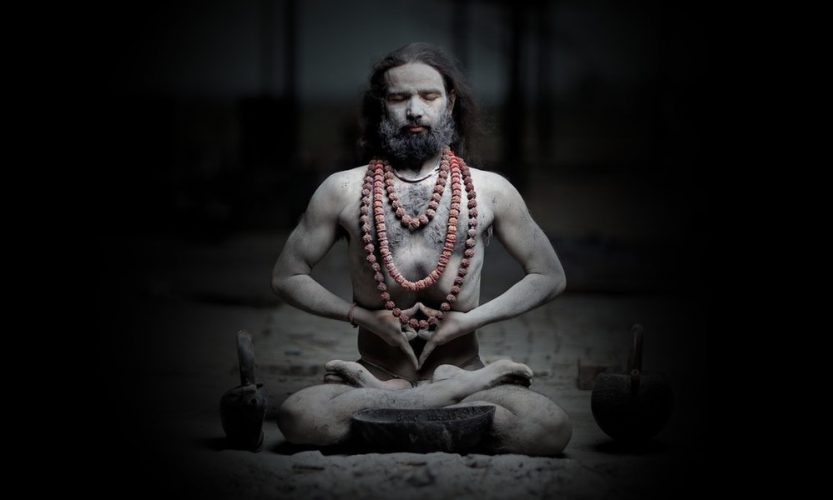
There are various types of Samadhi, each with its unique characteristics:
- Savikalpa Samadhi: A state of concentration in which the mind still retains some level of duality and distinction between the self and the object of meditation.
- Nirvikalpa Samadhi: A state of complete absorption in which the mind transcends duality and experiences the ultimate reality as a non-dual, undifferentiated whole.
- Sahaja Samadhi: A state of continuous enlightenment or realization that becomes a permanent aspect of one’s consciousness, even in everyday life.
Stages of Samadhi
According to the Yoga Sutras of Patanjali, Samadhi is achieved through eight stages:
- Yama: Ethical guidelines such as non-violence, truthfulness, and non-stealing
- Niyama: Personal observances such as cleanliness, contentment, and self-study
- Asana: Physical postures
- Pranayama: Breath control
- Pratyahara: Withdrawal of the senses
- Dharana: Concentration
- Dhyana: Meditation
- Samadhi: Union with the ultimate reality
Attaining Samadhi
The attainment of Samadhi is not an easy task and requires sustained practice, dedication, and guidance from a qualified spiritual teacher. Here are some key practices that can help facilitate the experience:
- Meditation: Regular meditation practice helps calm the mind, increase concentration, and cultivate a sense of inner peace.
- Yoga: Yoga postures, breathing techniques, and meditative practices can prepare the body, mind, and energy system for deeper levels of absorption.
- Self-inquiry: Reflecting on one’s thoughts, feelings, and motivations can help identify and remove obstacles to Samadhi.
- Devotion: Cultivating a deep connection to the divine can inspire and guide the journey towards Samadhi.
- Surrender: Letting go of expectations and attachments can create the space for a more open and receptive state of mind.
Benefits of Samadhi
Experiencing Samadhi can bring a wide range of benefits, including:
- Liberation from suffering: By transcending duality and the illusion of separation, Samadhi leads to the realization of true self and the cessation of all forms of suffering.
- Enhanced awareness: Samadhi deepens one’s connection to the present moment, bringing increased clarity, insight, and awareness.
- Bliss and peace: Union with the ultimate reality brings a profound sense of bliss, contentment, and inner peace.
- Spiritual transformation: Samadhi can initiate a profound transformation of one’s entire being, leading to a life of greater love, compassion, and understanding.
Samadhi is an elusive but transformative experience that embodies the core of Hindu spirituality. Through dedication, practice, and surrender, individuals can strive towards this ultimate goal and discover the boundless depths of their being.## The Hindu Concept Of Samadhi: Experiencing Union With The Ultimate Reality
Executive Summary
Samadhi, a profound state of consciousness in Hindu philosophy, represents the ultimate goal of yoga and meditation practices. It is a state of deep meditative absorption where the individual transcends the limitations of the ego and experiences a profound connection with the divine or Ultimate Reality. This article explores the multifaceted concept of Samadhi, including its types, benefits, practices, and transformative power, providing a comprehensive understanding of this central tenet in Hindu spirituality.
Introduction
In the vast tapestry of Hindu philosophy, Samadhi occupies a central position, embodying the highest level of spiritual attainment and the ultimate goal of yoga and meditation practices. It is a state of profound meditative absorption where the individual transcends the boundaries of the ego and experiences a direct, unmediated connection with the divine or Ultimate Reality. Samadhi is not merely a state of mental tranquility but a transformative experience that has the power to alter the very fabric of one’s being, leading to a lasting state of inner peace, clarity, and wisdom.
FAQs
What is the difference between Samadhi and Samadhi-like states?
Samadhi refers to a heightened state of consciousness characterized by an intense and sustained connection with the divine, while Samadhi-like states are temporary experiences that may resemble Samadhi but lack its depth and transformative power.
Can anyone achieve Samadhi?
Samadhi is a gradual process that requires sustained spiritual practice, including meditation, yoga, and ethical conduct. While it is not limited to the highly advanced, it does necessitate a genuine commitment and dedicated effort.
What are the benefits of Samadhi?
Samadhi brings numerous benefits, including heightened awareness, expanded consciousness, profound peace, increased intuition, and a deep sense of connection with the divine.
Subtopics
1. Levels of Samadhi
Samadhi is often classified into various levels, each representing a progressive deepening of meditative absorption:
- Savikalpa Samadhi: The lowest level, characterized by the presence of subtle mental activity and perception of duality.
- Nirvikalpa Samadhi: A higher level, where all mental activity ceases, and the mind experiences a complete void.
- Sahaja Samadhi: The highest and most enduring level, where Samadhi becomes an effortless and constant state of consciousness.
2. Practices to Achieve Samadhi
Various practices can facilitate the attainment of Samadhi:
- Yoga: Asanas, pranayama, and other yogic techniques help purify the body, calm the mind, and prepare the individual for deeper states of meditation.
- Meditation: Regular meditation practices, such as mindfulness meditation and transcendental meditation, help cultivate mental clarity, reduce distractions, and promote deep relaxation.
- Ethical Conduct: Adhering to ethical guidelines and engaging in selfless actions creates a conducive environment for spiritual growth and prepares the mind for Samadhi.
3. Benefits of Samadhi
Samadhi brings numerous physical, mental, and spiritual benefits:
- Physical Benefits: Reduced stress, improved immune system, and enhanced healing abilities.
- Mental Benefits: Heightened awareness, increased creativity, and expanded consciousness.
- Spiritual Benefits: Deep connection with the divine, a profound sense of peace, and a transformative shift in perception.
4. Obstacles to Samadhi
Various obstacles can hinder the attainment of Samadhi:
- Mental Distractions: Wandering thoughts and emotional disturbances can disrupt meditation and prevent deep absorption.
- Physical Discomfort: Bodily discomfort, such as pain or fatigue, can make it challenging to maintain a meditative focus.
- Ego Attachments: Clinging to the ego or the sense of self can create a barrier between the individual and the Ultimate Reality.
5. The Transformative Power of Samadhi
Samadhi has a profound transformative effect on the individual:
- Spiritual Awakening: Samadhi provides a direct experience of the divine, leading to a deep understanding of the unity and interconnectedness of all things.
- Mental Clarity: It purifies the mind, eliminating confusion and enhancing clarity of thought and perception.
- Emotional Equanimity: Samadhi cultivates emotional stability and resilience, reducing reactivity and facilitating a peaceful state of being.
Conclusion
Samadhi, the ultimate goal of Hindu yoga and meditation practices, represents a profound state of consciousness where the individual experiences union with the Ultimate Reality. It is a transformative experience that brings numerous physical, mental, and spiritual benefits, including deep peace, heightened awareness, and a fundamental shift in perception. While achieving Samadhi requires sustained practice and dedication, it offers the potential for spiritual awakening and a lasting transformation of the human experience.
Keyword Tags
- Hindu Philosophy
- Samadhi
- Meditation
- Yoga
- Ultimate Reality