The Many Forms of the Goddess Durga: Destroyer of Evil and Protector of the Righteous
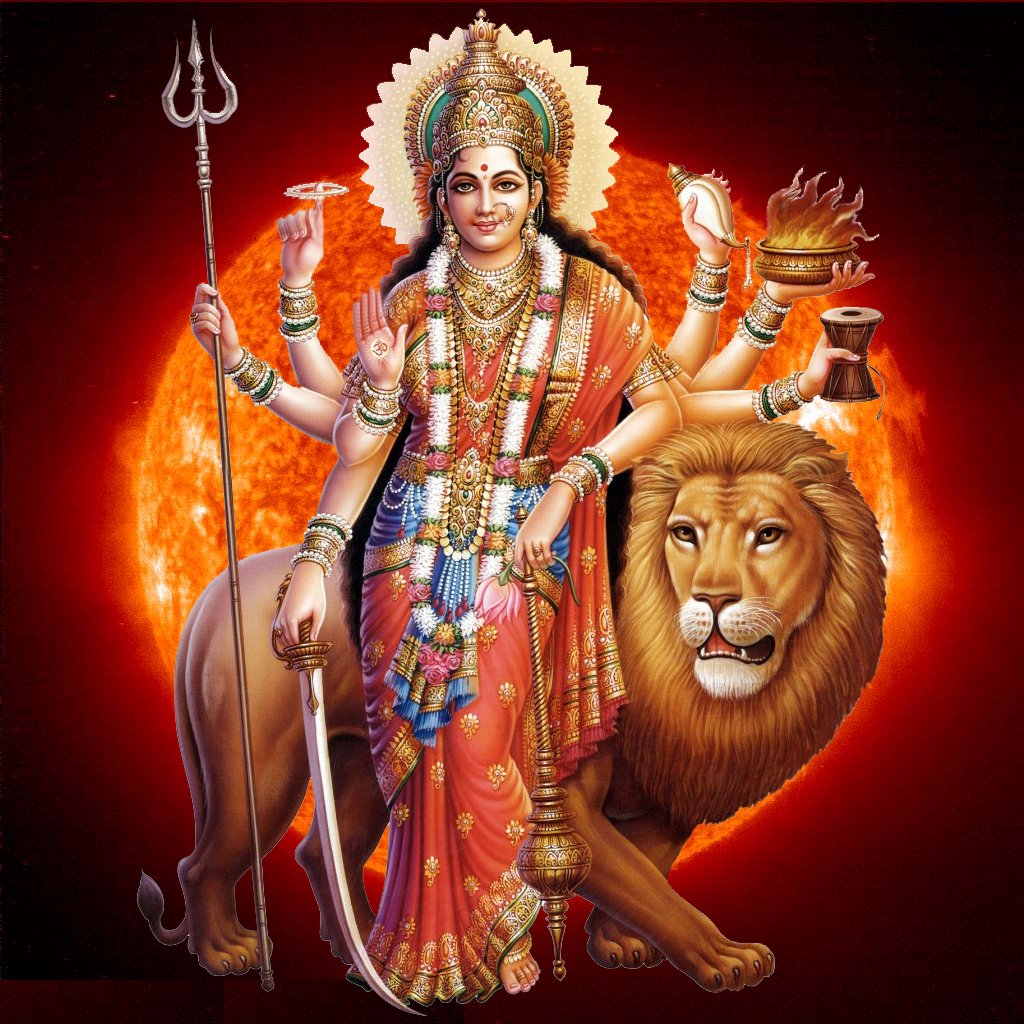
Durga, the fierce and powerful goddess of the Hindu pantheon, is known for her unwavering determination in vanquishing evil and protecting the righteous. Her name, Durga, translates to “the invincible one” or “the inaccessible one,” and she is often depicted as a warrior goddess, riding a tiger and wielding multiple weapons.
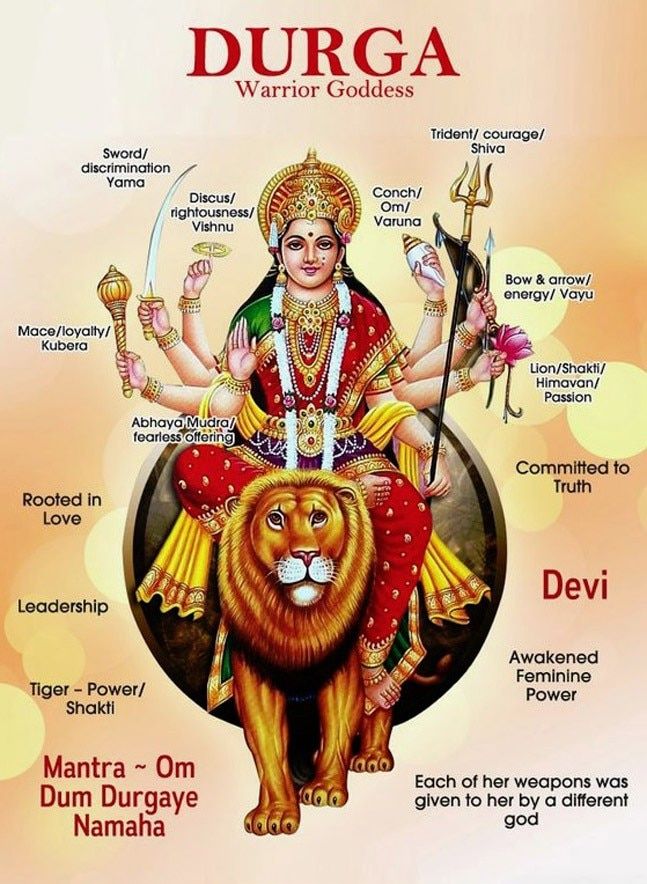
Durga has taken on numerous forms throughout the ages, each embodying different aspects of her divine power and purpose. Here are some of the most prominent forms of the goddess Durga:
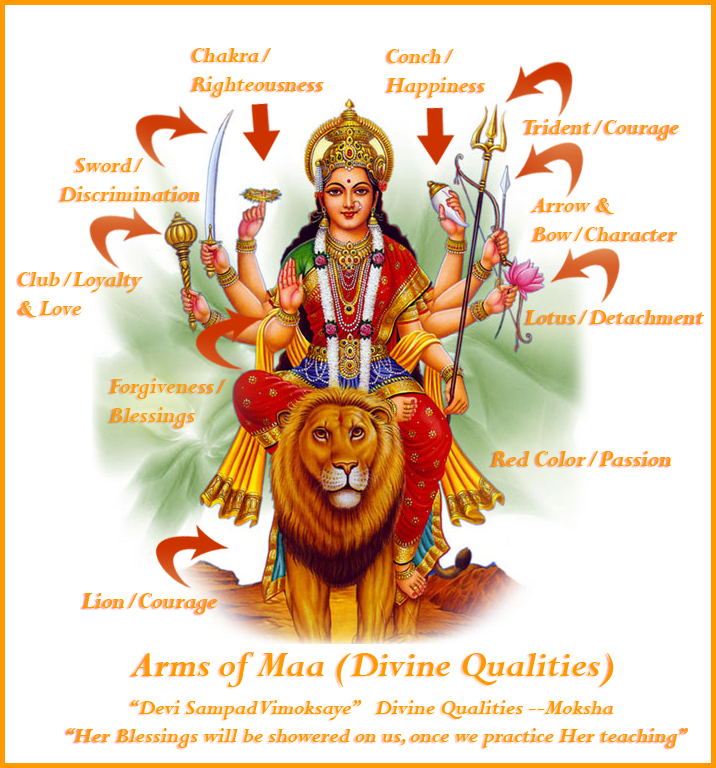
1. Mahishasuramardini Durga:
This is one of the most popular and widely recognized forms of Durga. In this manifestation, Durga battles and ultimately triumphs over the demon Mahishasura, who had taken the form of a buffalo. Her victory over Mahishasura symbolizes the triumph of good over evil and the restoration of cosmic order.
2. Chandi Durga:
Chandi Durga is a form of the goddess that appears in the Devi Mahatmya, a sacred Hindu text. She is described as having 10 arms and riding a lion. Chandi Durga is known for her fierce and relentless nature in vanquishing demons and protecting her devotees.
3. Bhadrakali Durga:
Bhadrakali Durga is a fierce and terrifying aspect of the goddess. She is often depicted with a dark complexion, protruding fangs, and a garland of skulls. Bhadrakali Durga is considered to be the protector of the battlefield and is invoked by warriors for victory and protection.
4. Ekjata Durga:
Ekjata Durga is a form of the goddess with only one foot and three eyes. She is associated with healing and protection and is often invoked by those seeking relief from illness or misfortune.
5. Mahadevi Durga:
Mahadevi Durga is the supreme form of the goddess, embodying all of her power and aspects. She is often depicted as seated on a lion throne, surrounded by a halo of light. Mahadevi Durga is the ultimate source of protection and refuge for her devotees.
6. Kali Durga:
Kali Durga is a fearsome and powerful manifestation of the goddess. She is depicted with a black complexion, a lolling tongue, and a necklace of skulls. Kali Durga is associated with death and destruction but is also considered a symbol of transformation and liberation.
7. Baglamukhi Durga:
Baglamukhi Durga is a form of the goddess who is known for her ability to paralyze enemies and create obstacles. She is often invoked in legal matters or to overcome challenges.
8. Dhumavati Durga:
Dhumavati Durga is a form of the goddess associated with widowhood and misfortune. She is depicted as an elderly woman riding a crow. Dhumavati Durga is considered to be a remover of obstacles and a protector of those who are struggling.
These are just a few of the many forms of the goddess Durga, each representing different aspects of her divine power and purpose. She is revered as a protector of the righteous, a destroyer of evil, and a source of refuge for her devotees.## The Many Forms Of The Goddess Durga: Destroyer Of Evil And Protector Of The Righteous
Executive Summary
Durga, the fierce and compassionate goddess of Hinduism, is revered as the destroyer of evil and the protector of the righteous. She is depicted as a beautiful woman with multiple arms, each wielding a powerful weapon. Durga’s various forms represent her diverse aspects, from fierce warrior to benevolent mother. This article explores the multifaceted nature of Durga, examining her significant incarnations and their symbolic meanings.
Introduction
Durga, an integral deity in the Hindu pantheon, embodies the divine feminine power. Her name, meaning “invincible,” signifies her indomitable spirit and her role as a guardian against evil forces. Durga’s numerous forms reflect the multifaceted nature of the divine, representing both the destructive and protective aspects of the cosmos.
FAQs
-
Who is Goddess Durga?
Durga is a powerful Hindu goddess who symbolizes strength, protection, and the triumph of good over evil. -
Why is Durga worshipped?
Durga is worshipped for her ability to destroy evil, protect her devotees, and grant boons. -
What are Durga’s most famous forms?
Durga’s most famous forms include Mahakali, Mahalakshmi, and Mahasaraswati.
Subtopics of Durga’s Forms
Mahishasuramardini: Slayer of the Buffalo Demon
- Description: Depicted as an eight-armed goddess astride a lion, Mahishasuramardini represents Durga’s victory over the buffalo demon Mahishasura.
- Symbolic Meaning: Triumph over evil and the restoration of Dharma (righteousness).
Important Elements:
- The lion: Symbolizes strength and courage.
- The buffalo: Represents the forces of chaos and evil.
- The sword: Durga’s primary weapon, symbolizes her power to destroy evil.
Mahakali: Goddess of Time and Destruction
- Description: Mahakali is a fierce form of Durga, often depicted with a black or blue complexion and a garland of skulls.
- Symbolic Meaning: The destructive aspect of the divine, capable of annihilating evil.
Important Elements:
- The skull garland: Represents the cycle of death and rebirth.
- The black or blue complexion: Symbolizes the darkness that precedes creation and destruction.
- The protruding tongue: Indicates her wild and untamed nature.
Mahalakshmi: Goddess of Wealth and Abundance
- Description: Mahalakshmi is a graceful and gentle form of Durga, often depicted seated on a lotus flower.
- Symbolic Meaning: Divine wealth, prosperity, and fortune.
Important Elements:
- The lotus flower: Symbolizes purity and spiritual growth.
- The gold coins: Represent material abundance.
- The owl: Her vahana (vehicle), represents wisdom and prosperity.
Mahasaraswati: Goddess of Knowledge and Arts
- Description: Mahasaraswati is a beautiful and serene form of Durga, often depicted holding a book and a musical instrument.
- Symbolic Meaning: Wisdom, intelligence, and the pursuit of knowledge.
Important Elements:
- The book: Represents knowledge and learning.
- The musical instrument (usually a veena): Symbolizes creativity and the arts.
- The white swan: Her vahana, represents purity and transcendence.
Bhuvaneshwari: Goddess of the Universe
- Description: Bhuvaneshwari is an all-encompassing form of Durga, often depicted as seated on a lotus throne within an oval frame.
- Symbolic Meaning: The cosmic mother, representing the entire universe.
Important Elements:
- The lotus throne: Symbolizes the womb of creation.
- The oval frame: Represents the boundary of the universe.
- The eight lotuses outside the frame: Symbolize the eight directions and the infinity of creation.
Conclusion
The many forms of Goddess Durga showcase the multifaceted nature of the divine. From the fierce Mahishasuramardini to the benevolent Mahalakshmi, each incarnation embodies a different aspect of Durga’s power and protection. Her unwavering determination to destroy evil and her boundless compassion for her devotees make her a beloved and revered deity in Hinduism. By understanding and honoring the diverse manifestations of Durga, we can gain insights into the complexities of the cosmos and our own spiritual journey.
Keyword Tags
- Goddess Durga
- Hindu deity
- Destroyer of evil
- Protector of the righteous
- Multiple forms
- Mahishasuramardini
- Mahakali
- Mahalakshmi
- Mahasaraswati
- Bhuvaneshwari