Yoga and Hinduism: Unveiling the Ancient Connection
Yoga, a system of physical, mental, and spiritual practices, has its roots deeply intertwined with Hinduism, one of the world’s oldest religions. Throughout centuries of development, yoga has played a central role in Hindu philosophy, beliefs, and spiritual practices.
Origins in Hindu Upanishads
The earliest traces of yoga can be found in the Upanishads, ancient Hindu scriptures dating back to around the 8th century BCE. These texts contain the seeds of yoga’s core principles, such as:
- Brahman: The ultimate reality and source of all creation
- Atman: The individual soul or self, identical with Brahman
- Moksha: Liberation from the cycle of birth and rebirth
Yoga as a Path to Spiritual Awakening
For Hindus, yoga is more than just a physical practice. It is a spiritual journey that aims to connect the individual self (atman) with the divine (Brahman). Through postures, breathing exercises, and meditation, yogis seek to purify their minds and bodies, bringing them into alignment with their true nature.
Different Types of Yoga in Hinduism
Hinduism encompasses various schools of yoga, each with its own emphasis and focus. Some of the major types include:
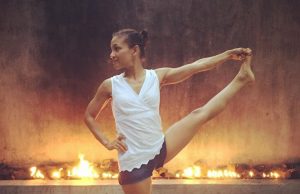
- Hatha Yoga: Concentrates on physical asanas (postures) and breathing techniques
- Raja Yoga: Emphasizes meditation and mental control
- Karma Yoga: Focuses on selfless action
- Bhakti Yoga: Characterized by devotion and love of a divine deity
- Jnana Yoga: Emphasizes self-knowledge and the study of Hindu scriptures
Yoga in Hindu Rituals and Festivals
Yoga plays a significant role in Hindu rituals and festivals. For example, during the festival of Diwali, known as the Festival of Lights, many Hindus practice yoga to prepare for the arrival of the goddess Lakshmi, the symbol of prosperity.
Conclusion
The connection between yoga and Hinduism is profound and everlasting. Yoga, rooted in Hindu philosophy and beliefs, provides a pathway for spiritual awakening and a means to transcend the limitations of the physical and mental realm. Through its practice, Hindus and others around the world seek to merge with the divine and attain the ultimate goal of moksha.## Yoga And Hinduism: Unveiling The Ancient Connection
Executive Summary
Yoga and Hinduism are intertwined concepts that have a deep historical and philosophical connection. Yoga, an ancient practice originating in India, is a discipline that encompasses physical postures, breathing techniques, and meditation. Hinduism, a major world religion, provides the spiritual and philosophical framework that informs the practice of yoga. Understanding this connection offers insights into the holistic approach to well-being and the pursuit of spiritual enlightenment that lies at the heart of both yoga and Hinduism.
Introduction
Yoga and Hinduism have a long and interconnected history, dating back to the ancient texts of the Vedas and Upanishads. Yoga is an integral part of Hinduism, with its principles and practices deeply embedded in the religion’s philosophical teachings. The practice of yoga aims to achieve physical, mental, and spiritual well-being, aligning with Hinduism’s emphasis on self-realization and the pursuit of moksha (liberation).
FAQ
1. What is the origin of yoga?
Yoga originated in ancient India, with its earliest written references found in the Vedas and Upanishads.
2. What are the different types of yoga?
There are various types of yoga, including Hatha, Vinyasa, Ashtanga, Iyengar, and Kundalini, each with its unique approach and focus.
3. What are the benefits of practicing yoga?
Yoga offers a range of benefits, including improved flexibility, strength, posture, and stress reduction. It also promotes mindfulness, self-awareness, and a sense of inner peace.
Subtopics
1. Yoga and the Hindu Deities
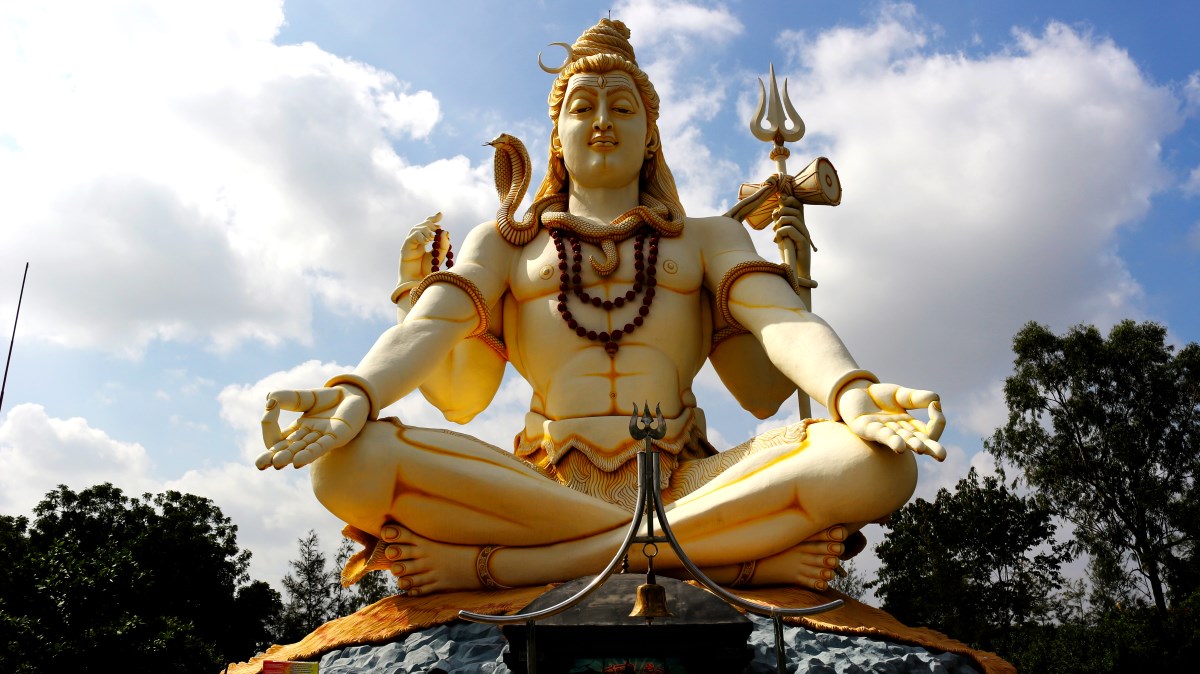
- Shiva: The primary deity associated with yoga, known as the “Lord of Yoga.”
- Ganesha: The elephant-headed deity, symbolizing the removal of obstacles in the path of yoga practice.
- Kali: The fierce and transformative goddess, representing the power and intensity of yoga.
- Lakshmi: The goddess of wealth and abundance, symbolizing the material and spiritual gains from yoga.
- Hanuman: The monkey god, known for his strength, flexibility, and devotion to Lord Rama.
2. Yoga and the Chakras
- Root Chakra: Located at the base of the spine, representing grounding, stability, and survival.
- Sacral Chakra: Situated below the navel, associated with creativity, sensuality, and pleasure.
- Solar Plexus Chakra: Found in the abdomen, representing self-confidence, power, and personal will.
- Heart Chakra: Located in the center of the chest, symbolizing love, compassion, and empathy.
- Throat Chakra: Situated at the base of the neck, associated with communication, expression, and truth.
3. Yoga and the Vedas
- Rig Veda: The oldest of the Vedas, containing references to the early practice of yoga.
- Yajur Veda: A collection of ritualistic texts, detailing the use of yoga in sacrificial ceremonies.
- Sama Veda: A book of melodies and chants, incorporating yoga techniques for vocal control and meditation.
- Atharva Veda: A compilation of spells, charms, and medicinal knowledge, including references to the therapeutic benefits of yoga.
4. Yoga and the Upanishads
- Brihadaranyaka Upanishad: Explores the nature of Brahman (ultimate reality) and the role of yoga in attaining self-realization.
- Chandogya Upanishad: Delves into the concept of reincarnation and the importance of yoga practices to break the cycle of birth and death.
- Katha Upanishad: Teaches the path of yoga as a means to overcome fear and attain immortality.
- Isha Upanishad: Emphasizes the unity of all beings and the importance of selfless action in yoga practice.
5. Yoga and Moksha
- Moksha: The ultimate goal of yoga and Hinduism, representing liberation from the cycle of birth and death.
- Karma: The law of action and reaction, governing the consequences of one’s actions.
- Dharma: The path of righteousness and duty, guiding individuals towards moksha.
- Bhakti: The path of devotion to God, characterized by love and surrender.
- Jnana: The path of knowledge and wisdom, leading to a direct realization of Brahman.
Conclusion
The connection between yoga and Hinduism is profound and multifaceted. Yoga, as a practice, provides a pathway to physical, mental, and spiritual well-being. Hinduism, with its philosophical teachings, offers the framework and guidance for this journey. Together, they form a holistic approach to life that embraces personal growth, self-realization, and the pursuit of moksha. Understanding this connection deepens our appreciation for both yoga and Hinduism, and empowers us to fully embrace the transformative benefits they offer.
Keyword Tags
- Yoga
- Hinduism
- Chakras
- Vedas
- Upanishads