
Lessons From The Bhagavad Gita: Applying Ancient Wisdom To Modern Life
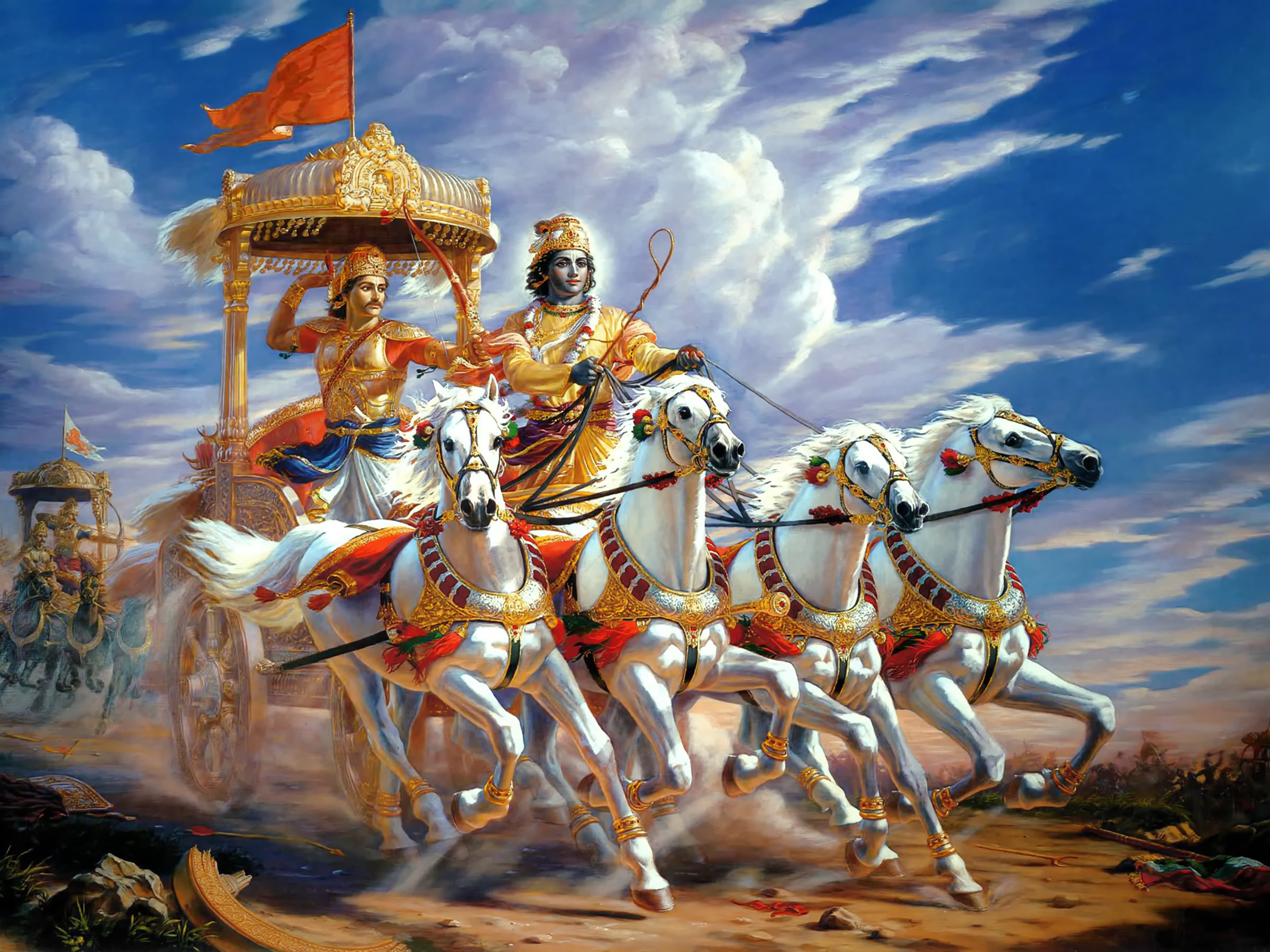
The Bhagavad Gita is one of the most influential religious texts in the world. It is a part of the Mahabharata, an epic poem that is considered one of the greatest works of literature ever written. The Gita is a dialogue between Krishna, an incarnation of the god Vishnu, and Arjuna, a warrior who is facing a moral dilemma. In the Gita, Krishna teaches Arjuna about the nature of reality, the purpose of life, and the path to liberation.
The Gita has been studied and interpreted by scholars for centuries. Its teachings have been applied to a wide range of topics, including ethics, psychology, and business. In recent years, there has been a growing interest in the Gita’s teachings on personal development and well-being.
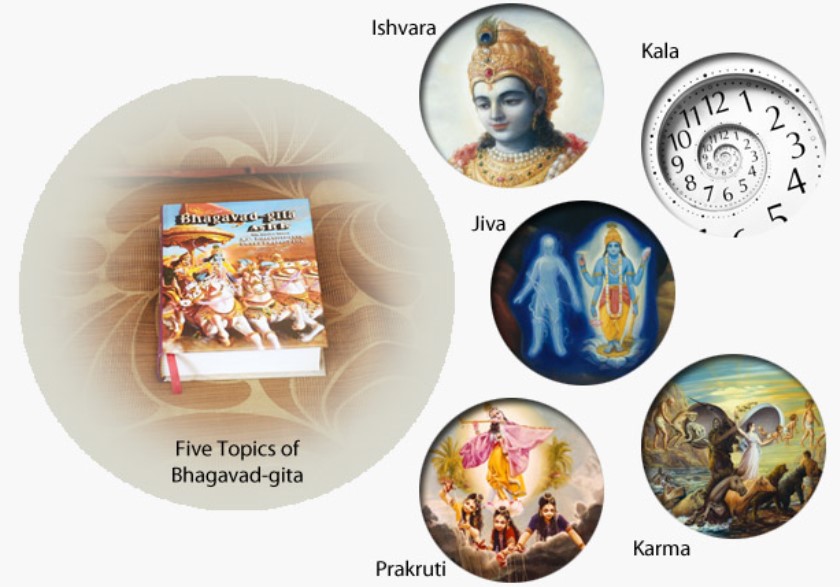
Here are some of the key lessons that can be learned from the Bhagavad Gita:
- The importance of self-knowledge: The Gita teaches that the key to a happy and fulfilling life is to know oneself. This means understanding our strengths and weaknesses, our desires and fears, and our purpose in life.
- The power of detachment: The Gita teaches that we should not be attached to the fruits of our labor. We should instead focus on doing our best and letting go of the outcome. This principle can help us to avoid disappointment and frustration.
- The importance of compassion: The Gita teaches that we should have compassion for all living beings. We should treat others with kindness and respect, even if they are different from us.
- The path to liberation: The Gita teaches that the path to liberation is through self-realization. This means realizing that we are not our bodies or our minds, but eternal souls.
The Bhagavad Gita is a vast and complex text, and its teachings can be applied to many different aspects of life. By studying the Gita, we can learn how to live a more meaningful and fulfilling life.
Here are some specific examples of how the lessons of the Bhagavad Gita can be applied to modern life:
- The importance of self-knowledge: In today’s world, it is easy to get caught up in the hustle and bustle of life and lose touch with who we are. The Gita teaches us to take time for self-reflection and to understand our own values, beliefs, and goals. This self-knowledge can help us to make better decisions, to set realistic goals, and to live a more authentic life.
- The power of detachment: In our modern consumer culture, it is easy to become attached to material possessions and to the pursuit of wealth and status. The Gita teaches us to let go of our attachments and to focus on the things that are truly important in life, such as our relationships, our health, and our spiritual development.
- The importance of compassion: In today’s world, it is easy to become isolated and to focus on our own problems. The Gita teaches us to have compassion for all living beings and to reach out to those who are suffering. Compassion can make the world a more just and peaceful place.
- The path to liberation: The Gita teaches that the path to liberation is through self-realization. In today’s world, there are many different paths to self-realization, such as meditation, yoga, and service to others. By following a path of self-realization, we can come to experience the peace and joy that is our true nature.
The teachings of the Bhagavad Gita are timeless and can be applied to any culture or时代. By studying the Gita, we can learn how to live a more meaningful and fulfilling life.## Lessons From The Bhagavad Gita: Applying Ancient Wisdom To Modern Life
Executive Summary
The Bhagavad Gita, an ancient Indian scripture, offers profound wisdom that can guide us through the challenges of modern life. Its teachings on duty, detachment, karma, yoga, and self-realization provide invaluable insights into living a fulfilling and meaningful existence. This article explores these lessons and demonstrates their relevance to our contemporary world.
Introduction
In the midst of our fast-paced, technology-driven lives, we often lose sight of the essential principles that govern our well-being. The Bhagavad Gita offers a timeless roadmap, guiding us back to the path of inner peace, clarity, and purpose. Its teachings, rooted in the timeless wisdom of India, resonate deeply with the human experience, transcending cultural and temporal boundaries.
FAQs
-
What is the central message of the Bhagavad Gita?
Answer: The Bhagavad Gita teaches us to perform our duties without attachment to the fruits of our actions, while striving for self-realization and liberation from the cycle of birth and death. -
How can the Bhagavad Gita help me in my daily life?
Answer: The principles of the Gita provide practical guidance for decision-making, stress management, and living a balanced and purposeful life. -
Is the Bhagavad Gita relevant to people of all faiths and backgrounds?
Answer: Yes, the Bhagavad Gita transcends religious and cultural boundaries. Its teachings are universal and applicable to individuals from all walks of life.
Subtopics
1. The Importance of Duty
The Gita emphasizes the importance of fulfilling our responsibilities, both as individuals and members of society.
- Dharma: Upholding ethical principles and righteous conduct in all aspects of life.
- Karma Yoga: Performing actions without attachment to the outcome, focusing on the process rather than the result.
- Social Responsibility: Contributing to the well-being of others through service and compassion.
2. The Power of Detachment
The Gita teaches us to let go of attachment to material possessions, outcomes, and expectations.
- Non-Attachment: Cultivating a state of equanimity where our happiness is not dependent on external factors.
- Renunciation: Giving up unnecessary desires and possessions that hinder our spiritual growth.
- Contentment: Finding happiness and satisfaction in the present moment, regardless of our circumstances.
3. The Nature of Karma
The Gita explains the law of karma, which states that our actions have consequences that shape our future.
- Action and Reaction: Every action, whether physical, mental, or verbal, creates an imprint on our soul.
- Responsibility: We are accountable for our choices and actions, and must reap the consequences of both good and bad deeds.
- Free Will: Despite the influence of karma, we have the power to choose our actions and shape our destiny.
4. The Path of Yoga
Yoga, a Sanskrit term meaning “union,” refers to the various practices that lead to self-realization.
- Bhakti Yoga: The path of devotion and love for God or the divine.
- Jnana Yoga: The path of knowledge and intellectual inquiry.
- Karma Yoga: The path of action and service without attachment to the fruits of our actions.
- Raja Yoga: The path of meditation and self-discipline.
5. The Ultimate Goal: Self-Realization
The Bhagavad Gita culminates in the concept of self-realization, which is the ultimate goal of human existence.
- Atman: The true self, beyond the ego and physical body.
- Brahman: The divine, ultimate reality, or consciousness.
- Moksha: Liberation from the cycle of birth and death, achieved through self-realization.
Conclusion
The lessons of the Bhagavad Gita offer invaluable guidance for navigating the challenges of modern life. Its teachings on duty, detachment, karma, yoga, and self-realization provide a path toward a more fulfilling, meaningful, and spiritually enlightened existence. By embracing these ancient wisdoms, we can cultivate inner peace, connect with our true selves, and make a positive impact on the world around us.
Keyword Tags
- Bhagavad Gita
- Duty
- Detachment
- Karma
- Yoga
- Self-Realization