Hindu Philosophy and Dharma: Intertwined Concepts
In the vast tapestry of Hindu thought, philosophy and dharma play pivotal roles, deeply intertwined in shaping the spiritual and moral foundations of the tradition.
Dharma: The Ethical Framework
Dharma is a multifaceted concept that translates to “duty,” “righteousness,” and the “unalterable law of the universe.” It serves as the guiding principle for ethical conduct and moral decision-making. According to Hindu philosophy, each individual has a unique dharma based on their nature, caste, and stage of life.
Hindu Philosophy: The Path to Insight
Hindu philosophy encompasses a vast array of schools and traditions, each with its unique insights into the nature of reality, the soul, and the universe. Advaita Vedanta, for instance, emphasizes the unity of all existence and the illusory nature of the individual self. Samkhya-Yoga, on the other hand, focuses on the dualistic relationship between mind and matter.
The Interplay of Dharma and Philosophy
Dharma and philosophy are deeply interconnected in Hinduism. Philosophy provides the foundational understanding of the nature of existence and the human condition, while dharma offers practical guidance for living an ethical and fulfilling life.
- Dharma as the Foundation of Philosophy: Hindu philosophers often draw upon dharma as the basis for their inquiries. They explore the ethical implications of metaphysical concepts, such as the nature of God, the soul, and the afterlife.
- Philosophy as a Guide for Dharma: Philosophical insights can illuminate the path of dharma, providing a deeper understanding of one’s duties and responsibilities. For example, the concept of karma, derived from the Samkhya-Yoga tradition, shapes the ethical choices made by Hindus.
- Dharma as a Way of Realizing Philosophical Truths: The practice of dharma, through rituals, meditation, and ethical conduct, can lead to the realization of philosophical truths. Advaita Vedanta, for instance, teaches that the path of devotion and self-inquiry can lead to the ultimate dissolution of the ego and the experience of non-duality.
The Significance of Dharma and Philosophy in Hinduism
The interconnectedness of dharma and philosophy in Hinduism has profound implications for the lives of Hindus:
- Moral Guidance: Dharma provides a clear framework for right and wrong, guiding ethical decision-making and fostering a harmonious society.
- Spiritual Growth: Philosophy offers a path to self-discovery and spiritual enlightenment, leading to a deeper understanding of the universe and one’s place within it.
- Harmonizing the Inner and Outer: The interplay of dharma and philosophy fosters a balance between inward-focused spiritual practices and outward-focused ethical actions.
In conclusion, Hindu philosophy and dharma are inseparable concepts that shape the spiritual and moral compass of Hinduism. Philosophy provides the framework for understanding reality, while dharma offers practical guidance for ethical living. Together, they guide Hindus towards a life of purpose, compassion, and ultimately, liberation.## Hindu Philosophy and Dharma: An Unbreakable Bond
Executive Summary
Hindu philosophy is a diverse and complex system of thought that has shaped Indian culture for centuries. Dharma is a key concept in Hindu philosophy, representing the path of righteousness and duty. This article explores the connection between Hindu philosophy and Dharma, examining their shared principles, ethical teachings, and practical applications in daily life.
Introduction
Hindu philosophy, encompassing various schools of thought, seeks to understand the nature of reality, the purpose of life, and the path to liberation. Dharma, a central concept within this philosophy, provides guidance for moral conduct and righteous living. This article delves into the integral relationship between Hindu philosophy and Dharma, shedding light on their interconnectedness.
FAQs
-
What is the relationship between Hindu philosophy and Dharma?
Hindu philosophy provides the theoretical framework and metaphysical understanding that underpin the principles of Dharma. Dharma, in turn, represents the practical application of these philosophical teachings in daily life. -
How does Dharma guide moral conduct in Hindu society?
Dharma outlines the duties and responsibilities of individuals based on their caste, gender, age, and stage of life. By adhering to these duties, individuals maintain social harmony and contribute to the well-being of the community. -
What is the ultimate goal of Dharma?
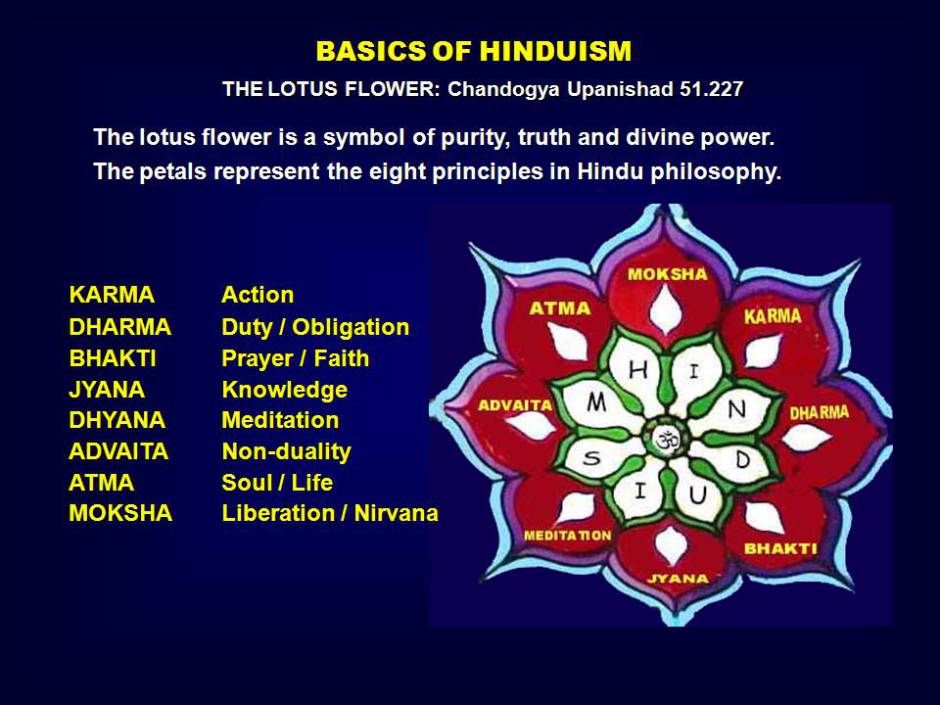
The ultimate goal of Dharma is to attain moksha, or liberation from the cycle of reincarnation. Through righteous living and fulfilling their duties, individuals can purify their karma and progress towards this spiritual goal.
Subtopics
1. Nature of Reality
- Maya: The illusion that conceals the true nature of reality, creating the perception of a separate self.
- Brahman: The ultimate reality, an impersonal absolute consciousness that underlies all existence.
- Atman: The individual soul, a spark of Brahman trapped in the cycle of reincarnation.
2. Purpose of Life
- Dharma: Fulfilling one’s duties and responsibilities in accordance with their nature and place in society.
- Karma: The law of cause and effect that governs the consequences of our actions.
- Moksha: Liberation from the cycle of birth and death, achieved through spiritual knowledge and righteous living.
3. Ethical Teachings
- Ahimsa: Non-violence towards all living beings.
- Satya: Truthfulness and integrity.
- Asteya: Non-stealing, including intellectual property.
4. Virtue and Character
- Yama: Moral restraints, including non-violence, truthfulness, non-stealing, and non-possessiveness.
- Niyama: Positive virtues, such as purity, contentment, and self-discipline.
- Samyama: Control of the mind, senses, and body through yoga and meditation.
5. Social Organisation
- Varna: The four social classes (Brahmins, Kshatriyas, Vaishyas, and Shudras), based on innate qualities and duties.
- Ashrama: The four stages of life (student, householder, forest dweller, and renunciate), each with its distinct responsibilities and spiritual goals.
Conclusion
Hindu philosophy and Dharma are intertwined concepts that provide a comprehensive framework for understanding the nature of reality, the purpose of life, and the path to liberation. Through the ethical teachings, social organisation, and spiritual practices derived from Hindu philosophy, individuals can lead a righteous and fulfilling existence, ultimately striving towards the ultimate goal of moksha.
Keyword Tags
- Hindu philosophy
- Dharma
- Maya
- Brahman
- Karma
- Moksha