Samsara: The Cycle of Birth and Death in Hinduism
Samsara is a central concept in Hinduism that signifies the continuous cycle of birth, death, and rebirth that all souls undergo. It is believed that each living being possesses an eternal soul, known as the Atman, which transcends physical existence. The Atman experiences a series of lives in different forms, determined by its past actions and desires.

The Wheel of Samsara

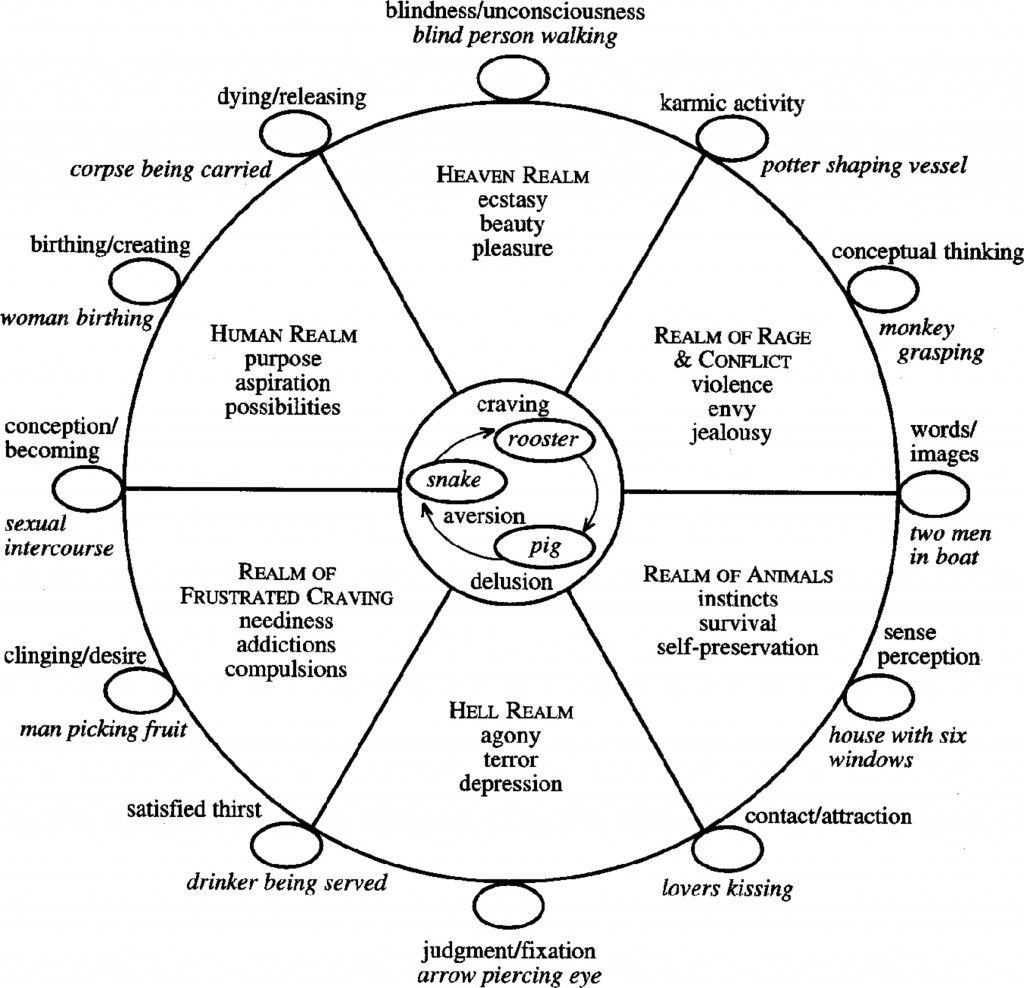
Samsara is often represented by a wheel, known as the Wheel of Samsara or Bhavachakra. The wheel is divided into six realms of existence:
- Deva Loka (Realm of the Gods): A realm of heavenly beings who enjoy pleasure and longevity.
- Asura Loka (Realm of the Demons): A realm of powerful beings who are constantly at war with the gods.
- Manushya Loka (Realm of Humans): A realm of mortal beings who experience a wide range of experiences.
- Tiryak Loka (Realm of Animals): A realm of non-human animals who live by instincts.
- Preta Loka (Realm of Hungry Ghosts): A realm of tormented beings who suffer from insatiable hunger and thirst.
- Naraka Loka (Realm of Hell): A realm of suffering and punishment for those who have committed severe sins.
The Law of Karma
The progression through Samsara is governed by the law of Karma. Karma refers to the actions and intentions of an individual, both good and bad, which determine the nature of their future lives. Positive actions lead to favorable outcomes, while negative actions result in suffering.
The Goal of Moksha
The ultimate goal of Hinduism is to break free from the cycle of Samsara and attain Moksha, or liberation. Moksha is a state of complete transcendence and reunion with the divine. It can be achieved through spiritual practices such as meditation, yoga, and devotion.
Key Features of Samsara
- Infinite Nature: Samsara is believed to be an endless cycle that has no beginning or end.
- Suffering: Samsara is characterized by suffering and dissatisfaction, which arise from attachment and desire.
- Impermanence: Everything in Samsara is subject to change and decay, including the physical form and the external world.
- Cause and Effect: The experiences in Samsara are the result of past actions and choices.
- Opportunity for Growth: Samsara provides opportunities for spiritual evolution and self-realization.
In conclusion, Samsara is a fundamental concept in Hinduism that symbolizes the continuous journey of the soul through different realms of existence. It teaches that through the law of Karma and the pursuit of Moksha, individuals can break free from the cycle of birth and death and attain spiritual liberation.## The Concept Of Samsara In Hinduism: The Cycle Of Birth And Death
Executive Summary
The concept of Samsara is a core tenet in Hinduism, representing the cyclical nature of birth, death, and rebirth. It is believed that all living beings are trapped in this cycle until they attain moksha, or liberation from the material world. Understanding Samsara is crucial for comprehending the Hindu perspective on life and the ultimate goal of human existence.
Introduction
Samsara, literally meaning “wandering,” is the continuous journey of the soul through myriad lifetimes. It is a fundamental belief that every action and consequence shapes the individual’s next existence. One’s karma, or accumulated actions, determines the circumstances of their future births, creating an endless cycle of suffering and rebirth known as Maya.
FAQs
- What is the nature of Samsara?
Samsara is a cycle of constant change and impermanence. Birth, death, and rebirth are inevitable stages for all beings, as they navigate the material world.
- Why do we experience Samsara?
Samsara is a consequence of our attachment to the material world. Desire, ignorance, and egoism bind us to the cycle of rebirth.
- How can we escape Samsara?
Attaining moksha, or liberation, is the ultimate goal of Samsara. This is achieved through personal growth, spiritual practices, and the realization of our true nature.
Subtopics
Karma: The Law of Cause and Effect
- Sanchita Karma: The accumulated actions from past lives that shape our present existence.
- Prarabdha Karma: The portion of Sanchita Karma that determines our current circumstances.
- Kriyamana Karma: The actions we perform in the present that will impact our future.
Maya: The Illusion of the Material World
- The Veiling Power: Maya conceals the true nature of reality, leading us to perceive the world as separate and permanent.
- The World as Samsara: Maya creates the illusion of a cyclical and inescapable existence.
- The Path to Truth: Understanding Maya helps us transcend the material world and attain liberation.
Rebirth: The Cycle of Samsara
- The Law of Karma: Rebirth is governed by the law of karma, which dictates the conditions of our next existence.
- The Forms of Rebirth: Beings can be reborn into various realms, including human, animal, and celestial realms.
- The Purpose of Rebirth: Rebirth provides opportunities for spiritual evolution and the fulfillment of karmic obligations.
Moksha: Liberation from the Cycle
- The Nature of Moksha: Moksha is the ultimate goal of Samsara, where the soul is freed from the cycle of birth and death.
- The Path to Moksha: Achieving moksha requires spiritual practices, self-realization, and the renunciation of attachments.
- The State of Liberation: In moksha, the soul merges with the divine and experiences eternal bliss.
Jivanmukti: Liberation in Life
- The Concept: Jivanmukti is a state of liberation attained while still living.
- Characteristics of a Jivanmukta: A jivanmukta is free from material desires, attachments, and ego.
- The Benefits of Jivanmukti: It brings inner peace, tranquility, and the realization of one’s true nature.
Conclusion
The concept of Samsara in Hinduism emphasizes the transient nature of existence and the importance of spiritual growth. Through a journey of self-realization and the practice of dharma, individuals can transcend Samsara and achieve the ultimate goal of moksha. Understanding Samsara provides a profound perspective on life’s purpose and guides us toward a path of enlightenment.
Relevant Keyword Tags
- Samsara
- Hinduism
- Rebirth
- Karma
- Moksha