Bhakti Yoga: The Path of Devotion to Attain Moksha
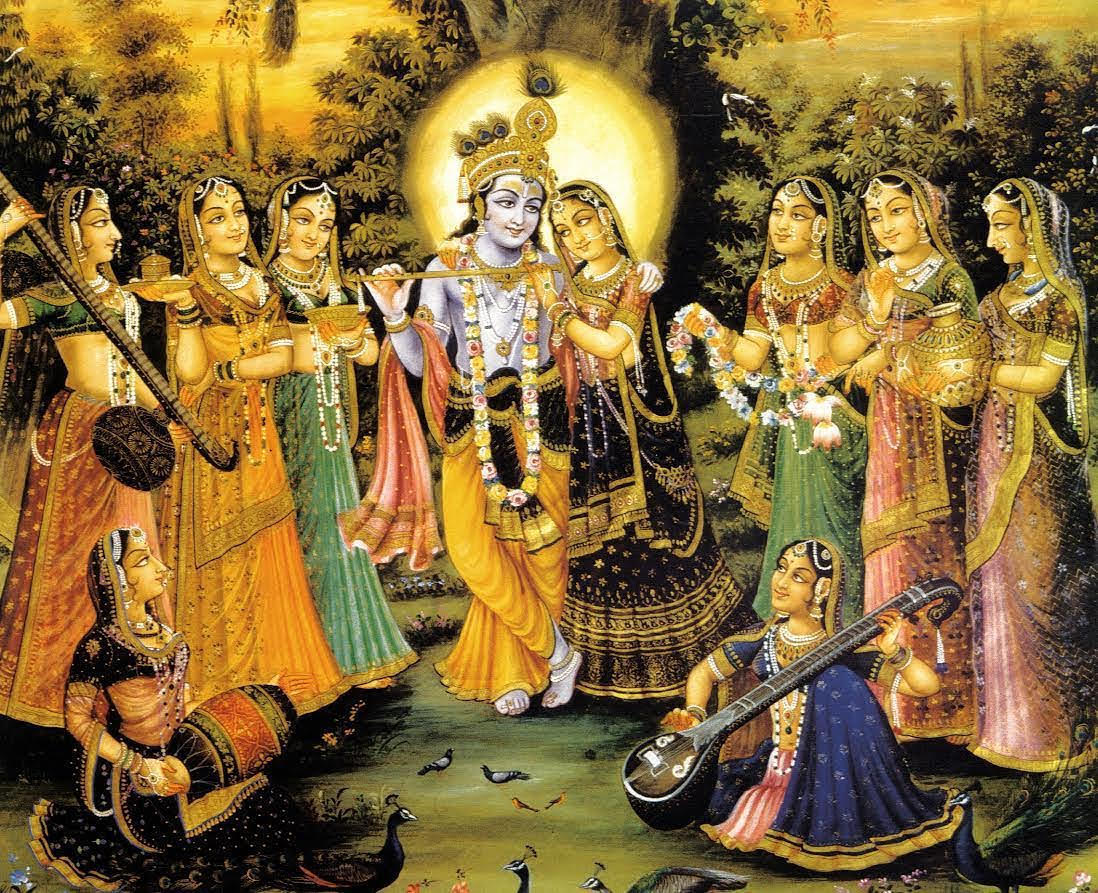
Bhakti Yoga is one of the four main paths of Yoga in Hinduism, the others being Karma Yoga, Jnana Yoga, and Raja Yoga. Bhakti Yoga is the path of devotion to a personal God or Goddess. The goal of Bhakti Yoga is to attain moksha, or liberation from the cycle of birth and death.
Bhakti Yoga is practiced through a variety of means, including:
- Prayer: Prayer is a way to communicate with God or Goddess and express your devotion.
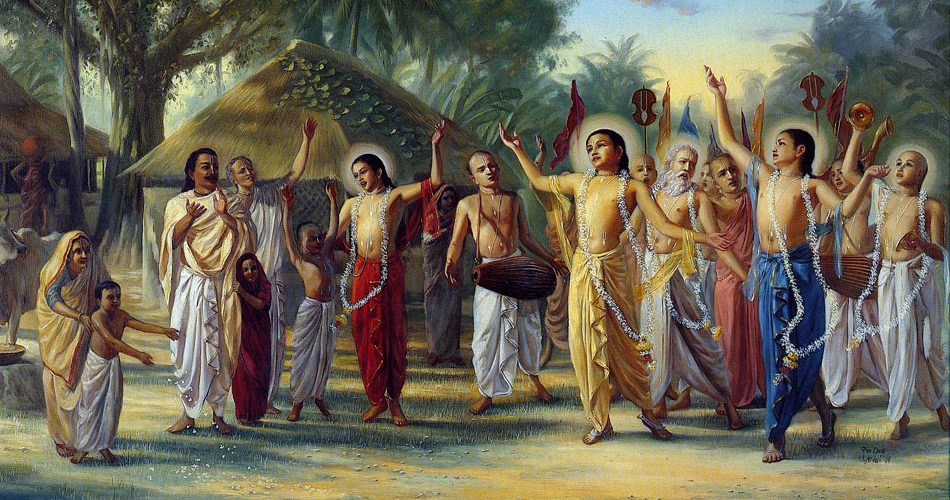
- Chanting: Chanting is a way to focus your mind on God or Goddess and enter a state of meditation.
- Singing: Singing is a way to express your devotion to God or Goddess through music.
- Dancing: Dancing is a way to express your joy and love for God or Goddess.
- Service: Service is a way to show your love for God or Goddess by helping others.
There are many different types of Bhakti Yoga, each with its own unique practices and traditions. Some of the most popular types of Bhakti Yoga include:
- Vaishnavism: Vaishnavism is the worship of Vishnu, one of the three main deities in Hinduism. Vaishnavas believe that Vishnu is the Supreme Being and that He is the source of all creation.
- Shaivism: Shaivism is the worship of Shiva, one of the three main deities in Hinduism. Shaivas believe that Shiva is the Supreme Being and that He is the destroyer of all evil.
- Shaktism: Shaktism is the worship of Shakti, the female aspect of God. Shaktas believe that Shakti is the Supreme Being and that She is the source of all creation.
Bhakti Yoga is a powerful path to moksha. It is a path that is open to everyone, regardless of their age, gender, or background. If you are looking for a way to deepen your connection with God or Goddess, Bhakti Yoga is a path that you may want to explore.
The Benefits of Bhakti Yoga:
There are many benefits to practicing Bhakti Yoga, including:
- Increased love and devotion to God or Goddess
- A deeper understanding of the nature of God or Goddess
- A more fulfilling and meaningful life
- Reduced stress and anxiety
- Greater peace and happiness
- Moksha: Liberation from the cycle of birth and death
If you are looking for a path to a deeper connection with God or Goddess, Bhakti Yoga is a path that you may want to explore.## Bhakti Yoga: The Path Of Devotion To Attain Moksha
Executive Summary
Bhakti Yoga is one of the four main paths of Yoga that emphasizes devotion, love, and surrender to a personal God. This path offers a direct and accessible way to connect with the divine and experience spiritual transformation. Through the practices of Bhakti Yoga, such as chanting, singing, prayer, and selfless service, devotees can purify their hearts, cultivate love and compassion, and ultimately attain Moksha or liberation.
Introduction:
Bhakti Yoga, often referred to as the path of devotion, is a spiritual practice that emphasizes the cultivation of love and devotion to a personal God. Unlike other Yogic paths that focus on physical postures, breathing techniques, or mental concentration, Bhakti Yoga prioritizes the development of a loving relationship with the divine.
FAQs
-
What are the key practices of Bhakti Yoga?
-
The primary practices of Bhakti Yoga include chanting, singing, prayer, and selfless service. Through these practices, devotees express their love and devotion to God and seek to purify their hearts and minds.
-
Who can practice Bhakti Yoga?
-
The beauty of Bhakti Yoga lies in its accessibility. Unlike other Yogic paths that may require specific physical abilities or prior knowledge, Bhakti Yoga is open to anyone, regardless of their age, background, or physical condition.
-
What are the benefits of practicing Bhakti Yoga?
-
Bhakti Yoga offers numerous benefits, including the purification of the heart and mind, the cultivation of love and compassion, the development of a personal relationship with God, and ultimately the attainment of Moksha or liberation.
The Essence of Bhakti Yoga
Bhakti Yoga is a multifaceted path that encompasses a wide range of practices and beliefs. At its core, Bhakti Yoga is characterized by:
-
Devotion: Bhakti Yoga is centered around the cultivation of love and devotion to a personal God. This love is expressed through various practices and rituals.
-
Surrender: Bhakti Yoga emphasizes the act of surrender to the divine. Devotees trust in the love and guidance of God and seek to align their wills with the divine will.
-
Service: Bhakti Yoga encourages selfless service to others as a way to express love and devotion to God. By serving others, devotees purify their hearts and minds and cultivate compassion.
-
Purity: Bhakti Yoga emphasizes the importance of purity in thought, word, and deed. Devotees seek to live in accordance with divine principles and to embody love, truth, and non-violence.
-
Love: Love is the essence of Bhakti Yoga. Devotees cultivate love not only for God but also for all beings. Through love, they seek to break down barriers of separation and experience the interconnectedness of all life.
Conclusion:
Bhakti Yoga is a powerful path that can lead to deep spiritual transformation and the ultimate realization of Moksha or liberation. Through the practices of devotion, surrender, service, purity, and love, Bhakti Yoga offers a direct and accessible way to connect with the divine and experience the bliss of divine love. Whether you are a seasoned practitioner or a newcomer to the spiritual path, Bhakti Yoga can guide you towards a life of love, purpose, and ultimate freedom.
Relevant Keyword Tags:
- Bhakti Yoga
- Devotion
- Spiritual Transformation
- Moksha
- Love and Compassion