
Samsara: The Cycle of Birth and Death in Hinduism
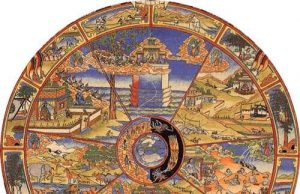
Samsara is the concept of a cycle of birth, death, and rebirth in Hinduism. It is believed that an individual’s actions in this life determine their future life, with virtuous actions leading to a better rebirth and sinful actions leading to a worse rebirth.
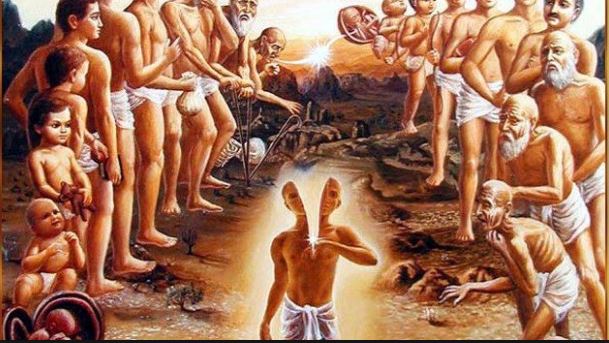
The Process of Samsara
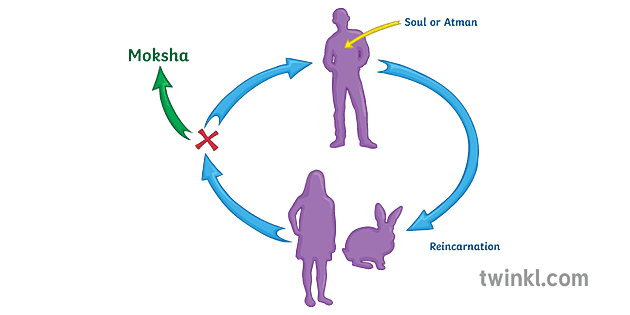
The process of samsara begins with birth and ends with death. After death, the soul is reborn into a new body, which may be human, animal, or plant. The type of body that the soul is reborn into is determined by the karma accumulated in previous lives.
Karma
Karma is the law of cause and effect. It is believed that every action an individual takes has consequences, either positive or negative. Positive karma leads to a better rebirth, while negative karma leads to a worse rebirth.
Breaking the Cycle of Samsara
The ultimate goal of Hinduism is to break the cycle of samsara and achieve moksha, or liberation. This is achieved through spiritual practices such as yoga, meditation, and devotion to God.
Key Concepts of Samsara
- Reincarnation: The belief that the soul is reborn into a new body after death.
- Karma: The law of cause and effect, which determines the type of body that a soul is reborn into.
- Moksha: The ultimate goal of breaking the cycle of samsara and achieving liberation.
- Eight Limbs of Yoga: A set of practices that can lead to spiritual enlightenment and moksha.# Understanding Samsara: The Cycle Of Birth And Death In Hinduism
Executive Summary
Samsara, the cycle of birth and death, is a fundamental concept in Hinduism. It refers to the belief that all living beings are trapped in a cycle of repeated existence, constantly moving through different forms of life. This cycle is driven by karma, the sum of an individual’s actions and intentions, which determines the circumstances of their next life. Understanding samsara is essential for grasping the core principles of Hinduism and its path to liberation.
Introduction
Samsara is a central pillar of Hindu philosophy, shaping its beliefs, practices, and ethical teachings. It is the idea that all living beings are caught in a cycle of repeated births, deaths, and rebirths. This cycle is driven by karma, the cumulative effect of an individual’s actions, words, and thoughts.
FAQs
1. What is the ultimate goal in samsara?
The ultimate goal in samsara is to break free from the cycle of birth and death and attain moksha, liberation from the material world.
2. How can one break free from samsara?
Breaking free from samsara requires accumulating good karma through selfless actions, practicing yoga and meditation, and developing spiritual knowledge.
3. What happens after one breaks free from samsara?
After attaining moksha, an individual merges with the divine, experiencing eternal bliss and freedom from the limitations of the physical world.
Subtopics
Karma
- Definition: The sum of an individual’s actions, intentions, and thoughts that determines the circumstances of their next life.
- Good Karma: Positive actions, intentions, and thoughts that lead to favorable outcomes.
- Bad Karma: Negative actions, intentions, and thoughts that result in unfavorable outcomes.
- Accumulated Karma: The total sum of an individual’s karma from past lives that shapes their present circumstances.
- Law of Karma: The principle that every action has a reaction, and that individuals are responsible for their own actions and their consequences.
Rebirth
- Definition: The process of being born into a new life after death.
- Forms of Rebirth: Individuals can be reborn as humans, animals, plants, or other beings, depending on their karma.
- Cycle of Rebirth: The endless process of birth, death, and rebirth that continues until an individual attains moksha.
- Destiny vs. Choice: Karma determines the general circumstances of rebirth, but individuals have some degree of choice in their actions and can influence their future destiny.
- Purpose of Rebirth: Rebirth provides opportunities for individuals to learn from their mistakes, accumulate good karma, and evolve spiritually.
Attachment and Desire
- Definition: The clinging to material possessions, relationships, and experiences that leads to suffering.
- Root of Samsara: Attachment and desire are the driving forces behind the cycle of birth and death.
- Overcoming Attachment: Detachment from material possessions and outcomes, practicing non-attachment, and focusing on spiritual pursuits can help break the cycle of samsara.
- Role of Maya: Maya, or illusion, conceals the true nature of reality and leads to attachment and desire.
- Importance of Self-Realization: Realizing one’s true self as separate from the material world helps overcome attachment and desire.
Ignorance
- Definition: The lack of understanding of the true nature of reality and the self.
- Cause of Samsara: Ignorance leads to attachment and desire, perpetuating the cycle of birth and death.
- Forms of Ignorance: Ignorance can manifest as a lack of knowledge about spiritual truths, misidentification with the ego, and attachment to material possessions.
- Removal of Ignorance: Spiritual practices such as yoga, meditation, and studying sacred texts can help remove ignorance and lead to self-realization.
- Role of the Guru: A guru, or spiritual teacher, can guide individuals on the path to self-realization and the removal of ignorance.
Grace of God
- Definition: The undeserved favor or divine intervention that helps individuals break free from samsara.
- Role of God: God is the ultimate source of grace and liberation, bestowing it upon those who have exhausted their karma and are spiritually prepared.
- Devotion: Devotion to God and surrender to the divine will can increase the likelihood of receiving grace.
- Importance of Faith: Trusting in God’s grace can help individuals overcome obstacles and remain steadfast on the spiritual path.
- Divine Intervention: Grace can manifest in various forms, such as guidance, protection, or miraculous occurrences.
Conclusion
Samsara, the cycle of birth and death, is a fundamental concept in Hinduism that shapes its philosophy, practices, and ethical teachings. Understanding samsara helps individuals appreciate the challenges and opportunities of life, cultivate good karma, and strive for liberation from the cycle of repeated existence. By breaking free from attachment, desire, and ignorance, and cultivating devotion to God, individuals can attain moksha and experience eternal bliss.
Keyword Tags
- Samsara
- Karma
- Rebirth
- Attachment
- Ignorance