
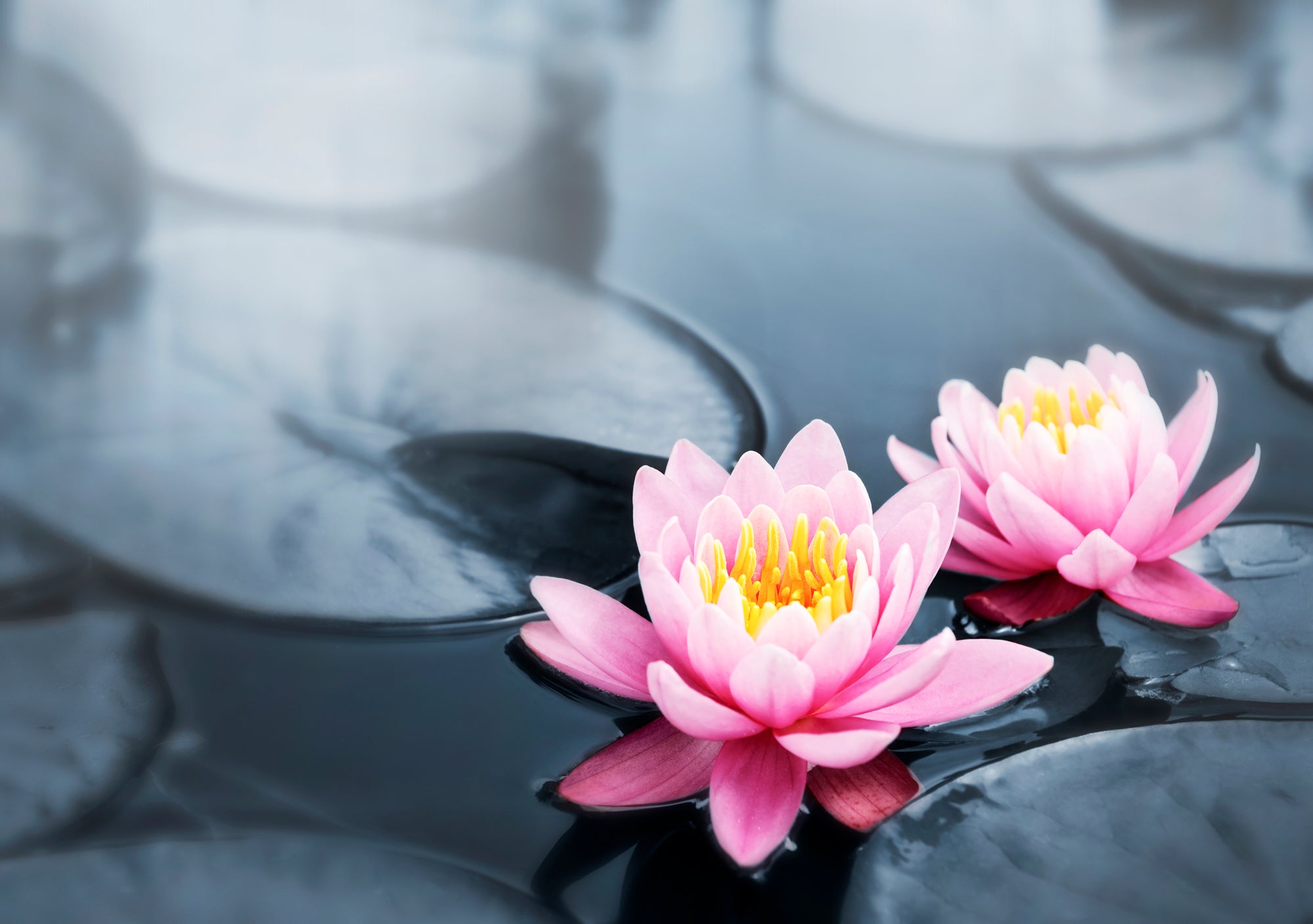
Lotus: The Sacred Flower of Hinduism and Its Profound Spiritual Significance
In the tapestry of Hinduism, the lotus holds a revered position as one of the most sacred symbols, deeply imbued with profound spiritual meanings. This elegant flower, with its pristine beauty and alluring fragrance, has captivated the minds and hearts of devotees for centuries, serving as a potent representation of the divine and the journey of self-realization.

Origins and Symbolism

The lotus, known as “padma” in Sanskrit, traces its origins to the ancient Vedic scriptures, where it is mentioned as a symbol of purity, beauty, and fertility. Its unique ability to rise from the depths of muddy waters and bloom into a radiant flower symbolizes the triumph of the spirit over adversity and the transformative nature of existence.
Divine Representation
In Hinduism, the lotus is closely associated with the divine. It is believed to be the seat of several deities, including Lord Brahma, the creator; Lord Vishnu, the preserver; and Goddess Lakshmi, the goddess of wealth and prosperity. The lotus is often depicted beneath their feet or as a symbol held in their hands, signifying their connection to the sacred and their ability to bestow blessings upon their devotees.
Qualities and Virtues
The lotus embodies numerous qualities that are highly valued in Hinduism. Its unblemished petals represent purity, innocence, and detachment. Its ability to thrive in challenging environments symbolizes resilience, adaptability, and the potential for growth amidst obstacles. The lotus also represents beauty, grace, and the unfolding of divine consciousness within.
Spiritual Significance
The lotus plays a central role in the spiritual journey of Hindus. It is considered a sacred symbol of the seven chakras, or energy centers, along the spine. Each lotus petal is associated with a specific chakra, representing different aspects of consciousness and spiritual development. By meditating on the lotus, practitioners aim to awaken and balance these energy centers, leading to inner harmony and spiritual enlightenment.
Ritual Significance
The lotus occupies a prominent place in Hindu rituals and ceremonies. It is used as an offering to deities, placed on altars, and worn as a symbol of reverence. The act of offering a lotus to a deity represents the surrender of one’s ego and the desire to connect with the divine.
Artistic Symbolism
The lotus has become a prominent motif in Hindu art, architecture, and literature. It can be seen adorning temples and sculptures, within paintings and tapestries, and even as an ornamental design on jewelry and clothing. Each depiction of the lotus serves as a reminder of the sacred and the transformative journey towards spiritual awakening.
Conclusion
The lotus in Hinduism is more than just a flower; it is a symbol of divine presence, purity, and spiritual growth. Its elegant beauty and profound meanings have inspired generations of devotees, guiding them on their paths to self-realization and enlightenment. As the lotus rises above the murky waters, so too can the human spirit transcend the limitations of the material world and blossom into the radiant glory of the divine.## Lotus: The Sacred Flower Of Hinduism And Its Profound Spiritual Significance
Executive Summary
The lotus flower, revered as a sacred symbol in Hinduism, encapsulates an array of profound spiritual meanings. This article delves into the multifaceted significance of the lotus, exploring its symbolism, mythological associations, and the lessons it imparts on our journey towards enlightenment.
Introduction
In the tapestry of Hinduism, the lotus flower stands as an emblem of purity, beauty, and the promise of spiritual awakening. Its elegant petals unfurl gracefully from murky waters, symbolizing the triumph of light over darkness and the indomitable spirit that resides within each of us.
Frequently Asked Questions (FAQs)
-
Why is the lotus considered sacred in Hinduism?
- It represents the divine nature that resides within all living beings, untouched by worldly impurities.
- Its ability to thrive amidst adversity symbolizes resilience and the potential for spiritual growth.
-
What does the lotus symbolize in yoga and meditation?
- The different chakras, energy centers located along the spine, are often associated with the lotus flower.
- The lotus’s upward growth represents the spiritual ascent and the journey towards enlightenment.
-
Is the lotus a national flower of any country?
- Yes, the lotus is the national flower of both India and Vietnam.
Symbolism of the Lotus
- Purity and Divinity: The lotus rises from murky waters, untouched by its surroundings. This symbolizes the divine nature that resides within each of us, uncontaminated by the material world.
- Spiritual Awakening: The lotus’s upward growth represents the journey towards spiritual enlightenment. As the petals unfurl, it signifies the opening of our spiritual consciousness and the blossoming of our true potential.
- Transformation and Rebirth: The lotus’s ability to thrive in adverse conditions symbolizes our capacity for transformation and rebirth. Just as the lotus emerges from darkness into light, we can overcome our challenges and emerge as a stronger and more beautiful being.
- Self-Realization: The lotus is said to grow from the mud at the bottom of a lake, representing our own potential for self-realization. By embracing our divine nature and overcoming obstacles, we can achieve true self-knowledge.
- Mindfulness and Awareness: The lotus’s steady growth and stillness in water symbolize the importance of mindfulness and awareness. By observing the lotus, we can learn to be present in the moment and cultivate a peaceful state of mind.
Mythological Associations
- Brahma and Creation: In Hindu mythology, Brahma, the creator god, is often depicted seated on a lotus flower. This symbolizes the lotus’s association with the origin of the universe and the creative power that dwells within all things.
- Lakshmi and Wealth: Goddess Lakshmi, the deity of wealth and prosperity, is frequently portrayed standing on a lotus. The lotus represents her power to bestow abundance and success upon those who seek it.
- Vishnu and Preservation: Lord Vishnu, the preserver god, is often seen reclining on a serpent with a lotus flower in his hand. The lotus symbolizes his ability to maintain the balance of the universe and protect us from evil.
- Saraswati and Knowledge: Goddess Saraswati, the deity of knowledge and music, is often depicted holding a book or a musical instrument on a lotus flower. The lotus represents her wisdom and the power of knowledge to uplift and inspire.
- Ganesha and Remover of Obstacles: Lord Ganesha, the elephant-headed god known as the remover of obstacles, is commonly shown holding a lotus in one of his hands. The lotus symbolizes his ability to clear the path towards spiritual growth and overcome any obstacles that may arise.
Lessons from the Lotus
- Embrace Adversity with Courage: The lotus teaches us to confront our challenges head-on, knowing that they have the potential to make us stronger and more resilient.
- Seek Beauty within Imperfection: The lotus reminds us that beauty can be found in the most unexpected places. By embracing our imperfections, we can cultivate a deeper appreciation for life’s complexities.
- Nurture Patience and Growth: The lotus’s steady growth teaches us the importance of patience and perseverance. Spiritual progress takes time and effort, but it is a journey that brings immense rewards.
- Find Stillness within Chaos: The lotus’s ability to remain steady in murky waters reminds us to seek stillness and peace amidst the chaos of life. By cultivating inner calm, we can navigate challenges with grace and equanimity.
- Strive for Enlightenment: The lotus’s upward growth is a constant reminder of our potential for spiritual awakening. By following the path of self-discovery and selfless service, we can bloom into the fullness of our being.
Conclusion
The lotus flower holds a profound spiritual significance in Hinduism, symbolizing purity, beauty, and the journey towards enlightenment. Its multifaceted symbolism and mythological associations inspire us to embrace adversity, seek beauty in imperfection, nurture patience, find stillness within chaos, and strive for the ultimate goal of spiritual awakening. As we contemplate the lotus’s teachings, we can cultivate a deeper connection to our divine nature and live a life aligned with its timeless wisdom.
Keyword Tags
- Lotus Flower in Hinduism
- Sacred Symbolism of the Lotus
- Spiritual Significance of the Lotus
- Meaning of the Lotus in Hinduism
- Lotus in Mythology