Seeking Liberation: The Hindu Philosophy on Death and the Pursuit of Moksha
In the grand tapestry of human existence, death marks an inevitable transition, a passage from the ephemeral realm of mortality to a realm beyond our mortal comprehension. For those who embrace the Hindu philosophy, death is not merely an end but a transformative gateway to an eternal journey.
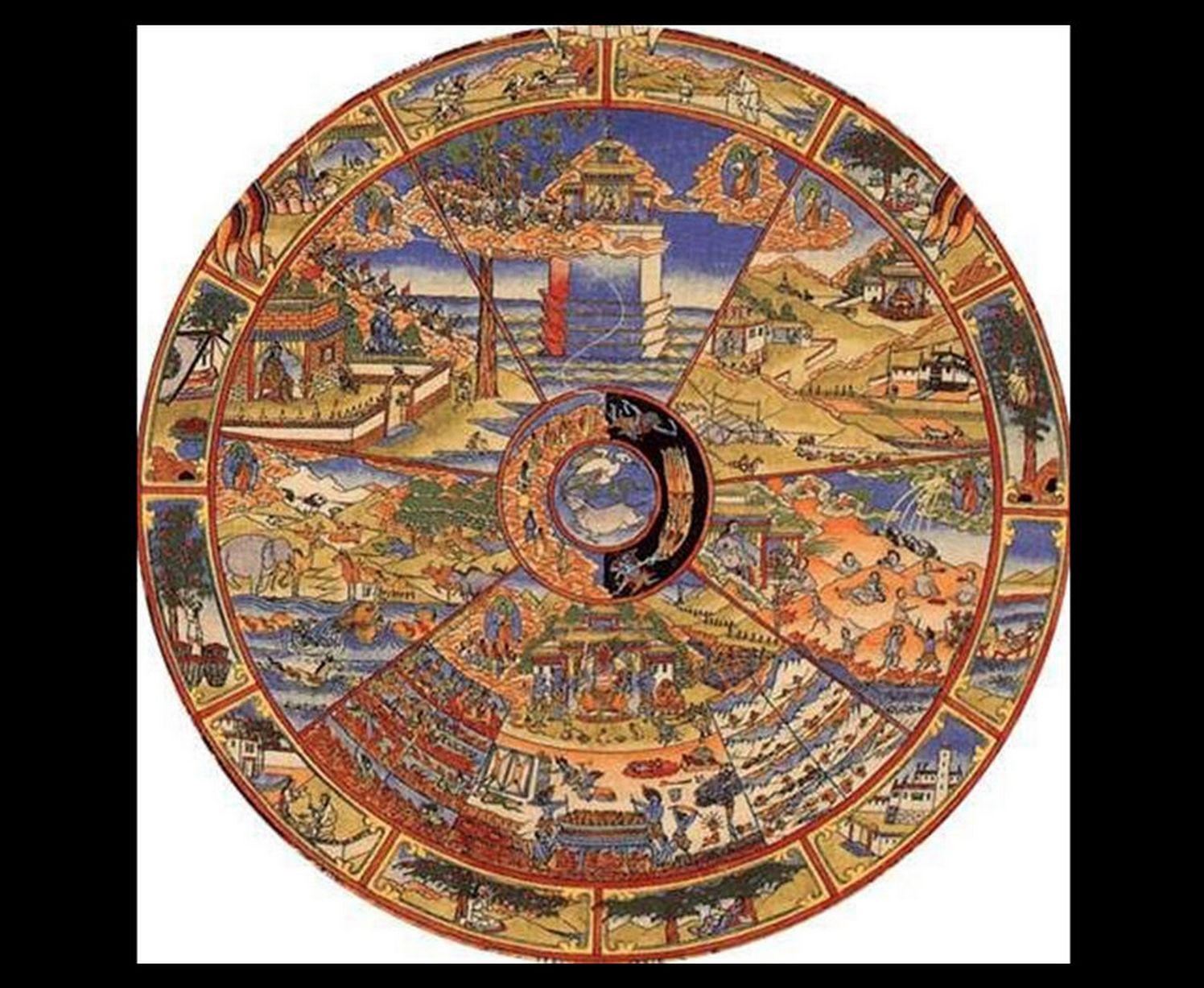
The Cycle of Samsara and the Goal of Moksha
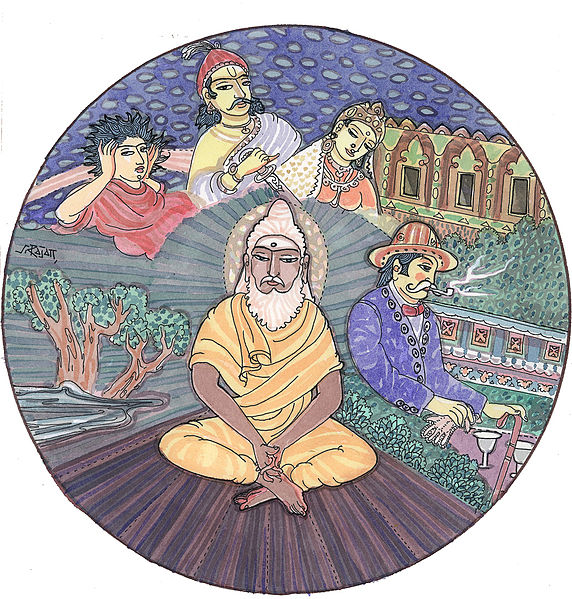
According to Hindu beliefs, life is an endless cycle of birth, death, and rebirth, known as samsara. Each life presents an opportunity for the soul to evolve, to refine its actions and intentions, and to accumulate karma. Karma, the law of cause and effect, binds the soul to the cycle of samsara, perpetuating its existence in the material world.
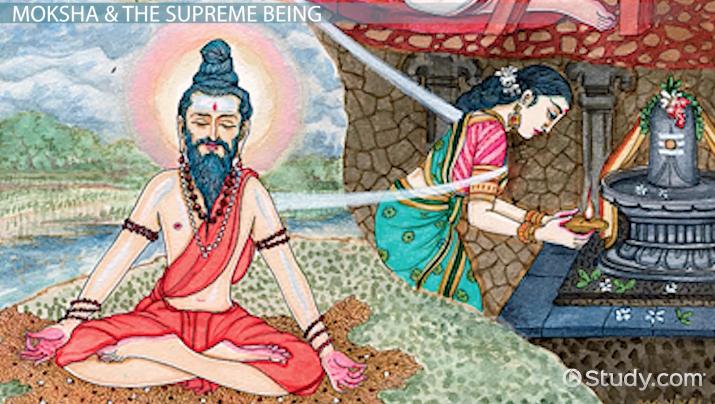
The ultimate goal of the Hindu spiritual path is not to escape this cycle but to transcend it, to achieve a state of liberation known as moksha. Moksha is the breaking free from the chains of karma and the attainment of a blissful, eternal union with the divine.
The Nature of Death in Hinduism
Hinduism does not view death as a fearful or tragic event. Rather, it is a natural part of the soul’s journey. The body, like a garment, is shed when its purpose is fulfilled. The soul, however, endures, embarking on its next adventure in the cycle of reincarnation.
The Bhagavad Gita, one of Hinduism’s most revered texts, states that:
“As a man casts off his worn-out garments and puts on new ones, so the embodied self casts off its worn-out bodies and enters new ones.” (Bhagavad Gita, Chapter 2, Verse 22)
Preparing for Death through Rituals and Practices
In Hinduism, preparing for death is an essential part of the spiritual journey. Various rituals and practices are observed to help the individual navigate the transition from this life to the next.
- Antyeshti: A funeral rite performed to purify the body of the deceased and release their soul.
- Pitra Puja: An offering made to the ancestors, acknowledging their role in the individual’s life.
- Gayatri Mantra: A sacred chant recited at the time of death to guide the soul on its journey.
- Yoga and Meditation: Practices that cultivate inner peace, self-awareness, and detachment.
The Path to Moksha
The pursuit of moksha requires a multifaceted approach, encompassing both spiritual practices and ethical conduct. Key elements include:
- Karma Yoga: Selfless service performed without expectation of reward.
- Bhakti Yoga: Devotion to a personal form of the divine.
- Jnana Yoga: Seeking knowledge and understanding of the nature of reality.
- Raja Yoga: The practice of meditation and self-discipline to control the mind and body.
The Ultimate Destination
Upon achieving moksha, the soul merges with the divine, experiencing a state of eternal bliss and liberation. This state transcends all dualities, including life and death, pleasure and pain. It is a realm where the soul is forever free from the constraints of the material world and exists in perfect harmony with the universe.
Conclusion
The Hindu philosophy on death and the pursuit of moksha provides a profound and comforting perspective on the inevitability of human mortality. By understanding the eternal nature of the soul and the cycle of rebirth, individuals can embrace death as a natural transition and strive to live a life that honors their spiritual aspirations. Through rituals, practices, and a commitment to ethical conduct, they can prepare for their ultimate liberation from the bonds of samsara and attain the blissful state of moksha.# Seeking Liberation: The Hindu Philosophy On Death And The Pursuit Of Moksha
Executive Summary
Hinduism, one of the oldest and most complex religions in the world, offers a unique perspective on death and the afterlife. The ultimate goal of Hindu religious practice—moksha—is liberation from the cycle of birth and death, and the attainment of a state of eternal bliss. This article explores the Hindu philosophies surrounding death, reincarnation, and the path to moksha.
Introduction
In the tapestry of human existence, death holds a profound and universal significance. Across cultures and epochs, humanity has grappled with the enigmatic nature of mortality and sought solace in spiritual and philosophical traditions seeking answers. Hinduism, a vibrant and multifaceted religion practiced by over a billion adherents worldwide, offers a rich and profound understanding of death and the afterlife.
FAQ
-
What is the Hindu concept of death?
- Death is a natural and inevitable transition in the cycle of samsara, the endless cycle of birth, death, and rebirth.
- The soul, or atman, is eternal and indestructible, and it transmigrates from one body to another after death.
-
What is the goal of Hindu religious practice?
- The ultimate goal is to achieve moksha, or liberation from the cycle of samsara.
- Moksha is a state of perfect bliss and freedom from suffering, and it can be achieved through spiritual practices, such as yoga, meditation, and service to others.
-
What happens after death according to Hinduism?
- After death, the soul embarks on a journey through various realms, depending on its karma, or the sum total of its actions in previous lives.
- The soul may be reborn into a new body, or it may experience a period of purification in purgatory.
- Eventually, the soul may achieve moksha and be liberated from the cycle of samsara.
Subtopics
Karma and Reincarnation
- Karma refers to the law of cause and effect, and it governs the cycle of birth, death, and rebirth.
- The actions of individuals in this life determine their fate in future lives.
- Reincarnation is the process by which the soul transmigrates from one body to another after death.
The Four Goals of Life
- Hinduism recognizes four primary goals of human existence:
- Dharma: righteous conduct and moral duty
- Artha: material wealth and prosperity
- Kama: sensual pleasure and desires
- Moksha: liberation from the cycle of birth and death
The Stages of Life
- Hindu scriptures describe four distinct stages of human life:
- Brahmacharya: the student stage (from birth to around 25 years of age)
- Grihastha: the householder stage (from around 25 to 50 years of age)
- Vanaprastha: the forest-dwelling stage (from around 50 to 75 years of age)
- Sannyasa: the renunciate stage (from around 75 years of age onwards)
The Nature of Moksha
- Moksha is the ultimate goal of Hindu religious practice, and it is a state of perfect bliss and liberation from suffering.
- Moksha can be achieved through a variety of spiritual practices, such as yoga, meditation, and service to others.
- It is a state of union with the divine, and it is characterized by an end to the cycle of birth, death, and rebirth.
The Path to Moksha
- The path to moksha is long and arduous, and it requires unwavering dedication and perseverance.
- It involves following the four stages of life, practicing Dharma, and engaging in spiritual practices.
- The ultimate goal is to achieve a state of pure consciousness and liberation from the bonds of the material world.
Conclusion
The Hindu philosophy on death and the pursuit of moksha offers a profound and transformative perspective on the human condition. Death, as it is perceived in Hinduism, is not an end but a transition to a new phase of existence. Through the understanding of karma and reincarnation, practicing Dharma, and engaging in spiritual practices, individuals can progress towards the ultimate goal of moksha and achieve liberation from the cycle of birth and death.
Keyword Tags
- Hinduism
- Death
- Reincarnation
- Moksha
- Karma