
From Fish to Warrior: The Evolution of Lord Vishnu’s Avatars
Lord Vishnu is one of the most important gods in the Hindu pantheon. He is known as the preserver and protector of the universe. Vishnu has taken many avatars, or incarnations, throughout history to protect the world from evil.
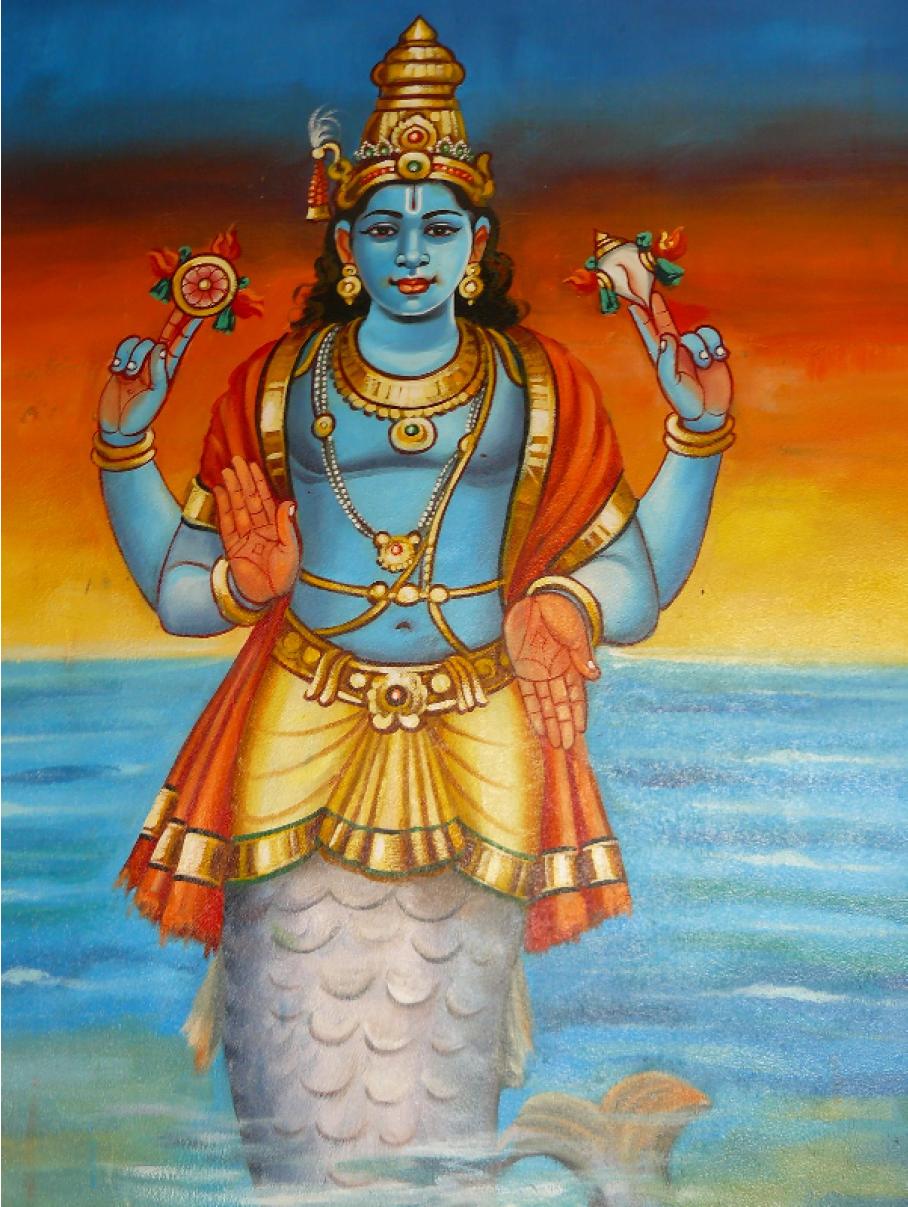
The Matsya avatar was the first avatar of Vishnu. He took the form of a fish to save the world from a great flood. Vishnu warned Manu, the first man, of the coming flood and instructed him to build a boat to save himself and his family. Matsya then guided the boat to safety.
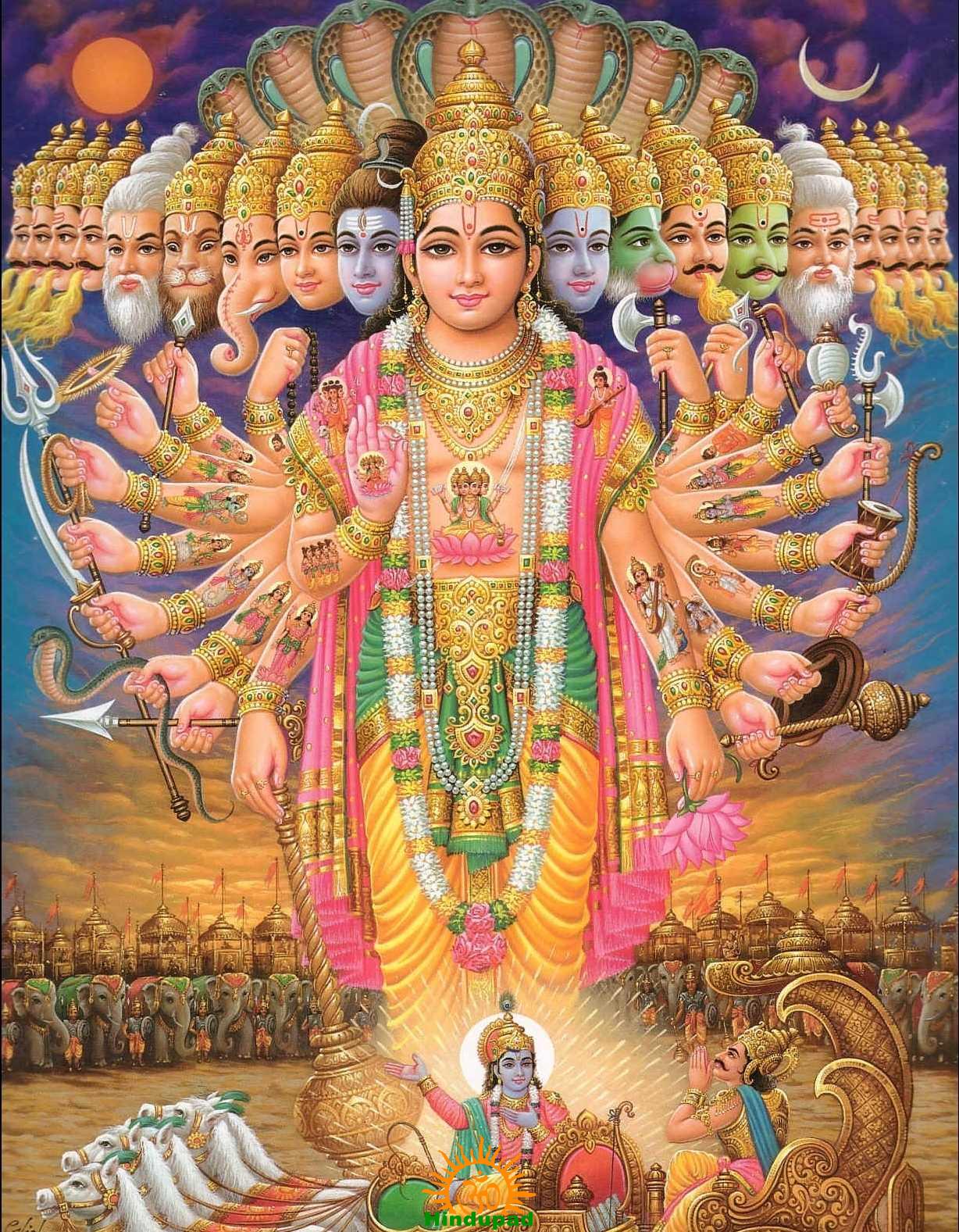
The Kurma avatar was the second avatar of Vishnu. He took the form of a tortoise to support Mount Mandara during the churning of the ocean of milk. The churning of the ocean was a great event that produced many wonderful things, including the nectar of immortality. Kurma provided a stable base for the mountain to rest on, ensuring that the churning was successful.
The Varaha avatar was the third avatar of Vishnu. He took the form of a boar to rescue the earth from the demon Hiranyaksha. Hiranyaksha had stolen the earth and taken it to the bottom of the ocean. Vishnu as Varaha fought Hiranyaksha and killed him, returning the earth to its proper place.
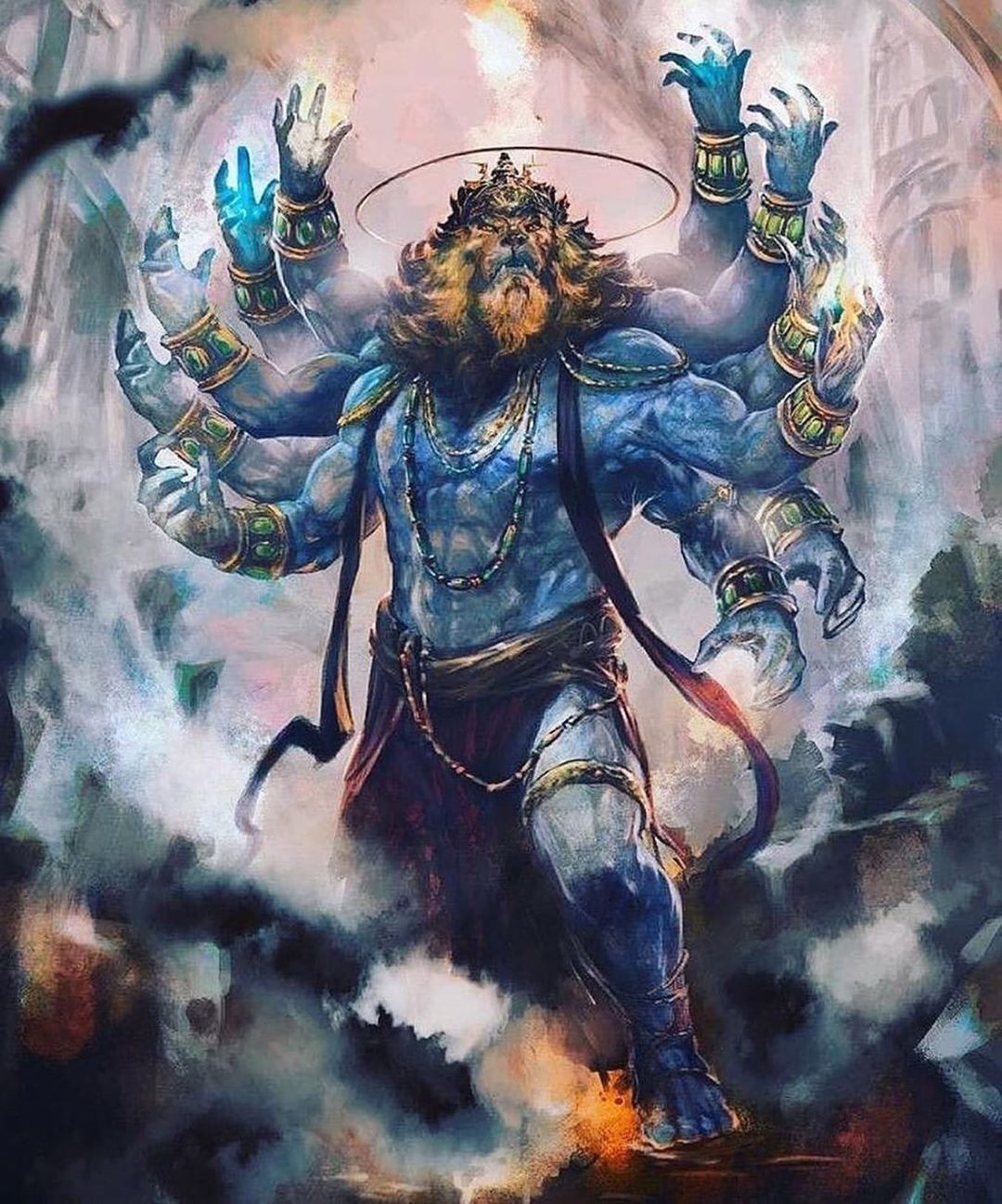
The Narasimha avatar was the fourth avatar of Vishnu. He took the form of a half-man, half-lion to kill the demon Hiranyakashipu. Hiranyakashipu was the brother of Hiranyaksha and he had a boon that he could not be killed by man or beast. Vishnu as Narasimha was able to kill Hiranyakashipu because he was neither man nor beast.
The Vamana avatar was the fifth avatar of Vishnu. He took the form of a dwarf to defeat the demon Bali. Bali had become so powerful that he was threatening to conquer the heavens. Vishnu as Vamana approached Bali and asked for three paces of land. Bali agreed, but Vamana then grew to a gigantic size and took three paces that covered the entire universe. Bali was defeated and Vishnu restored order to the world.
The Parashurama avatar was the sixth avatar of Vishnu. He took the form of a warrior to defeat the kshatriyas, or warrior class. The kshatriyas had become corrupt and were abusing their power. Vishnu as Parashurama killed many kshatriyas and restored the balance of power in the world.
The Rama avatar was the seventh avatar of Vishnu. He took the form of a prince to defeat the demon Ravana. Ravana had kidnapped Rama’s wife, Sita. Vishnu as Rama fought Ravana and killed him, rescuing Sita and restoring her to her husband.
The Krishna avatar was the eighth avatar of Vishnu. He took the form of a cowherd to defeat the demon Kamsa. Kamsa was Rama’s uncle and he had a prophecy that he would be killed by his nephew. Kamsa tried to kill Krishna many times, but Krishna always escaped. Finally, Krishna killed Kamsa and restored peace to the kingdom.
The Buddha avatar was the ninth avatar of Vishnu. He took the form of a prince to teach the world about the path to enlightenment. The Buddha preached a message of peace and non-violence. He taught that the root of all suffering is attachment and that the way to liberation is to let go of attachment.
The Kalki avatar will be the tenth and final avatar of Vishnu. He will take the form of a warrior on a white horse to defeat the forces of evil at the end of the world. Kalki will restore order to the universe and usher in a new golden age.
The avatars of Vishnu are a testament to his power and compassion. He has taken many forms to protect the world from evil and to restore order. Vishnu is a benevolent god who is always there to help those who are in need.## From Fish to Warrior: The Evolution of Lord Vishnu’s Avatars
Executive Summary
Lord Vishnu’s avatars are divine manifestations that play a pivotal role in safeguarding the cosmic order and guiding humanity. From humble aquatic creatures to valiant warriors, each avatar represents a unique aspect of Vishnu’s power and compassion. This article explores the evolution of these avatars, highlighting their purpose, symbolism, and significance in Hindu mythology.
Introduction
Lord Vishnu, one of the three supreme gods of the Hindu trinity, is renowned for his role as the preserver and protector of the universe. Throughout history, Vishnu has manifested in numerous avatars to fulfill specific tasks and restore balance to the world. These avatars have evolved from humble marine creatures to formidable warriors, each embodying a different aspect of Vishnu’s divine nature.
FAQs
-
What is the significance of Lord Vishnu’s avatars?
- Vishnu’s avatars are divine manifestations that serve as agents of cosmic order, protecting the virtuous, vanquishing evil, and restoring balance to the world.
-
How many avatars of Lord Vishnu are there?
- According to Hindu mythology, there are ten major avatars of Lord Vishnu, each appearing during a specific cosmic age or period of time.
-
What is the purpose of each avatar?
- Each avatar has a distinct purpose and role to play, whether it be establishing righteousness, destroying evil, or guiding humanity on the path of dharma.
The Evolution of Lord Vishnu’s Avatars
Matsya: The Fish
- Purpose: To preserve the universe during the great cosmic flood
- Symbolism: Represents the origin of life from water
- Important Aspects:
- Saved the Vedas and King Manu from a global cataclysm
- Guided Manu to establish a new world order
Kurma: The Tortoise
- Purpose: To uphold Mount Mandara during the churning of the cosmic ocean
- Symbolism: Represents stability and patience
- Important Aspects:
- Provided support for the cosmic churning
- Served as a foundation for the emergence of divine treasures
Varaha: The Boar
- Purpose: To rescue the earth goddess, Bhudevi, from the demon Hiranyaksha
- Symbolism: Represents strength and determination
- Important Aspects:
- Lifted the earth out of the cosmic waters
- Defeated Hiranyaksha, restoring the balance of good and evil
Narasimha: The Man-Lion
- Purpose: To vanquish the demon Hiranyakashipu
- Symbolism: Represents the fierceness and wrath of Vishnu
- Important Aspects:
- Tore open Hiranyakashipu’s chest
- Restored justice and protected the innocent
Vamana: The Dwarf
- Purpose: To outwit the demon king Bali and restore the kingdom of the gods
- Symbolism: Represents humility and wisdom
- Important Aspects:
- Covered the entire universe in three steps
- Banished Bali to the underworld
Conclusion
Lord Vishnu’s avatars are a testament to his infinite power and compassion. Each avatar, from the humble Matsya to the valiant Vamana, represents a unique expression of his divine nature. By understanding the evolution of these avatars, we gain a deeper appreciation for the role of divine intervention in shaping the destiny of the universe and guiding the path of humanity.
Keyword Tags
- Lord Vishnu’s Avatars
- Preserver and Protector
- Cosmic Order
- Hindu Mythology
- Divine Manifestations