Advaita Vedanta: Embracing Unity and Dissolving Ego for Inner Awakening
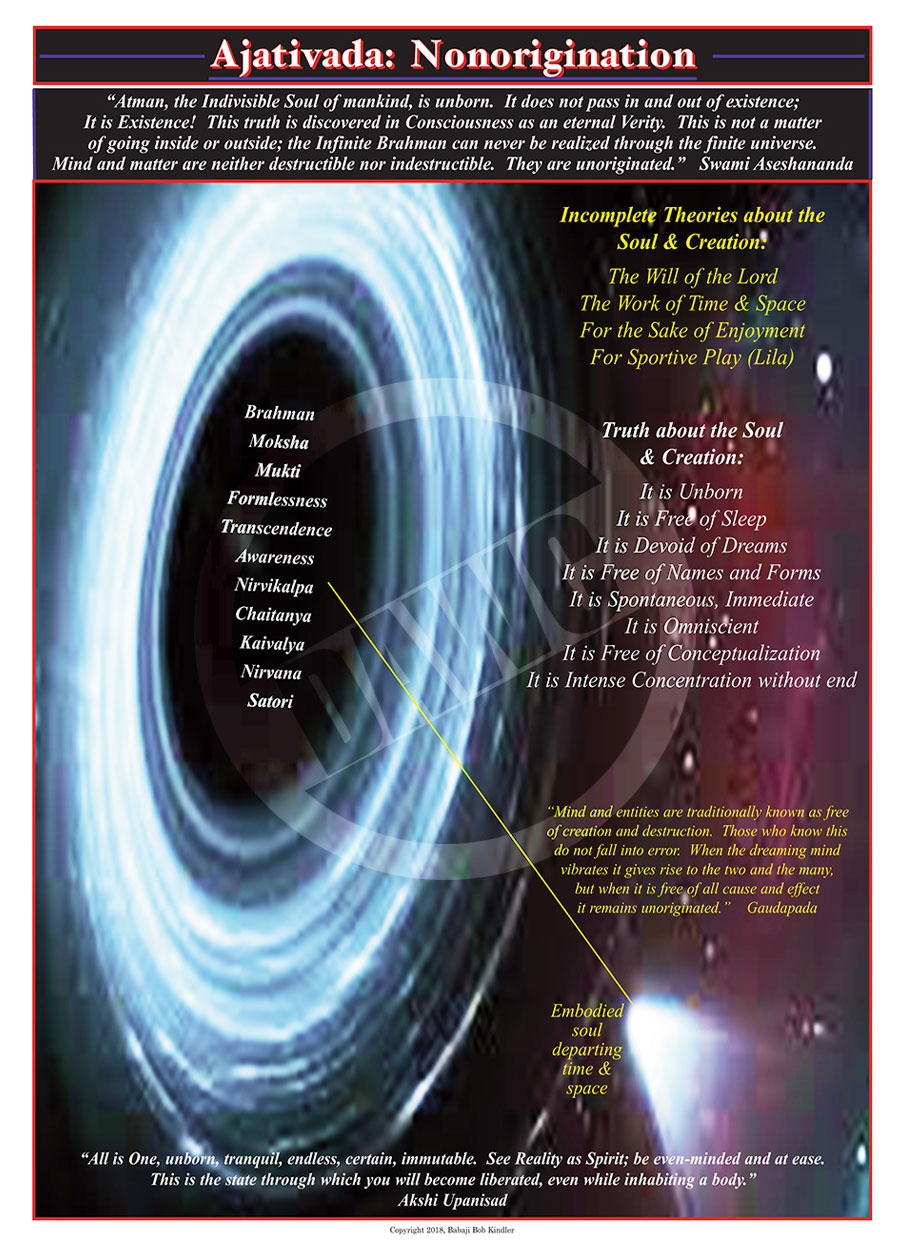
Advaita Vedanta, an ancient Indian philosophy, emphasizes the fundamental unity of all existence. Its primary focus lies in recognizing the oneness of the individual soul (Atman) with the universal consciousness (Brahman), ultimately dissolving the ego and leading to inner awakening.
Key Concepts:

- Brahman: The ultimate reality, an all-encompassing, infinite, and eternal consciousness.
- Atman: The inner essence of an individual, identical to Brahman.
- Maya: The illusion that separates us from Brahman, creating the duality of the world.
- Ego: The sense of separate self, an obstacle to realizing our true nature.
Embracing Unity:
Advaita Vedanta teaches that we are not separate entities but interconnected manifestations of Brahman. By cultivating mindfulness and introspection, we begin to transcend the limitations of our individual selves and experience the boundless nature of consciousness.
Dissolving Ego:
The ego, rooted in Maya, is a false construction that blinds us to our true nature. Through practices such as meditation and self-inquiry, we gradually weaken the hold of ego and recognize its illusory nature.
Inner Awakening:
As the ego dissolves, we awaken to our true nature as Brahman. This inner awakening brings profound peace, joy, and freedom. It is not an external event but a realization of our existing unity with the universe.
Practical Applications:
Advaita Vedanta provides practical strategies for dissolving ego and embracing unity, including:
- Meditation: Regular meditation helps quiet the mind, allowing us to experience the stillness and vastness within.
- Self-Inquiry: Asking deep questions about our true nature exposes the limitations of the ego and points us towards the ultimate truth.
- Service to Others: By serving others without seeking recognition, we transcend the boundaries of self and experience a sense of oneness.
Benefits:
Embracing Advaita Vedanta leads to numerous benefits, such as:
- Reduced stress and anxiety
- Increased self-awareness and acceptance
- Enhanced intuition and creativity
- A sense of purpose and fulfillment
- A profound connection to the universe
Advaita Vedanta offers a transformative path towards inner awakening, empowering us to dissolve the ego, embrace unity, and experience the full potential of our consciousness. By recognizing our true nature, we unlock boundless joy, peace, and freedom within.## Advaita Vedanta: Embracing Unity And Dissolving Ego For Inner Awakening
Executive Summary
Advaita Vedanta, a profound school of thought within Hinduism, offers a transformative path to self-realization. By cultivating unity consciousness and surrendering the ego, individuals can access profound states of awareness and experience their true nature. This article explores the key tenets of Advaita Vedanta, guiding readers through its principles, practices, and transformative potential.
Introduction
In the tapestry of human experience, the quest for meaning and fulfillment remains an eternal pursuit. Advaita Vedanta, a revered philosophical system from ancient India, presents a compelling path to inner awakening by dissolving the boundaries of the ego and fostering unity consciousness. This article delves into the profound teachings of Advaita Vedanta, revealing how its principles can guide us toward profound self-realization and lasting fulfillment.
Frequently Asked Questions
1. What is the fundamental principle of Advaita Vedanta?
- Brahman: Advaita proclaims the existence of Brahman as the singular, unchanging, and infinite consciousness that permeates all reality.
2. How does Advaita Vedanta differ from other spiritual paths?
- Non-duality: Advaita teaches that the individual self (atman) and Brahman are fundamentally non-dual, recognizing the unity of existence.
3. What are the practical methods to cultivate Advaita consciousness?
- Meditation: Regular meditation practices help quiet the mind, foster inner silence, and allow the realization of oneness with Brahman.
The Five Essential Tenets of Advaita Vedanta
1. The Nature of Reality (Brahman)
- All-pervading: Brahman, the ultimate reality, permeates every aspect of existence, both manifest and unmanifest.
- Unchanging: Brahman remains untouched by time and space, unaffected by the changes of the phenomenal world.
- Transcendental: Brahman transcends the limitations of our senses and intellectual understanding, existing beyond form and name.
2. The Individual Self (Atman)
- Not separate: The individual self (atman) is not separate from Brahman but an expression of its infinite nature.
- Immutable: Like Brahman, atman is immutable and unchangeable, unaffected by the experiences of the body and mind.
- Witness consciousness: Atman is the witness consciousness that observes and experiences all phenomena without attachment.
3. Maya and the Illusion of Duality
- Veil of Illusion: Maya is the cosmic illusion that creates the perception of duality and separateness.
- Distorts reality: Maya conceals the true nature of reality, causing us to perceive the world as distinct from ourselves.
- Evolving beyond Maya: The path of Advaita seeks to transcend the limitations of Maya and realize the unity of existence.
4. The Ego and Its Dissolution
- False identity: The ego is a conditioned construct that creates a sense of separation and individuality.
- Obstacle to realization: The ego’s clinging to the idea of separateness hinders the realization of unity with Brahman.
- Surrendering the ego: The practice of Advaita involves surrendering the ego’s false sense of self to experience true liberation.
5. The Path to Self-Realization
- Discrimination (viveka): Distinguishing between the real (Brahman) and the unreal (Maya).
- Renunciation (vairagya): Detaching from worldly desires and attachments that bind the ego.
- Self-inquiry (atma-vichara): Exploring the nature of the self through deep contemplation and meditation.
Conclusion
Advaita Vedanta offers a transformative path to self-realization by dissolving the ego and cultivating unity consciousness. By embracing the non-dual nature of reality, individuals can transcend the limitations of the mind and experience the boundless expanse of their true nature. Advaita Vedanta provides a profound framework for inner awakening, leading to lasting peace, fulfillment, and the ultimate realization of the unity of all existence.
Keyword Tags
- Advaita Vedanta
- Brahman
- Non-duality
- Ego dissolution
- Self-realization