Celebrating Diversity: Exploring Regional Variations in Hindu Practices Across India
India, a land of unparalleled cultural richness and diversity, is home to a vibrant tapestry of Hindu traditions. Hinduism, one of the world’s oldest religions, has evolved over centuries, influenced by regional cultures and beliefs. As a result, Hindu practices exhibit a fascinating range of variations across the country.

Regional Variations in Puja (Worship)
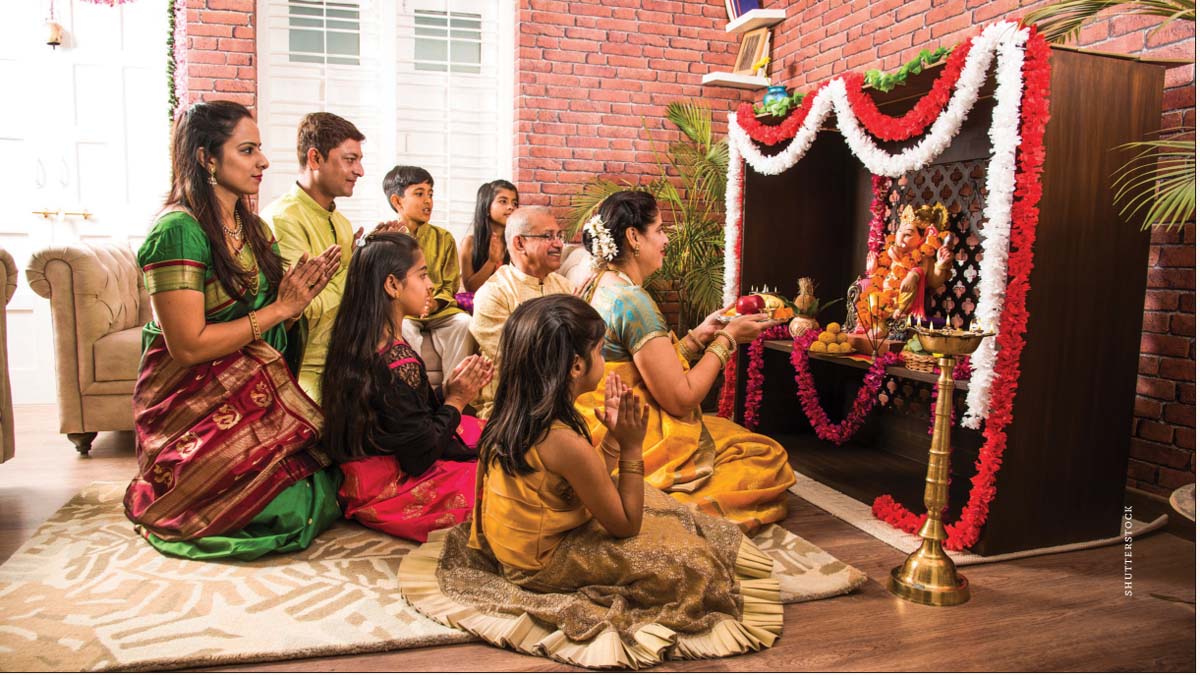
- North India: Rituals are performed in temples and at home, often involving elaborate ceremonies with priests.
- South India: Temples play a central role, with daily rituals and annual festivals honoring specific deities.
- East India: Worship focuses on Shakti (the feminine aspect of the divine) and is characterized by the use of tantric practices.
- West India: Devotion to Vishnu (preserver of the universe) is prevalent, and bhajans (devotional songs) are widely sung.
Diversity in Deities and Festivals
- North India: Lord Shiva, Hanuman, and Durga are widely revered. Festivals like Holi, Diwali, and Dussehra are celebrated with gusto.
- South India: Vishnu, Shiva, and Amman (Mother Goddess) are popular deities. Pongal, Onam, and Navratri are significant festivals.
- East India: Kali, Durga, and Tara are prominent goddesses, and festivals like Durga Puja and Kali Puja are grand spectacles.
- West India: Lord Krishna, Ganesha, and Vitthala are highly venerated. Ganesh Chaturthi and Gudi Padwa are celebrated with enthusiasm.
Variations in Religious Practices
- North India: Pilgrimage to sacred sites like Varanasi and Haridwar is common.
- South India: Temple visits and participation in festivals are central to religious life.
- East India: Tantric practices and meditation are prevalent.
- West India: Devotion to saints and spiritual gurus is emphasized.
Influence of Local Cultures
Regional variations in Hindu practices are also influenced by local cultures and traditions. For example:
- Kerala: Kathakali, a traditional dance-drama form, is closely associated with Hindu mythology.
- Tamil Nadu: Classical dances like Bharatanatyam and Carnatic music are integral to religious festivals.
- Goa: Hindu traditions blend with Portuguese colonial influences, resulting in unique festivals like Shigmo.
- West Bengal: Durga Puja is a grand celebration, showcasing the region’s artistic and cultural heritage.
Conclusion
The diversity of Hindu practices across India is a testament to the richness and adaptability of this ancient religion. From the elaborate rituals of North India to the vibrant festivals of South India, and from the tantric practices of East India to the devotional songs of West India, Hindu traditions have evolved to reflect the unique cultural identities of different regions. By exploring and celebrating these variations, we can foster a greater understanding and appreciation for the multifaceted nature of Hinduism and the cultural heritage that unites all Indians.## Celebrating Diversity: Exploring Regional Variations In Hindu Practices Across India
Executive Summary
India is a land of vibrant diversity, with a rich tapestry of cultures, traditions, and beliefs. Hinduism, the predominant religion in India, is no exception to this diversity, as its practices and traditions vary significantly from region to region. This article explores some of the key regional variations in Hindu practices across India, highlighting the unique ways in which Hinduism has adapted to the different cultural and geographical landscapes of the country.
Introduction
Hinduism is one of the world’s oldest and most diverse religions, with a history spanning over 5,000 years. Over the centuries, Hinduism has evolved and diversified, influenced by various cultural, geographical, and historical factors. As a result, Hindu practices vary significantly from region to region across India, reflecting the diverse cultural heritage and local traditions of each region.
FAQ
Q: Why do Hindu practices vary from region to region?
A: Hindu practices vary from region to region due to factors such as cultural influence, geographical conditions, historical events, and the influence of local traditions and beliefs.
Q: What are some of the most significant regional variations in Hindu practices?
A: Some notable regional variations include differences in temple architecture, deity worship, festivals, and rituals, as well as variations in religious beliefs and practices.
Q: How does this diversity impact the practice of Hinduism in India?
A: This diversity contributes to the richness and vibrancy of Hinduism, allowing for a wide range of expressions and interpretations of the religion. It also fosters tolerance and understanding among different Hindu communities.
Temple Architecture
Description: Hindu temples, known as mandirs, are architectural marvels that vary significantly in style and design from region to region. They reflect the cultural and artistic traditions of each region, often incorporating local building materials and architectural influences.
Important Aspects:
- North Indian Temples: Often characterized by tall shikharas (spires) and intricate carvings, representing the Nagara style of architecture.
- South Indian Temples: Known for their gopurams (gateway towers) and vast temple complexes, showcasing the Dravidian style of architecture.
- Eastern Indian Temples: Influenced by Buddhist and Tantric traditions, often featuring curved roofs and terracotta ornamentation.
- Western Indian Temples: Exhibit a blend of North Indian and South Indian styles, with intricate carvings and decorative elements.
- Himalayan Temples: Adapted to the mountainous terrain, often built with stone and featuring sloping roofs to withstand heavy snowfall.
Deity Worship
Description: The worship of deities is central to Hindu practices, with different regions having their own preferences and traditions regarding the deities they worship. This variation reflects the local cultural and historical influences on Hindu beliefs.
Important Aspects:
- North India: Shiva, Vishnu, and Devi are widely worshipped, with a strong emphasis on devotion and bhakti.
- South India: Vishnu and Shiva are the most popular deities, with a focus on temple rituals and festivals.
- Eastern India: Kali, Durga, and Lakshmi are prominent deities, reflecting the influence of Tantric traditions.
- Western India: Krishna and Vitthala are widely worshipped, with a strong devotional following.
- Himalayan Region: Shiva is the primary deity, often worshipped in the form of lingams (phallic symbols) in mountain caves and temples.
Festivals
Description: Hindu festivals are vibrant celebrations that mark important religious events, seasons, and mythological stories. Each region has its own unique festivals, reflecting local traditions and cultural influences.
Important Aspects:
- North India: Diwali, Holi, and Navratri are widely celebrated with colorful rituals, fireworks, and feasts.
- South India: Pongal, Onam, and Ganesh Chaturthi are popular festivals, often involving harvest rituals and cultural performances.
- Eastern India: Durga Puja, Kali Puja, and Rath Yatra are grand celebrations with elaborate processions and cultural performances.
- Western India: Ganesh Chaturthi and Makar Sankranti are major festivals, featuring immersion ceremonies and kite-flying competitions.
- Himalayan Region: Losar and Hemis Festival are unique festivals, celebrating the Tibetan Buddhist influence in the region.
Rituals and Customs
Description: Hindu rituals and customs play a significant role in daily life and religious observances. These practices vary from region to region, reflecting local traditions and beliefs.
Important Aspects:
- North India: Sandhya Vandanam (evening worship), Ganga Snan (bathing in the Ganges), and Pitru Tarpan (ancestral offerings) are common practices.
- South India: Thevaram and Thiruvasagam (devotional hymns), Bharatanatyam (classical dance), and temple rituals are prominent practices.
- Eastern India: Yajnas (fire sacrifices), Tantric practices, and Devi Puja (worship of the goddess) are prevalent.
- Western India: Aarti (lamp worship), bhajans (devotional songs), and the celebration of Gujarat’s unique festivals are common practices.
- Himalayan Region: Mantras (sacred chants), meditation, and the use of prayer wheels are influenced by Tibetan Buddhist traditions.
Conclusion
The regional variations in Hindu practices across India are a testament to the diversity and adaptability of this ancient religion. These variations reflect the unique cultural heritage and local traditions of each region, enriching the overall fabric of Hinduism. By understanding and appreciating these regional differences, we can foster greater tolerance, understanding, and respect for the diverse ways in which Hinduism is practiced and experienced throughout the vast tapestry of Indian culture.
Keyword Tags
- Hindu Practices
- Regional Variations
- Temple Architecture
- Deity Worship
- Festivals