The Role of Festivals in Hinduism: Celebrating Faith and Traditions
Hinduism, one of the world’s oldest and most diverse religions, boasts a rich tapestry of festivals that play a pivotal role in its culture and beliefs. These festivals, celebrated with zeal and devotion, serve as a vibrant expression of faith, a celebration of traditions, and an opportunity for spiritual growth.

Historical Significance
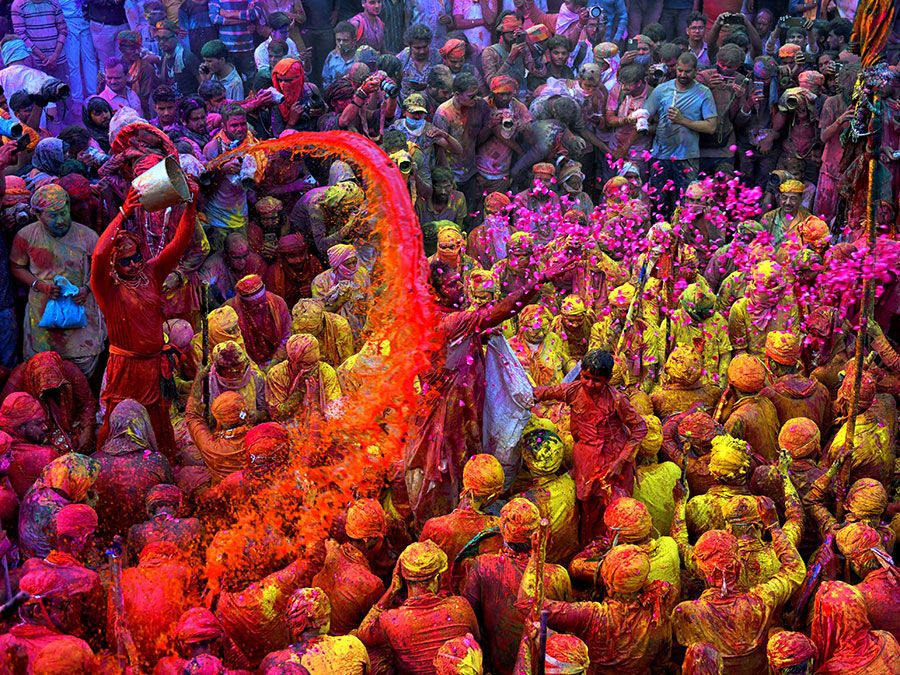
Hindu festivals are deeply rooted in the ancient scriptures known as the Vedas and Puranas. These texts narrate the stories and legends that form the basis of these festivities, connecting them to the lives and teachings of revered deities and mythical figures. For example, Diwali commemorates the victory of good over evil, while Holi celebrates the triumph of spring over winter.
Religious Observances
At the heart of Hindu festivals lie religious observances and rituals. These practices vary depending on the festival but often involve temple visits, prayers, offerings, and special ceremonies. Devotees seek blessings from deities, express gratitude for their presence, and pray for guidance and protection. The rituals associated with festivals serve to reinforce the bond between the individual and the divine.
Cultural Expressions
Hindu festivals are not only religious events but also significant cultural expressions. They provide an occasion for communities to come together and showcase their traditions, art, and music. Music, dance, and colorful processions are integral parts of many festivals. For instance, the Navratri festival in Gujarat is renowned for its vibrant Garba dance performances.
Social Cohesion
Festivals play a vital role in strengthening social cohesion within Hindu communities. They provide opportunities for people from all walks of life to mingle, share meals, and engage in shared celebrations. Festivities create a sense of belonging and foster a spirit of unity and camaraderie among participants.
Spiritual Growth
Beyond their social and cultural aspects, Hindu festivals offer avenues for spiritual growth and introspection. The rituals and practices associated with festivals encourage devotees to reflect on their relationship with the divine, cultivate gratitude, and strive for spiritual purification. They serve as reminders of the ultimate goal of Hinduism: self-realization and liberation from the cycle of birth and rebirth.
Contemporary Relevance
While Hindu festivals have ancient roots, they continue to hold immense relevance in contemporary society. In a world often characterized by fragmentation and uncertainty, these festivities provide a sense of stability and connection. They remind Hindus of their rich heritage, foster a sense of community, and offer opportunities for spiritual growth and renewal.
Conclusion
Hindu festivals are vibrant and multifaceted expressions of faith, tradition, and culture. They serve as a bridge between the past, present, and future, connecting Hindus to their divine origins, fostering social cohesion, and providing opportunities for spiritual growth. As Hinduism continues to evolve and adapt to a changing world, its festivals remain essential touchstones that preserve its core values and promote unity, harmony, and the pursuit of the divine.## [The Role Of Festivals In Hinduism: Celebrating Faith And Traditions]
Executive Summary
Hinduism is a religion with a rich and diverse culture that is expressed in various ways, including through festivals. These festivals play a significant role in the lives of Hindus, providing opportunities for spiritual growth, community bonding, and cultural expression. This article explores the significance of festivals in Hinduism, discussing their origins, types, and impact on individuals and society.
Introduction
Festivals hold a central place in the Hindu faith, serving as vibrant expressions of religious beliefs and traditions. They are deeply ingrained in the cultural fabric of Hinduism, providing opportunities for devotees to connect with the divine, celebrate their heritage, and strengthen their sense of community.
FAQs
1. What is the significance of festivals in Hinduism?
Hindu festivals are multifaceted events that offer spiritual, cultural, and social benefits. They allow devotees to worship deities, commemorate religious events, and participate in rituals and ceremonies. Festivals are also a time for family and community gatherings, fostering bonds and a sense of belonging.
2. How many festivals are celebrated in Hinduism?
There are numerous Hindu festivals celebrated throughout the year, with each region and community having its own unique traditions and observances. Some of the most prominent festivals include Diwali, Holi, Ganesh Chaturthi, Navratri, and Durga Puja.
3. What are the main types of Hindu festivals?
Hindu festivals can be broadly categorized into three primary types:
- Seasonal festivals are associated with changes in the seasons and often celebrate agricultural cycles.
- Religious festivals commemorate specific deities, mythological events, and historical milestones in Hinduism.
- Social festivals promote community bonding, harmony, and well-being.
Top Subtopics
Religious Festivals
Religious festivals are the most central to the Hindu faith. They honor specific deities and celebrate important events in Hindu mythology. Some key religious festivals include:
- Diwali: The festival of lights, celebrated to mark the victory of good over evil and the return of Lord Rama to Ayodhya.
- Holi: The festival of colors, celebrated to welcome spring and promote joy and unity.
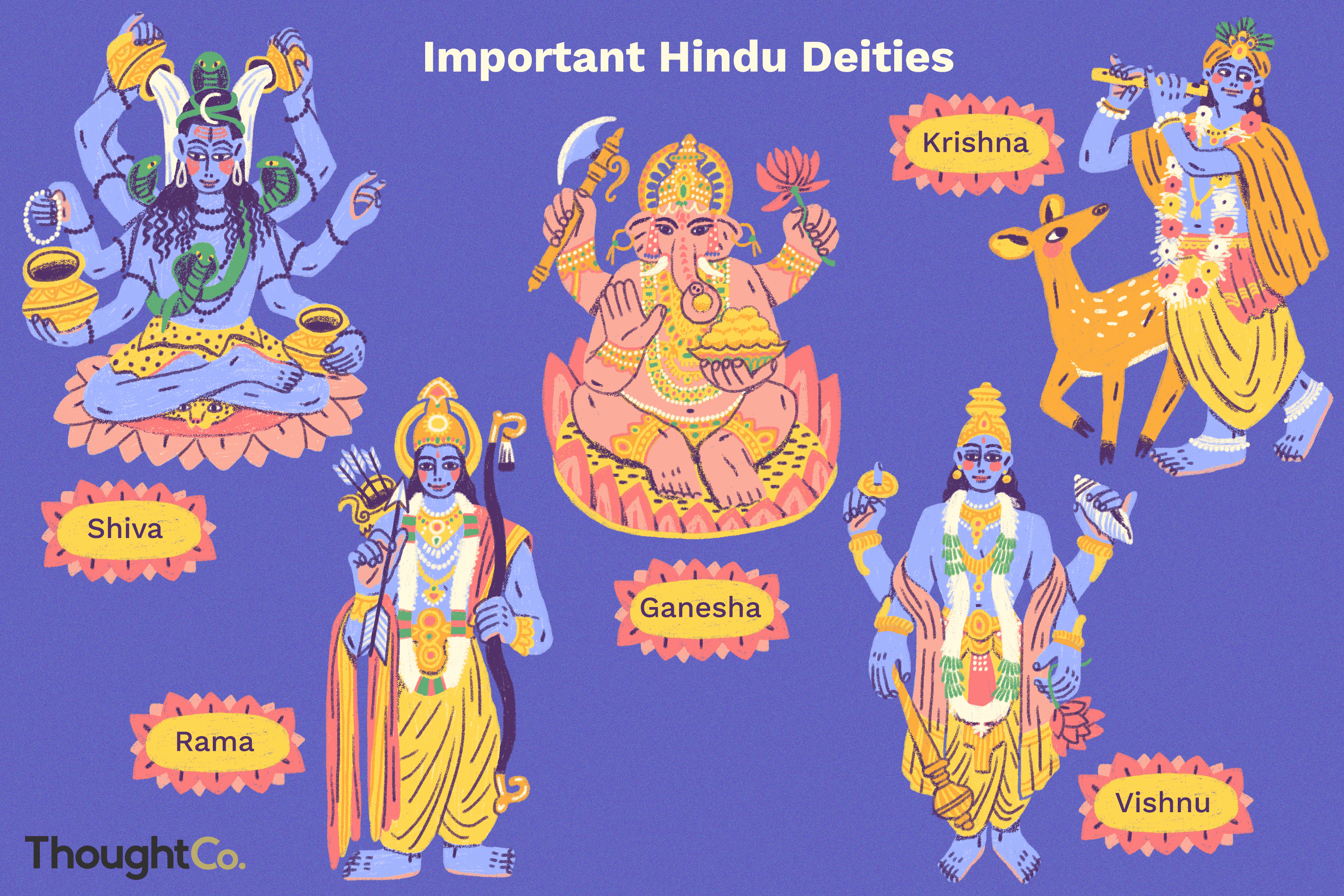
- Ganesh Chaturthi: A festival honoring Lord Ganesha, the remover of obstacles, and is marked by the installation of clay idols of the deity.
- Navratri: A nine-night festival dedicated to the worship of the goddess Durga, symbolizing the victory of good over evil.
- Durga Puja: A festival celebrating the goddess Durga’s triumph over the demon Mahishasura, marking the end of the nine-day Navratri period.
Seasonal Festivals
Seasonal festivals are closely tied to the agricultural calendar and celebrate changes in the seasons. They often involve rituals and observances related to farming and nature. Some important seasonal festivals include:
- Makar Sankranti: Celebrates the arrival of spring, marked by kite-flying and the consumption of sweet delicacies.
- Vasant Panchami: Welcomes the spring season, honors the goddess Saraswati, and is dedicated to education and knowledge.
- Ugadi: A new year’s festival, celebrated in different regions of India and marks the beginning of the Hindu calendar.
- Onam: A harvest festival celebrated in Kerala, characterized by traditional boat races, feasts, and cultural performances.
- Pongal: A Tamil harvest festival honoring the sun god Surya and celebrating the end of the monsoon season.
Social Festivals
Social festivals emphasize community bonding and promote values of harmony and well-being. They often involve folk traditions, music, and dance. Some significant social festivals include:
- Raksha Bandhan: Celebrates the bond between brothers and sisters, symbolized by sisters tying a protective thread on their brothers’ wrists.
- Janmashtami: Commemorates the birth of Lord Krishna, marked by elaborate celebrations, dances, and recitation of holy texts.
- Mahashivratri: A festival dedicated to Lord Shiva, observed through fasting, meditation, and all-night worship.
- Karwa Chauth: A festival celebrated by married women who fast for the well-being of their husbands.
- Bhaidooj: A festival that honors the bond between siblings, similar to Raksha Bandhan but celebrated by brothers offering gifts to their sisters.
Cultural Impact
Hindu festivals have a profound impact on Indian culture and society:
- Preserving traditions: Festivals uphold and передать rich cultural heritage, passing down traditions to future generations.
- Unity and harmony: Festivals foster community bonding, bridging social gaps and promoting inclusivity.
- Economic benefits: Festivals generate economic activity through tourism, trade, and the sale of traditional goods and crafts.
- National identity: Hindu festivals shape India’s national identity, contributing to a sense of pride and shared cultural heritage.
- Personal growth: Festivals provide opportunities for spiritual reflection, personal transformation, and the development of religious virtues.
Conclusion
Hindu festivals are integral to the faith and culture of Hinduism. They provide a platform for spiritual growth, community bonding, and the expression of religious beliefs. Through their diverse forms and traditions, Hindu festivals contribute to the richness and vibrancy of Indian society, preserving traditions, promoting unity, and fostering personal development.
Keyword Tags
- Hindu festivals
- Religious festivals
- Seasonal festivals
- Social festivals
- Cultural impact