
The Bhakti Movement: Stories of Love and Devotion in Hinduism
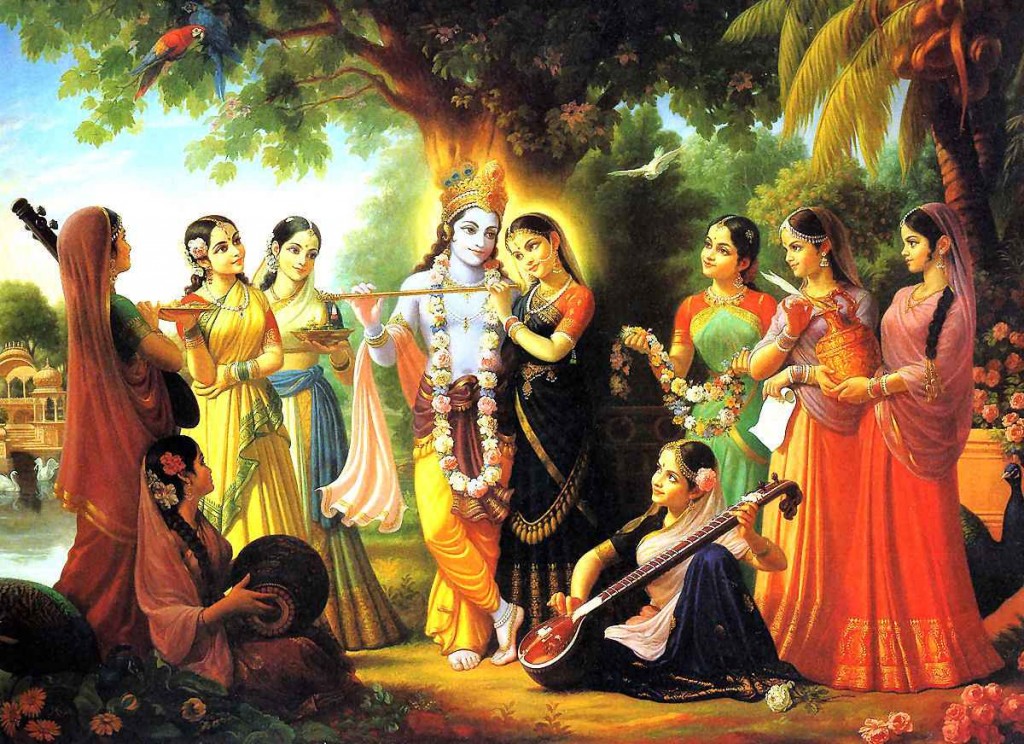
The Bhakti movement was a Hindu religious movement that emerged in the 7th century and swept across India for centuries. It emphasized the path of devotion and love as the primary means to attain spiritual liberation. This movement produced some of the most enduring and beloved stories in Hinduism, filled with tales of unwavering faith, divine miracles, and the transformative power of love.
Mirabai’s Unwavering Devotion
Mirabai, a 16th-century princess, is known for her ardent devotion to Lord Krishna. Despite her family’s disapproval, she abandoned her royal life to pursue her spiritual path. She composed over a thousand devotional songs, known as “Mirabai ki Bhajans,” which expressed her unwavering love for Krishna. Mirabai’s story exemplifies the radical nature of the Bhakti movement, as it challenged societal norms and promoted the idea of personal devotion above all else.
Ravidas’s Liberation Through Love
Ravidas was a 15th-century saint and poet who belonged to the lowest caste in Hindu society. Despite facing discrimination, he remained steadfast in his devotion to God. His teachings emphasized the equality of all beings and the power of love to transcend social boundaries. One famous story tells of Ravidas sitting in a temple with upper-caste devotees. When they objected to his presence, God himself appeared and declared that Ravidas’s love for him surpassed any caste distinction.
Tukaram’s Miraculous Visions
Tukaram was a 17th-century saint from Maharashtra. He experienced numerous divine visions throughout his life, which he recorded in his devotional songs, known as “Abhangs.” His songs often depicted graphic images of his encounters with God, such as him sitting on God’s lap or dancing with him. These visions became a source of inspiration for countless devotees, demonstrating the intimate and transformative nature of the Bhakti relationship.
Sant Namdev’s Supernatural Experiences
Namdev was a 14th-century saint from Maharashtra. He was known for his intense devotion to Vithoba, an incarnation of Vishnu. Namdev is said to have had several supernatural experiences, including being transported to the heavens and seeing God face to face. His teachings emphasized the importance of a pure and selfless heart in attaining spiritual liberation.
Chaitanya Mahaprabhu’s Ecstatic Dance
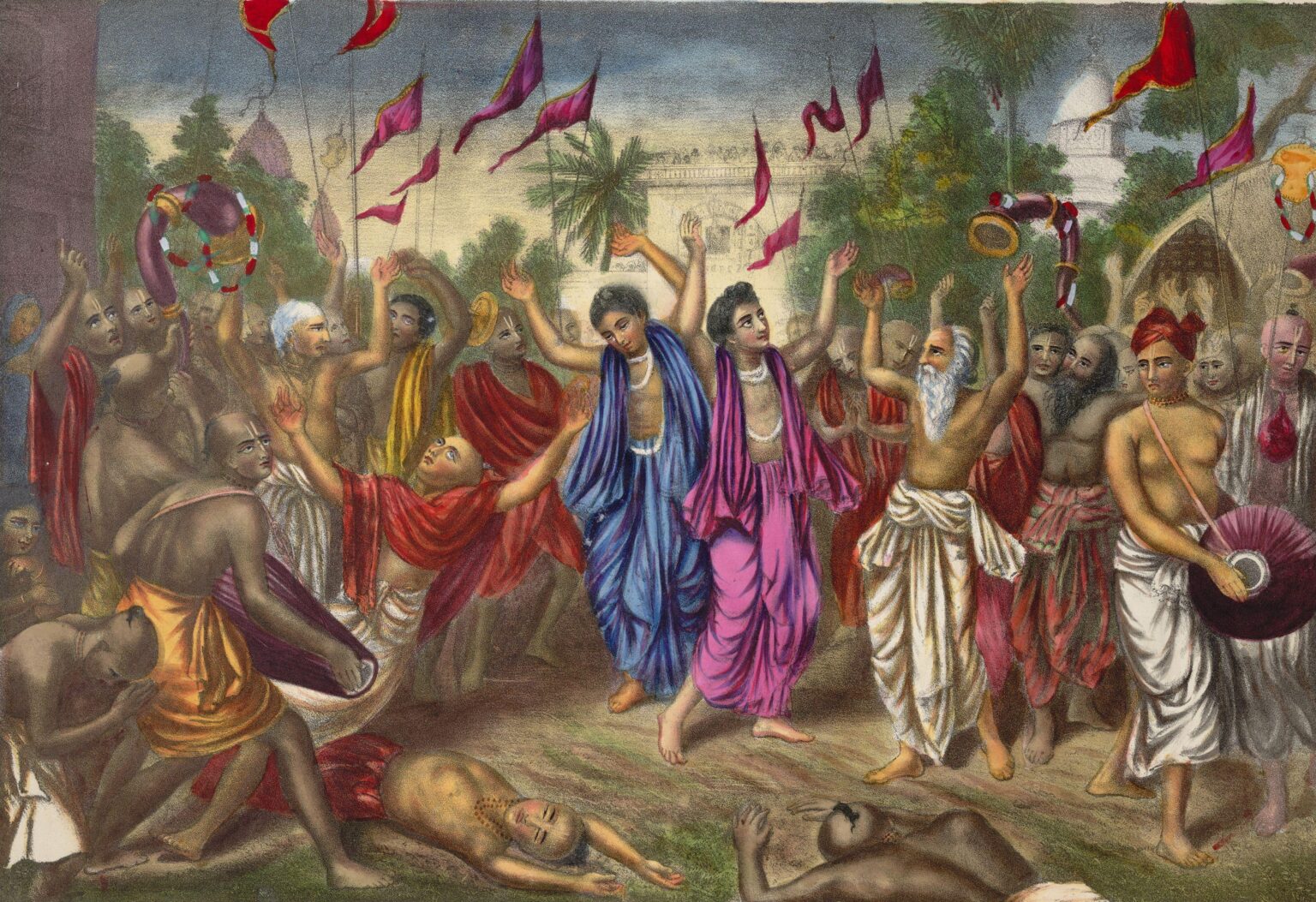
Chaitanya Mahaprabhu was a 16th-century saint from Bengal. He was known for his ecstatic devotion to Lord Krishna. His followers would often witness him dancing for hours on end, lost in divine rapture. Chaitanya’s teachings emphasized the importance of congregational chanting and dancing as a means to experience the love and bliss of God.
The Legacy of the Bhakti Movement
The Bhakti movement left an enduring legacy on Hinduism. It inspired countless devotees to embrace the path of love and devotion, and it provided a common spiritual ground for people from all walks of life. The stories and teachings of the Bhakti saints continue to inspire Hindus and non-Hindus alike, reminding us of the transformative power of selfless love and the boundless nature of the divine.## [The Bhakti Movement: Stories Of Love And Devotion In Hinduism]
Executive Summary
The Bhakti Movement, a significant spiritual revival in Hinduism, emphasized the power of love and devotion in the path to divine realization. This movement, which emerged during the medieval period in India, profoundly impacted Hindu thought and practice and continues to inspire spiritual seekers to this day.
Introduction
The Bhakti Movement arose during a time of great social and political upheaval in India. As traditional structures and beliefs came into question, many sought solace and meaning in a more personal and intimate connection with the divine. The Bhakti saints, known as bhaktas, rejected the rigid rituals and dogma of the time, emphasizing instead the transformative power of love and devotion.
FAQs
- What is the main principle of the Bhakti Movement?
- Love and devotion as the primary path to spiritual liberation
- Who were some of the prominent Bhakti saints?
- Chaitanya Mahaprabhu, Mirabai, Tulsidas, Ramananda, Namdev
- How did the Bhakti Movement influence Indian culture?
- It popularized devotional singing, poetry, and dance; influenced literature, art, and music; fostered communal harmony and social reforms
Subtopics
1. The Importance of Personal Devotion
- The bhaktas believed in a direct and intimate connection with God through love and devotion.
- They rejected the authority of intermediaries and emphasized the personal experience of the divine.
- They practiced spiritual disciplines such as chanting, singing, and meditation to cultivate a deep sense of devotion.
2. The Role of Love and Divine Love
- Love was seen as the most potent force in the universe, capable of overcoming all obstacles.
- Bhaktas expressed their love for God through devotional poetry, music, and dance.
- They believed that divine love could transform the heart and encompass all beings.
3. The Emphasis on Inclusion and Equality
- The Bhakti Movement challenged the caste system and social hierarchies of the time.
- It welcomed people from all backgrounds and emphasized the unity of all souls.
- Bhaktas often criticized social injustices and advocated for compassion and equality.
4. The Development of Devotional Literature and Music
- The Bhakti Movement gave rise to a rich body of devotional literature and music.
- Saints like Tulsidas composed the Ramayana in the vernacular, making it accessible to a wider audience.
- Devotional songs known as bhajans became immensely popular and are still sung today.
5. The Influence on Indian Art and Culture
- The Bhakti Movement inspired a flourishing of Indian art and culture.
- Artists depicted the lives and teachings of the bhaktas in paintings, sculptures, and temple carvings.
- Devotional music and dance became an integral part of Indian cultural heritage.
Conclusion
The Bhakti Movement left an enduring legacy on Hinduism and Indian society as a whole. Its emphasis on love, devotion, and inclusivity has inspired generations of spiritual seekers. The stories of the Bhakti saints continue to be told and celebrated, reminding us of the transformative power of the divine and the importance of living a life of love and devotion.
Keyword Tags
- Bhakti Movement
- Love and Devotion
- Personal Devotion
- Inclusion and Equality
- Devotional Literature and Music