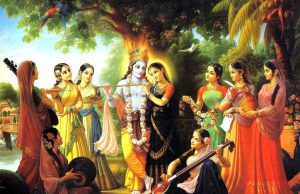
Religious Poetry: A Journey of Spiritual Expression and Devotion
Introduction
Religious poetry is a literary genre that explores spiritual themes, exploring the relationship between humanity and the divine. It has been a powerful tool for expressing religious beliefs, emotions, and experiences throughout history. In this article, we delve into the world of religious poetry, exploring its origins, types, and impact on human spirituality.
The Origins of Religious Poetry
The origins of religious poetry can be traced back to ancient civilizations, where oral traditions and written texts were used to convey religious beliefs and stories. In ancient Egypt, for example, religious hymns and prayers were inscribed on temple walls and papyrus scrolls. In India, the Vedas, a collection of sacred texts, contain hymns that express devotion to various deities.
Types of Religious Poetry
Religious poetry encompasses a wide range of forms and styles, including:
- Hymns: Songs of praise and adoration to God or deities.
- Psalms: Religious songs or poems, often expressing personal devotion or seeking God’s favor.
- Spirituals: Songs with religious themes that emerged from the African-American experience.
- Liturgical poetry: Poetry used in religious ceremonies and rituals.
- Mystical poetry: Poetry that explores the mystical experiences of communion with the divine.
The Impact of Religious Poetry
Religious poetry has had a profound impact on human spirituality and culture. It has:
- Inspired and nurtured faith: Religious poetry has provided sustenance and inspiration for believers throughout history. It articulates and strengthens religious beliefs, fostering a sense of connection to the divine.
- Preserved religious traditions: Religious poetry has served as a means of preserving and transmitting religious traditions from one generation to another. It encapsulates the beliefs, values, and practices of religious communities.
- Promoted spiritual growth: Religious poetry can encourage spiritual growth and reflection. It invites readers to contemplate their relationship with God, question their beliefs, and deepen their understanding of the divine.
The Bhakti Movement: A Case Study
The Bhakti movement, which flourished in India from the 13th to the 17th centuries, is a notable example of the power of religious poetry. Bhakti poets, such as Mirabai and Kabir, wrote devotional poems that expressed their intense love and devotion for God. Their poetry became a means of personal communion with the divine and inspired a widespread religious revival.
Conclusion
Religious poetry continues to be a vibrant and influential genre in contemporary society. It offers a window into the spiritual experiences of individuals and communities and serves as a source of inspiration, reflection, and growth. Whether ancient or modern, religious poetry connects us to the divine and enriches our understanding of the human spirit.
Secondary Keywords:
- Sacred Poetry
- Devotional Poetry
- Spiritual Verses
- Religious Hymns
- Mystical Literature