The Enigmatic Asuras: Unveiling the Secrets of Demigods in Hindu Mythology
In the vibrant tapestry of Hindu mythology, the enigmatic Asuras occupy an intriguing position. These enigmatic beings, often portrayed as adversaries of the gods, have captivated the imagination of storytellers and scholars for centuries. Embark on a captivating journey as we delve into the enigmatic world of the Asuras, unraveling their origins, their formidable powers, and their multifaceted roles in Hindu mythology.
Who are the Asuras?
The Asuras are a complex and multifaceted group of beings who occupy a unique position within the Hindu pantheon. Dwelling in the celestial realm of Patala, they are neither fully divine nor entirely mortal. Their very name, Asura, connotes “non-gods” or “demigods,” reflecting their ambiguous nature.
Origins of the Asuras
The origins of the Asuras are shrouded in ancient legends and varying interpretations. According to one myth, they were created by Brahma, the creator god, from his own breath. Another narrative suggests that they emerged from the churning of the cosmic ocean, born alongside the gods.
Powers and Abilities of the Asuras
Asuras possess immense power and formidable abilities. Known for their physical strength, they wield magical weapons and command supernatural forces. One of their most characteristic traits is their mastery of Maya, the power of illusion and deception.
Types of Asuras
The Asura race is diverse and includes numerous types of beings, each with its unique characteristics. Among the most prominent are:
- Daityas: The sons of Diti, the mother of the Asuras.
- Danavas: The descendants of Danu, considered to be more powerful than the Daityas.
- Nivatakavachas: Asuras with impenetrable armor.
- Kalakhanjas: Asuras with the ability to destroy time.
- Andhakas: Asuras who are blind and rely on their sense of touch.
Asuras and the Devas
The relationship between the Asuras and the Devas, the gods of Hindu mythology, is a complex and often adversarial one. Both groups vie for power and control, leading to numerous cosmic battles. The Asuras are frequently depicted as disruptive forces, challenging the authority of the gods and disrupting their celestial order.
Asuras in Literature and Mythology
The Asuras have played a significant role in Hindu literature and mythology. They appear in numerous epic tales, including the Mahabharata and the Ramayana. In these narratives, they are often portrayed as powerful and cunning adversaries, but they also possess moments of heroism and tragedy.
Cultural Significance of the Asuras
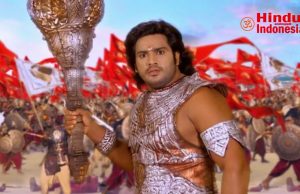
Beyond their mythological significance, the Asuras have left a lasting cultural imprint on India. Their symbols, such as the Gada (mace), continue to be used in religious and artistic traditions. The stories of their battles with the gods have influenced countless works of art, literature, and drama.
Conclusion
The Asuras remain a fascinating and enigmatic presence in Hindu mythology. Their complex nature, immense powers, and troubled relationship with the gods have captivated the imagination for centuries. As we continue to explore the rich tapestry of Hindu traditions, the Asuras will undoubtedly continue to inspire and challenge us with their enigmatic allure.
Secondary Keywords
- Asuras
- Demigods
- Hindu Mythology
- Gada
- Maya