====== Free Radicals ======
Free Radicals: The Hidden Culprits Damaging Your Health
Introduction
Free radicals are unstable molecules that can damage cells and DNA, leading to various health problems. Understanding free radicals and their impact on our bodies is crucial for maintaining optimal health and wellness.
What are Free Radicals?
Free radicals are highly reactive molecules with unpaired electrons. This instability drives them to seek other molecules to balance themselves, often causing damage to cellular structures and components.
Sources of Free Radicals
Free radicals are produced naturally in the body as a byproduct of various processes, including:
- Cellular metabolism: Energy production within cells can generate free radicals.
- Inflammation: The immune system’s response to injury or infection can produce free radicals.
- Sunlight (UV radiation): Exposure to sunlight triggers free radical formation in the skin.
- Tobacco smoke: Cigarettes and other tobacco products emit numerous free radicals.
- Environmental pollutants: Air pollution, heavy metals, and certain chemicals can contribute to free radical production.
Types of Free Radicals
There are many types of free radicals, including:
- Reactive oxygen species (ROS): Oxygen-based free radicals, such as superoxide and hydrogen peroxide.
- Reactive nitrogen species (RNS): Nitrogen-based free radicals, such as nitric oxide and peroxynitrite.
- Hydroxyl radical: One of the most damaging free radicals, it can react with almost any molecule in the body.
Impact of Free Radicals on Health
Excessive free radical production can lead to oxidative stress, a condition where antioxidants are overwhelmed and cannot neutralize all free radicals. Oxidative stress contributes to numerous health problems, including:
- Cellular damage: Free radicals can damage cell membranes, proteins, and DNA.
- Chronic diseases: Oxidative stress has been linked to heart disease, stroke, Alzheimer’s disease, and cancer.
- Aging: Free radical damage accumulates over time, contributing to age-related decline in health.
Protecting Against Free Radicals
While free radicals are an inevitable part of life, there are ways to minimize their harmful effects:
- Antioxidants: These substances, such as vitamin C, vitamin E, and beta-carotene, neutralize free radicals and prevent cellular damage.
- Anti-inflammatory diet: Consuming foods rich in antioxidants, omega-3 fatty acids, and fiber can reduce inflammation and free radical production.
- Exercise: Regular exercise stimulates antioxidant defenses and reduces oxidative stress.
- Avoidance of harmful substances: Limiting exposure to tobacco smoke, pollution, and excessive sunlight can prevent free radical exposure.
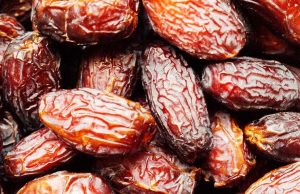
The Miracle of Dates (Palm Date) in Fighting Free Radicals
Dates, a fruit native to the Middle East, are an excellent source of antioxidants, particularly phenolics and flavonoids. These compounds have been shown to:
- Neutralize free radicals: Scavenge and destroy free radicals, reducing oxidative stress.
- Protect cellular structures: Shield cell membranes, proteins, and DNA from free radical damage.
- Reduce inflammation: Inhibit inflammatory processes that produce free radicals.
Conclusion
Free radicals are a significant threat to our health, contributing to various diseases and aging. Understanding free radicals and taking protective measures is essential for maintaining optimal well-being. By incorporating antioxidants into our diet, exercising regularly, and avoiding harmful substances, we can mitigate the harmful effects of free radicals. The inclusion of dates, a rich source of antioxidants, in our daily regimen can further enhance our protection against these damaging molecules.
Secondary Keywords:
- Antioxidants
- Oxidative stress
- Inflammation
- Anti-inflammatory diet
- Cellular damage