Hindu Deities: A Divine Tapestry of Gods and Goddesses
Unveiling the Divine Realm of Hinduism
Hinduism, with its ancient roots and profound spiritual traditions, boasts a vast pantheon of deities, each embodying unique aspects of the divine. These deities play pivotal roles in shaping the beliefs, rituals, and mythology of Hinduism, offering a glimpse into the multifaceted nature of the Hindu cosmos.
Understanding the Concept of Hindu Deities
Hindu deities are not merely abstract figures but living entities who interact with the world and its inhabitants. They are believed to possess immense power, wisdom, and compassion, guiding devotees through life’s challenges and bestowing blessings upon them. The concept of Hindu deities is grounded in the belief that the divine manifests itself in countless forms, each representing a specific aspect of reality.
The Trimurti: The Holy Trinity
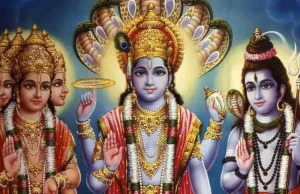
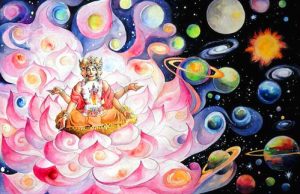
The Trimurti, composed of Brahma, Vishnu, and Shiva, forms the core of the Hindu trinity. Brahma, the creator, brings forth the universe from the cosmic waters. Vishnu, the preserver, sustains and protects the cosmos, while Shiva, the destroyer, transforms and regenerates the universe. Together, these three deities represent the cyclical nature of existence, from creation through preservation to destruction and rebirth.
Major Hindu Deities and Their Roles
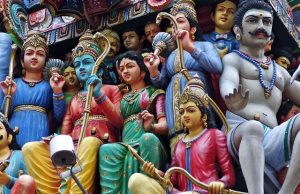
The Hindu pantheon is vast, with countless deities, each with their own unique characteristics and domains. Some of the most prominent Hindu deities include:
- Brahma: The creator of the universe and all living beings.
- Vishnu: The preserver and protector of the universe, often depicted riding a great eagle named Garuda.
- Shiva: The destroyer and regenerator of the universe, known for his fierce asceticism and mastery of the arts of dance and music.
- Lakshmi: The goddess of wealth, fortune, and prosperity.
- Saraswati: The goddess of knowledge, wisdom, music, and the arts.
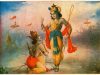
- Hanuman: The monkey god, known for his strength, loyalty, and devotion to Lord Rama.
- Ganesha: The elephant-headed god, worshipped as the remover of obstacles and the patron of wisdom and beginnings.
- Kali: The goddess of time, destruction, and transformation, often depicted as a fierce warrior.
- Krishna: The avatar of Vishnu, known for his divine love, compassion, and playful nature.
- Durga: The goddess of victory, protection, and strength, often depicted as a warrior goddess riding a tiger.
The Importance of Deities in Hindu Worship
Hindu deities play a central role in Hindu worship and rituals. Devotees offer prayers, make offerings, and perform devotional practices to honor and seek the blessings of their chosen deities. Temples dedicated to specific deities serve as centers of worship and pilgrimage, fostering a sense of community and spirituality.
Hindu Deities in Modern Times
Even in the modern era, Hindu deities continue to hold immense significance for Hindus worldwide. They are depicted in art, literature, and music, inspiring devotion, cultural identity, and a connection to the divine. Hindu deities remind us of the interconnectedness of all things and guide us on a path of spiritual growth and enlightenment.
Conclusion
The Hindu pantheon is a tapestry of divine beings, each representing a unique aspect of the Hindu cosmology. From the Trimurti to the countless other deities, Hindu deities play vital roles in shaping the beliefs, rituals, and mythology of Hinduism. Understanding these deities offers a glimpse into the vast and complex world of this ancient faith, deepening our appreciation for the richness and diversity of Hindu spiritual traditions.
Secondary Keywords:
- Hindu mythology
- Indian gods
- Hindu goddess
- Hindu beliefs
- Hindu worship
- Trimurti
- Brahma
- Vishnu
- Shiva