The Grand Indian Epics: A Journey into the Realm of Gods, Kings, and Heroes
Introduction
The rich tapestry of Indian literature is adorned with two monumental epics that have captivated generations of readers and shaped the cultural fabric of the subcontinent. These epics, the Ramayana and the Mahabharata, are not mere tales of bygone eras; they are timeless masterpieces that continue to inspire, uplift, and intrigue.
The Ramayana: A Tale of Love, Duty, and Redemption
The Ramayana narrates the story of Lord Rama, an avatar of Vishnu, the supreme god of the Hindu pantheon. Rama, a valiant prince from the legendary kingdom of Ayodhya, is unjustly exiled to the forest along with his wife, Sita, and younger brother, Lakshmana.
During their exile, Sita is abducted by the demon king Ravana of Lanka. Rama, driven by love and determination, assembles an army of monkeys and bears and wages a fierce war against Ravana to rescue his beloved. The epic battle culminates in Rama’s victory and the triumph of good over evil.
The Mahabharata: A Saga of Family Feuds and Cosmic Battles
The Mahabharata, the lengthiest epic poem in world literature, is a sprawling tale of intrigue, conflict, and the eternal struggle between good and evil. It revolves around the rivalry between two branches of the Kuru dynasty, the Pandavas and the Kauravas.
The Pandavas, led by the righteous Yudhishthira, are virtuous and deserving of the throne. The Kauravas, led by the cunning and ambitious Duryodhana, seek to deny them their rightful inheritance.
The epic culminates in the Battle of Kurukshetra, a cataclysmic war that devastates both sides and tests the limits of human endurance. The pivotal battle is a profound exploration of dharma (righteousness), karma (fate), and the nature of war.
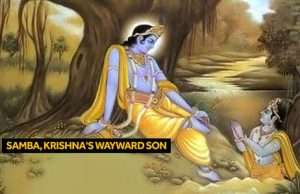
Samba, The Son of Krishna: A Lesser-Known Gem from the Mahabharata
Amidst the grandeur of the Mahabharata, there lies a lesser-known but equally intriguing tale: the story of Samba, the son of the divine hero Krishna.
Samba, known for his mischievous nature and unwavering loyalty, plays a pivotal role in the epic’s concluding act. Driven by an unquenchable desire for knowledge and adventure, he embarks on a perilous journey to acquire the Sudarshana Chakra, the legendary discus weapon of Vishnu.
Along the way, Samba encounters a cast of enigmatic characters, including celestial beings, mystical creatures, and a treacherous demon. His quest is a testament to the power of determination, the importance of self-discovery, and the indomitable spirit of youth.
The Enduring Legacy of the Indian Epics
The Ramayana and the Mahabharata have profoundly shaped Indian culture, philosophy, and spirituality. Their stories have been passed down through generations through oral traditions, plays, paintings, and literary adaptations.
The epics continue to inspire artists, writers, and filmmakers today. Their themes of love, duty, honor, and the eternal battle between good and evil resonate with audiences across cultures and generations.
Conclusion
The Indian epics, with their captivating narratives, profound insights, and timeless characters, stand as literary masterpieces that have enriched the world’s cultural heritage. From the heart-wrenching tale of Ramayana to the epic saga of the Mahabharata, these epics continue to captivate and inspire readers today.
Secondary Keywords
Indian epic, Ramayana, Mahabharata, Samba, Krishna, Sudarshana Chakra