Religion and Philosophy: Understanding the Essence of Human Existence
Introduction:
Religion and philosophy are two intertwined disciplines that have shaped human thought and understanding for centuries. They provide frameworks for comprehending the world, our place in it, and the ultimate meaning of life. From the ancient teachings of Hinduism to the modern-day quests of secular humanism, religion and philosophy have served as guides for our moral compass, intellectual inquiry, and spiritual experiences.
The Search for Meaning:
At the heart of both religion and philosophy lies the search for meaning. Human beings are inherently curious creatures, constantly seeking answers to fundamental questions: Who are we? Why are we here? What is the purpose of life? Religion often provides a structured framework for addressing these existential questions, offering beliefs, rituals, and practices that give individuals a sense of belonging and purpose. Philosophy, on the other hand, encourages critical thinking, rational inquiry, and the pursuit of knowledge as a means of understanding our place in the universe.
The Importance of Sacred Texts:
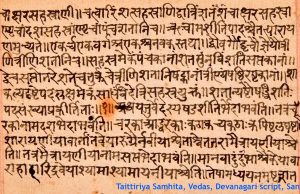
Throughout history, sacred texts have played a pivotal role in the development and dissemination of religious and philosophical ideas. These texts embody the teachings, beliefs, and practices of various faith traditions and provide a window into the minds of their authors and followers. For instance, in Hinduism, the Vedas, Upanishads, and Puranas are revered as sacred scriptures that contain profound insights into the nature of reality, the divine, and the human experience.
The Vedas: A Foundation of Knowledge
The Vedas, the oldest and most sacred texts of Hinduism, are a collection of hymns, prayers, and rituals that date back to ancient India. They are believed to be the revelations of divine beings and provide the foundational teachings for Hindu theology, philosophy, and practices. The Vedas emphasize the importance of ritual, sacrifice, and the pursuit of knowledge as a means of attaining spiritual liberation.
The Upanishads: Exploring the Self
The Upanishads are philosophical treatises that complement the Vedas and provide a deeper exploration of the nature of reality and the human self. They introduce the concept of Brahman, the ultimate reality or universal consciousness, and discuss the relationship between the individual soul (atman) and the divine. The Upanishads also emphasize the importance of meditation and self-inquiry as paths to spiritual realization.
The Puranas: Stories of Gods and Goddesses
The Puranas are a vast collection of mythological stories, legends, and historical accounts that play a significant role in Hindu religious lore. They narrate the lives and adventures of gods, goddesses, saints, and kings, providing a rich tapestry of cultural and religious traditions. The Puranas often contain allegorical stories that convey moral lessons and insights into the nature of good and evil.
The Interplay of Religion and Philosophy:
In the context of Hinduism, religion and philosophy are inextricably linked. The sacred texts of the Vedas, Upanishads, and Puranas provide a framework for both religious practices and philosophical inquiry. The rituals, beliefs, and mythology found within these texts shape the daily lives of Hindus while simultaneously inviting contemplation and reflection on the deeper questions of existence.
Conclusion:
Religion and philosophy offer invaluable insights into the human condition and the nature of reality. Through sacred texts such as the Vedas, Upanishads, and Puranas, Hinduism has preserved the wisdom and teachings of its ancient sages, providing guidance and inspiration to generations of seekers. By exploring the interplay of religion and philosophy, we gain a deeper understanding of ourselves, our place in the world, and the pursuit of a meaningful and fulfilling life.
Secondary Keywords:
- Hindu Sacred Texts
- Vedic Philosophy
- Upanishadic Wisdom
- Puranic Mythology
- Religion and Spirituality