Sacrifice: The Ultimate Act of Selflessness
The word “sacrifice” evokes a sense of profound loss and profound meaning. It is an act of giving up something of value for the benefit of others. Throughout history, countless individuals have made extraordinary sacrifices, inspiring awe and admiration. One such figure is Bhisma, the legendary warrior from the Indian epic Mahabharata. His life was marked by unwavering sacrifice, making him a timeless symbol of this noble virtue.
Understanding the Concept of Sacrifice
Sacrifice entails a voluntary act of relinquishment, driven by altruistic motives. It involves setting aside personal desires or interests for a greater purpose. The act of sacrifice can take on various forms, ranging from small gestures to monumental actions. It can be something material, such as donating money or resources, or something intangible, such as sacrificing one’s time, comfort, or even life.
The Significance of Sacrifice
Sacrifice plays a pivotal role in human societies. It fosters a sense of unity, compassion, and shared purpose. It strengthens bonds between individuals and builds a foundation for a just and harmonious world. Through sacrifice, individuals transcend their own limitations and become agents of positive change.
Types of Sacrifice
Sacrifices can be categorized into two primary types:
-
Voluntary Sacrifice: This type of sacrifice is offered willingly and without external coercion. It is motivated by a genuine desire to help others or contribute to a worthy cause.
-
Involuntary Sacrifice: This type of sacrifice is imposed upon an individual, often due to circumstances beyond their control. It may involve losing a loved one, enduring hardship, or facing adversity.
Bhisma: A Paragon of Sacrifice
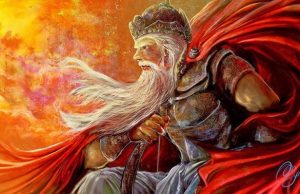
In the annals of history, Bhisma stands as an exceptional embodiment of sacrifice. As a loyal warrior and wise counselor, he dedicated his entire life to the well-being of the Kuru clan. His greatest act of sacrifice came during the Kurukshetra War, where he chose to fight against his own family in order to uphold his vow to the throne.
Despite being a legendary warrior, Bhisma refused to shed the blood of his kin. Instead, he laid down his arms and allowed the Pandavas to defeat him. This selfless act paved the way for the end of the war and brought about a new era of peace.
Lessons from Bhisma’s Sacrifice
Bhisma’s life and sacrifice offer profound lessons for us all:
-
The Power of Unconditional Love: Bhisma’s love for his family and duty inspired him to make the ultimate sacrifice. His unwavering devotion serves as a reminder of the transformative power of love.
-
The Importance of Duty: Bhisma understood the importance of fulfilling one’s responsibilities, even when it involved personal sacrifice. His unwavering commitment to his vows teaches us the value of integrity and loyalty.
-
The Nobility of Selflessness: Bhisma’s willingness to sacrifice his own life for the greater good exemplifies the true meaning of selflessness. His actions remind us that true heroism lies not in glory or conquest, but in the willingness to give of oneself for others.
Conclusion
Sacrifice is a profound act of selflessness that has the power to transform individuals, communities, and the world at large. Bhisma’s life and sacrifice stand as a lasting testament to the enduring power of this noble virtue. May his example inspire us to embrace the spirit of sacrifice and make meaningful contributions to our families, communities, and future generations.
Secondary Keywords:
- Altruism
- Unconditional love
- Duty
- Selflessness
- Heroism