
The Significance of Gita Jayanti
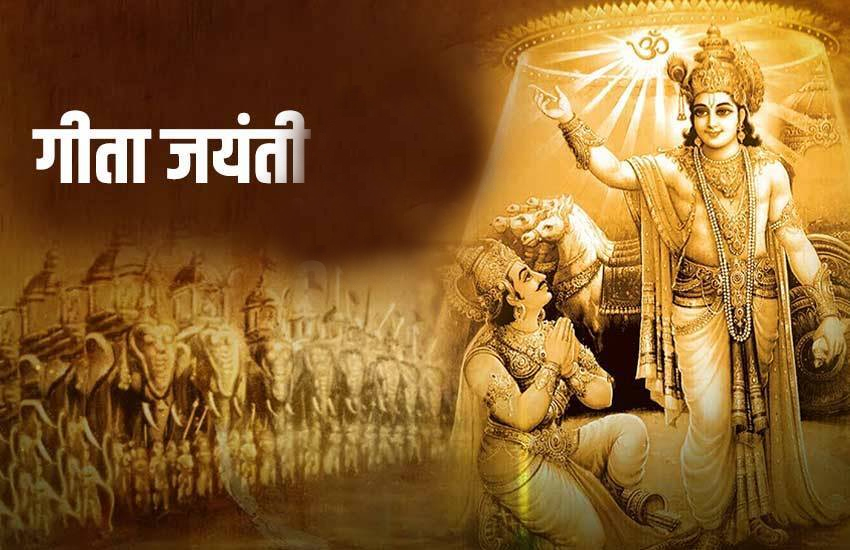
Gita Jayanti, also known as Mokshada Ekadashi, marks the auspicious day when Lord Krishna imparted the sacred knowledge of the Bhagavad Gita to Arjuna on the battlefield of Kurukshetra. This revered text, a part of the epic Mahabharata, holds immense significance in Hindu philosophy and spirituality.
Celebrating Wisdom and Teachings

Gita Jayanti is a time to celebrate and reflect upon the profound wisdom and teachings embedded within the Bhagavad Gita. These teachings provide a timeless roadmap for spiritual growth, enlightenment, and liberation.
- Dharma and Righteousness: The Gita emphasizes the importance of adhering to dharma (righteousness) in all aspects of life. It encourages individuals to act without attachment to outcomes, fulfilling their duties with integrity and compassion.
- Karma and Rebirth: The Gita explains the law of karma and the cycle of rebirth. It teaches that actions (karma) have consequences, shaping our future experiences. By aligning our actions with righteous principles, we can accumulate positive karma and progress on the path to liberation.
- Bhakti (Devotion): The Gita extols the transformative power of bhakti (devotion) to the Divine. Through devotion, we can cultivate a deep connection with God, realizing our true nature and experiencing profound peace and joy.
- Jnana (Knowledge): The Gita imparts the knowledge of the true nature of reality, known as Brahman. By understanding the ephemeral nature of the material world and the eternal, unchanging nature of the soul, we can transcend our limitations and attain liberation.
- Yoga and Meditation: The Gita promotes various forms of yoga, including karma yoga (yoga of action), bhakti yoga (yoga of devotion), and jnana yoga (yoga of knowledge). Through these practices, we can discipline our minds, purify our hearts, and connect with the Divine.
Spiritual Inspiration
Gita Jayanti serves as an opportunity for spiritual inspiration and transformation. Devotees participate in:
- Reciting the Bhagavad Gita: They gather to recite or listen to the entire text, absorbing its profound teachings.
- Offerings and Poojas: Offerings of flowers, incense, and food are made to Lord Krishna, symbolizing gratitude and devotion.
- Lectures and Discourses: Spiritual leaders deliver discourses on the significance of the Gita, interpreting its messages for modern times.
- Meditation and Chanting: Devotees engage in meditation and chant the holy name of Krishna to connect with the divine energy.
Importance for Humanity
The teachings of the Bhagavad Gita transcend religious boundaries and have influenced countless lives throughout history. Its universal wisdom provides guidance on how to navigate challenges, live a meaningful life, and ultimately achieve spiritual fulfillment. By embracing the Gita’s principles, we can create a more compassionate, just, and enlightened world.## The Significance Of Gita Jayanti: Celebrating The Wisdom And Teachings Of The Bhagavad Gita
Gita Jayanti is an auspicious occasion that celebrates the descent of the Bhagavad Gita, a sacred Hindu scripture, on earth. Observed on the Shukla Ekadashi of Margashirsha month according to the Hindu calendar, the festival commemorates the timeless teachings and profound wisdom enshrined within the Gita.
Executive Summary
The Bhagavad Gita, a timeless masterpiece of ancient Indian literature, offers invaluable insights into the nature of reality, dharma, and the path to spiritual liberation. Gita Jayanti provides an opportunity to delve into its profound teachings, reflect on its significance, and apply its principles in our daily lives.
Introduction
The Bhagavad Gita, often referred to as the “Song of God,” is a revered text in Hindu tradition. It is a dialogue between the warrior-prince Arjuna and Lord Krishna, his divine charioteer, taking place amidst the cataclysmic battle of Kurukshetra. Through this dialogue, the Gita imparts a profound understanding of the human condition, the complexities of life, and the ultimate goal of spiritual realization.
FAQs
Q: What is the significance of Gita Jayanti?
A: Gita Jayanti celebrates the divine revelation of the Bhagavad Gita to Arjuna, marking the commencement of its profound teachings on dharma, karma, and spiritual liberation.
Q: When is Gita Jayanti observed?
A: Gita Jayanti occurs on the Shukla Ekadashi of Margashirsha month, which typically falls in November or December according to the Gregorian calendar.
Q: How can we celebrate Gita Jayanti meaningfully?
A: Meaningful observances of Gita Jayanti include studying the text, reciting its verses, attending discourses by learned scholars, and reflecting on its teachings to deepen our understanding and apply them in our lives.
Subtopics
Karma: The Law of Action
- Definition: Karma refers to the principle of cause and effect, where our actions, both intentional and unintentional, have consequences.
- Types of Karma: There are three types of karma: sanchita (accumulated), prarabdha (destined), and kriyamana (current).
- Importance: Understanding karma helps us acknowledge the impact of our actions and strive for righteous behavior.
- Breaking the Cycle: Detachment from the fruits of our actions, combined with selfless service, can help break the cycle of karma.
- Free Will: Despite the law of karma, we possess free will and the power to choose our actions.
Dharma: Righteous Living
- Meaning: Dharma encompasses all aspects of righteous living, including ethical conduct, duty, and social responsibility.
- Types of Dharma: There are four main types of dharma: svadharma (individual duty), varnasrama dharma (duty based on caste and life stage), sadharana dharma (universal duty), and rajadharma (duty of rulers).
- Importance: Adhering to dharma leads to a harmonious and fulfilling life, both individually and collectively.
- Guiding Principles: Truthfulness, honesty, non-violence, compassion, and selflessness are key principles of dharma.
- Reward and Punishment: Following dharma brings contentment and spiritual progress, while neglecting it leads to suffering and negative consequences.
Bhakti: Devotion to God
- Definition: Bhakti is a path of devotion and love for the divine, as represented by Lord Krishna in the Bhagavad Gita.
- Types of Bhakti: There are nine primary forms of bhakti, including hearing, chanting, remembering, serving, worshipping, bowing, befriending, surrendering, and sacrificing.
- Importance: Bhakti purifies the heart, aligns us with the divine, and ultimately leads to liberation.
- Practice of Bhakti: Regular meditation, chanting of mantras, and selfless service are essential aspects of bhakti.
- God’s Grace: Through bhakti, we cultivate surrender and receive God’s grace, which empowers us to overcome obstacles and attain spiritual enlightenment.
Jñāna: The Path of Wisdom
- Definition: Jñāna is a path of knowledge and self-realization, seeking to understand the true nature of reality.
- Methods of Jñāna: Study of scriptures, philosophical inquiry, introspection, and meditation are key methods of jñāna.
- Importance: Jñāna dispels ignorance, unveils the interconnectedness of all things, and leads to liberation from the cycle of birth and death.
- Intellectual Humility: Jñāna requires an open mind, a willingness to question assumptions, and a recognition of the limitations of our knowledge.
- The Ultimate Truth: Jñāna culminates in the realization of Brahman, the ultimate reality, which transcends all dualities and manifests as both the individual soul and the universal consciousness.
Moksha: Liberation from Suffering
- Definition: Moksha is the ultimate goal of the Bhagavad Gita, referring to the liberation from all forms of suffering and the attainment of eternal bliss.
- Path to Moksha: Selfless service, adherence to dharma, and the practice of jñāna and bhakti are pathways to moksha.
- Breaking the Cycle: Moksha breaks the cycle of birth, death, and rebirth, granting eternal freedom and fulfillment.
- Qualities of a Liberated Being: Those who attain moksha are free from attachments, desires, and the limitations of the physical world.
- Union with God: Moksha is the ultimate union with the divine, where the individual soul merges with the universal consciousness and experiences unending bliss.
Conclusion
The Bhagavad Gita is a timeless treasure that continues to inspire and guide seekers of truth and spiritual liberation. Gita Jayanti is a poignant reminder of its profound teachings and an opportunity to immerse ourselves in its wisdom. By studying, reflecting on, and practicing the principles enshrined within the Gita, we can cultivate a life of purpose, meaning, and enduring contentment.
Keywords
- Bhagavad Gita
- Gita Jayanti
- Karma
- Dharma
- Bhakti