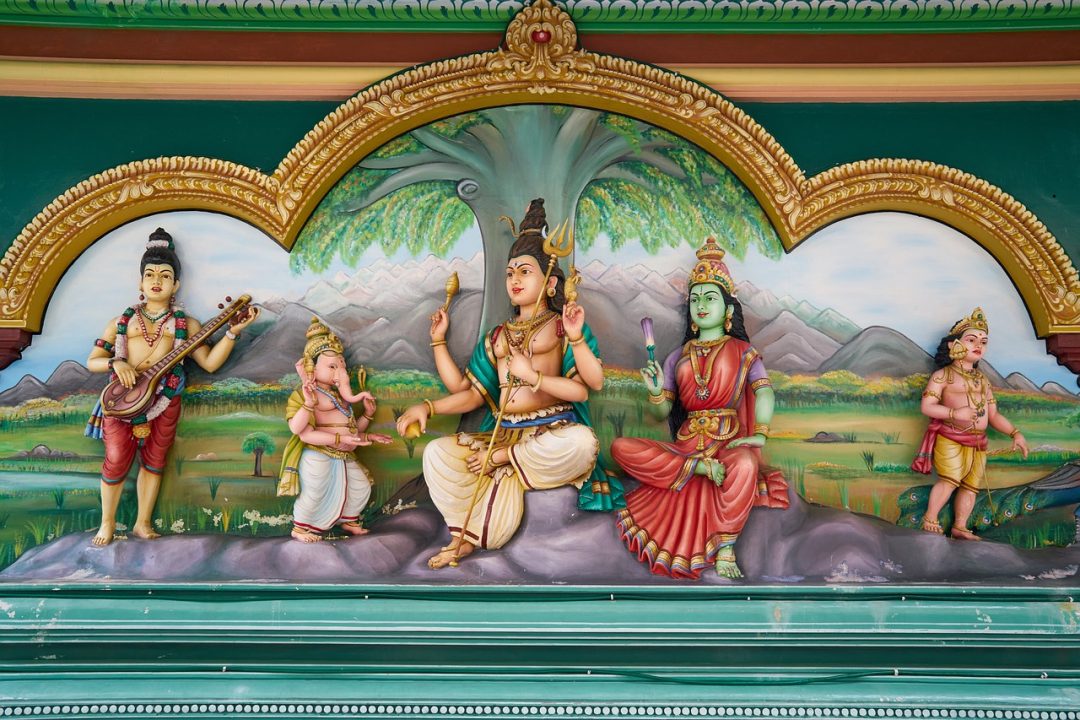
In the vast tapestry of Hinduism, one thread that runs through all its diverse practices and beliefs is the concept of Bhakti. Bhakti, which translates to devotion or love for the divine, is considered one of the most important paths to spiritual realization in Hindu philosophy. This article will delve into the significance of Bhakti in Hinduism, exploring its roots, practices, and impact on the lives of devotees.
Origins of Bhakti in Hinduism
The concept of Bhakti can be traced back to the ancient scriptures of Hinduism, particularly the Bhagavad Gita and the Bhagavata Purana. These texts emphasize the importance of developing a personal relationship with the divine through love and devotion. Bhakti is seen as a powerful force that can lead individuals towards liberation (moksha) from the cycle of birth and death (samsara).
Types of Bhakti Practices
Bhakti manifests in various forms within Hinduism, ranging from simple acts of devotion like prayer and worship to more elaborate rituals and ceremonies. Some devotees express their Bhakti through singing devotional songs (bhajans) or participating in communal gatherings (satsangs). Others engage in selfless service (seva) as a way to demonstrate their love for the divine.
The Role of Bhakti in Daily Life
For many Hindus, Bhakti is not just a religious practice but a way of life. Devotees often start their day with prayers and offerings to their chosen deity, seeking blessings for health, prosperity, and protection. Throughout the day, they may engage in chanting mantras, reading sacred texts, or performing acts of charity as expressions of their devotion.
Bhakti and Social Harmony
One of the unique aspects of Bhakti is its ability to transcend social barriers and unite people from diverse backgrounds. In the practice of Bhakti, caste, gender, or social status hold no significance; all are equal in the eyes of the divine. This inclusive nature of Bhakti has played a significant role in promoting social harmony and unity within Hindu communities.
Bhakti as a Path to Liberation
Ultimately, the goal of Bhakti is to cultivate a deep and intimate connection with the divine, leading to spiritual enlightenment and liberation. Through unwavering devotion and love, devotees seek to dissolve their ego and merge with the divine consciousness. This union (yoga) is believed to bring about a state of eternal bliss and freedom from the cycle of rebirth.
Conclusion
In conclusion, Bhakti stands as a cornerstone of Hindu spirituality, offering devotees a direct and personal path to the divine. Through acts of love, devotion, and surrender, practitioners of Bhakti seek to transcend their individual selves and merge with the universal consciousness. In a world filled with distractions and challenges, the practice of Bhakti provides solace, guidance, and ultimately, a pathway to inner peace and fulfillment.