Soot on the ceiling. Smoke stinging the eyes. That distinct smell of melted brass, spent wicks, and clarified butter lingering in the hallway at 2:00 AM. Every year, households rush to stock up on clay diyas, cheap imported tealights, and plastic fairy lights, completely missing the mechanical reality of what we are actually doing. We are dealing with Agni. The physical and metaphysical force of fire.
In our field audits of home shrines and community celebrations, people treat fire like an ambient mood light. Big mistake. Agni isn’t an interior design choice; it is the fundamental transformative agent in Vedic tradition. If your ritual setup is sloppy, if your ghee is cut with vegetable oil, or if your havan kund is cracking under thermal shock, the entire operation fails on a practical level. Let’s strip away the modern commercial gloss and look at the raw mechanics of honoring Agni during Diwali.
- Ditch cheap paraffin wax tealights; they release petroleum soot that coats your freshly painted Diwali walls. Stick to pure brass diyas and cow’s ghee or cold-pressed sesame oil.
- A proper Havan Kund requires thermal insulation. Setting a blazing fire directly on a thin marble floor or cheap plastic table will crack the surface or start a real structural fire.
- Agni ritual precision matters: fuel-to-oxygen ratio dictates whether your offering burns completely or smolders in acrid smoke.
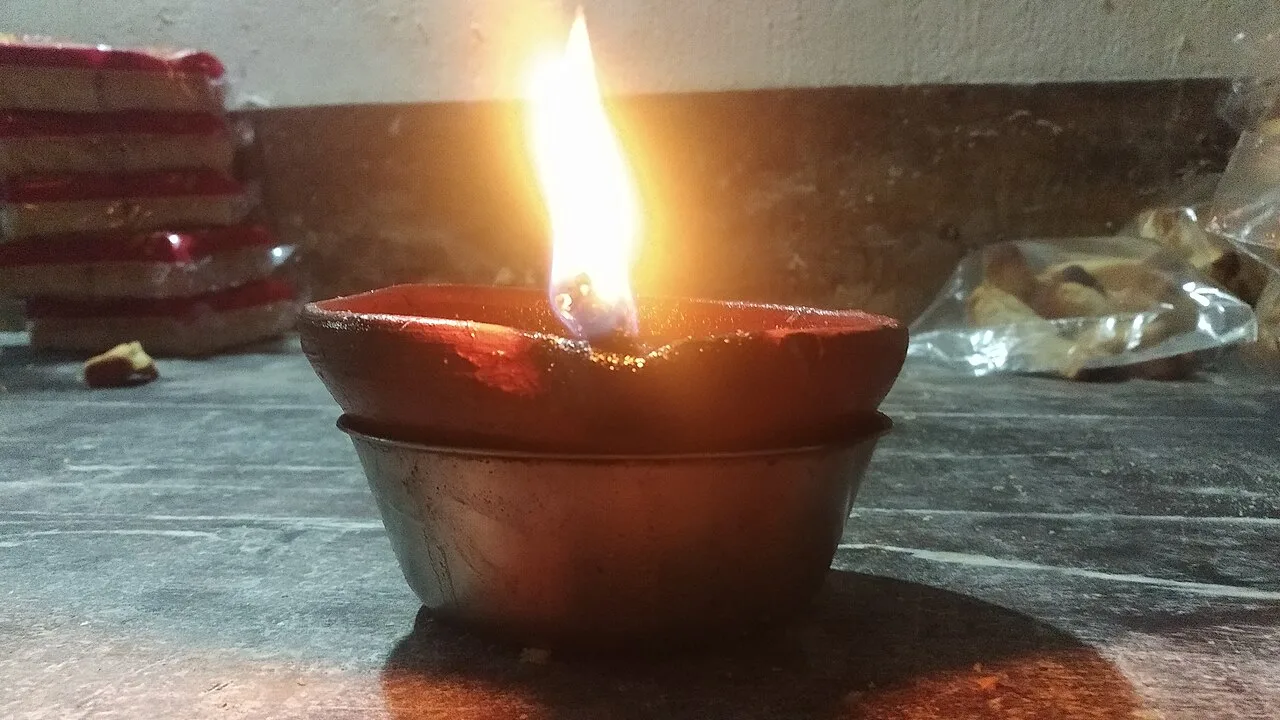
The Anatomy of a Proper Diya Setup
Walk into ten different homes on Diwali night and you will see floating plastic cups with synthetic wicks, half-lit diyas drowning in watery oil, and soot-blackened corners. Not quite. The ritual of lighting the lamp requires deliberate physical inputs.
Here is the cold math of a traditional diya:
| Element | Subpar Practice | Practitioner Standard |
|---|---|---|
| Fuel Base | Adulterated mustard oil or chemical paraffin wax | Pure cow’s ghee (Bilona method) or high-grade sesame oil |
| Wick Quality | Loose synthetic threads that melt and clump | Hand-rolled raw cotton immersed completely in fuel |
| Vessel Material | Thin terracotta that leaks oil through porous walls | Glazed terracotta, heavy brass, or copper containers |
When you prep the wick, make sure the base rests firmly against the bottom of the vessel. If the wick floats unanchored, it drifts, sputters, and dies out right in the middle of your Lakshmi Puja. That is not an omen; it’s basic fluid dynamics.
Executing the Havan: Beyond the Smoke and Mirrors
If you are stepping up from simple diyas to an actual home fire ritual (Havan/Homam) during Diwali, you are introducing sustained thermal energy into an enclosed residential space. We see homeowners dumping entire bags of low-grade wood chips and wet herbs into a cold copper kund, dumping half a bottle of synthetic camphor on top, and wondering why the living room looks like a forest fire.
Stop. Build your fire systematically:
- The Foundation: Clean the copper or brass havan kund thoroughly. Line the base with clean dry sand or ash to distribute heat evenly.
- Kindling: Use properly dried mango wood sticks cut to uniform lengths. No green wood, no treated lumber scraps, no plywood offcuts.
- Ignition: Use natural camphor blocks. Avoid chemical firelighters that leave a petrochemical stench.
- The Offering: Feed the fire in small, consistent increments using pure ghee and specified samagri. Do not choke the flame with a massive dump of damp herbs.
Agni accepts the offering only when the combustion is complete. If your fire is smoking black, your fuel is too damp or your oxygen flow is blocked. Fix the ventilation before you chant another mantra.
Purification and the Energetics of Space
Diwali cleaning is often treated as a seasonal chore involving bleach and old toothbrushes. But in the traditional framework, cleaning is preparation for Agni. Fire exposes every hidden defect in a room.
When you carry a lit camphor lamp or a multi-wick brass deepam through the house during the evening aarti, you are literally auditing the air quality and stagnant corners of your home. Drafts show you where window seals are failing. Smoke accumulation highlights areas with poor ventilation. Address these physical vulnerabilities first.
Don’t fall for the trap of buying mass-produced ritual kits wrapped in shiny cellophane from discount bins. Take twenty minutes to clean your brassware with tamarind paste and salt. Hand-roll your cotton wicks. Measure your oil. The friction of preparation is part of the discipline.
Frequently Asked Questions
Why is Agni worship central to Diwali rituals?
Agni represents divine transformation, illumination, and the removal of spiritual darkness. In Hindu tradition, invoking Agni through fire rituals seals our intentions, purifies the ritual space, and honors the primordial witness of our offerings.
What are the essential elements needed for an Agni ritual at home?
You need a stable copper or brass vessel (havankund), pure cow’s ghee, dried mango wood or specific samagri (herbal mixture), camphor, and fresh flowers. Safety and cleanliness of the ritual space are non-negotiable.
How do diyas connect to the worship of Agni?
Diyas are micro-manifestations of Agni. Lighting clay lamps during Diwali is not merely decorative; it is a deliberate act of inviting the transformative and protective energy of fire into every corner of the household.
Can anyone perform a traditional fire ritual during Diwali?
Yes, basic lamp lighting and simple household offerings can be done by anyone with proper reverence. However, elaborate homam or havan ceremonies often require specific mantras and structured procedures usually guided by a priest.